Luxor
& Aswan A Nile essay, from the Valley of the Kings to the blue villages of Nubia
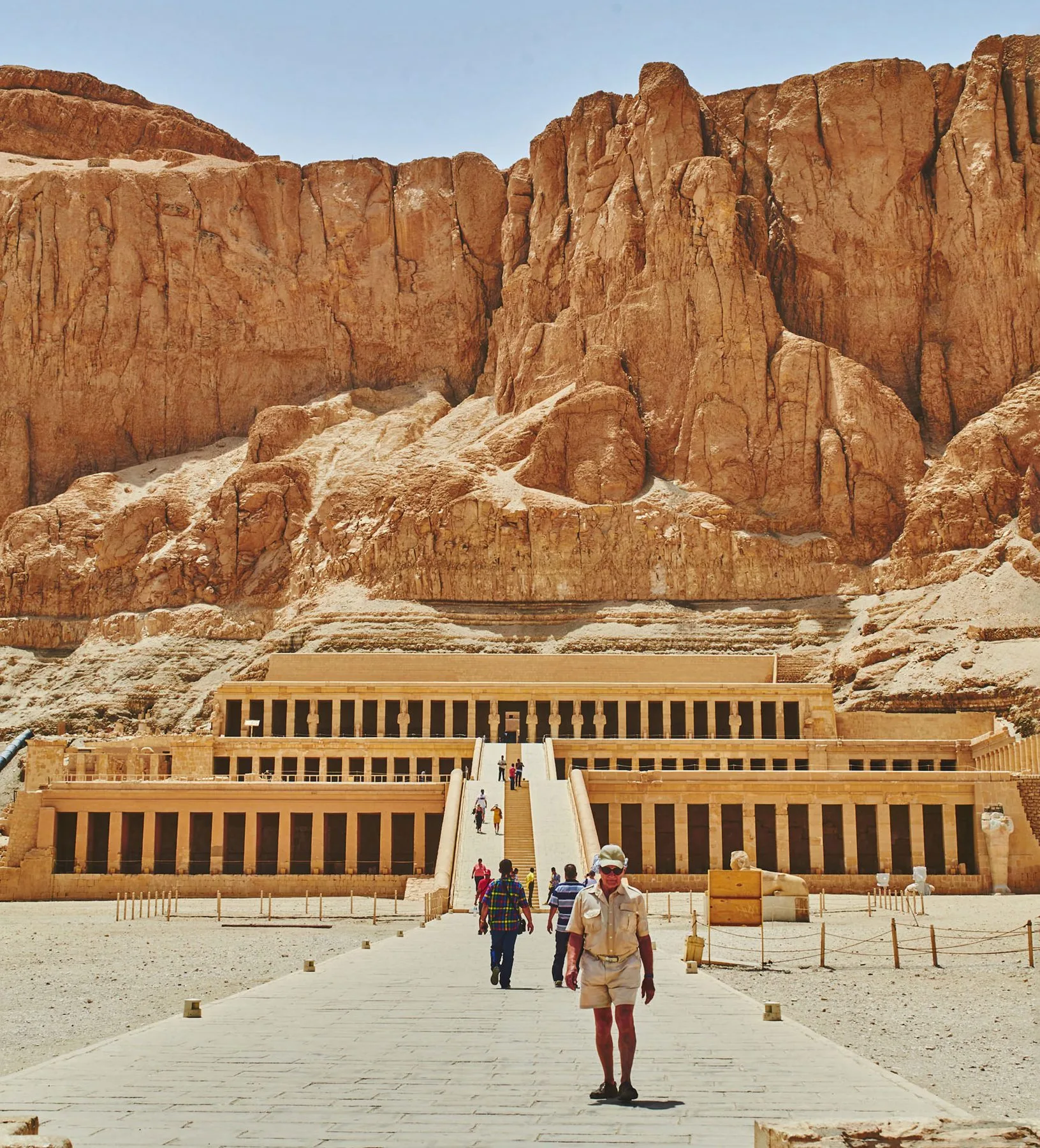
Between Luxor and Aswan the Nile does something it does nowhere else: it turns a thread of desert into a corridor of temples, and the corridor of temples into a country. This is Upper Egypt, Thebes of the pharaohs, where Hatshepsut’s terraces climb the cliffs of the west bank, Karnak stands like a stone forest still holding up the sky, and the river runs south until the sand finally wins and pours straight into the water at Aswan.
This is not a monuments checklist. It is a record of a group of AIESEC exchange students meeting Egypt for the first time, the dawn balloon over the Valley of the Kings, the felucca drifting nowhere in particular, alabaster dust and the smell of jasmine oil, and the painted Nubian village where the trip finally exhales. The temples are four thousand years old. Everything else happened once, to us, in a week.
The Road South
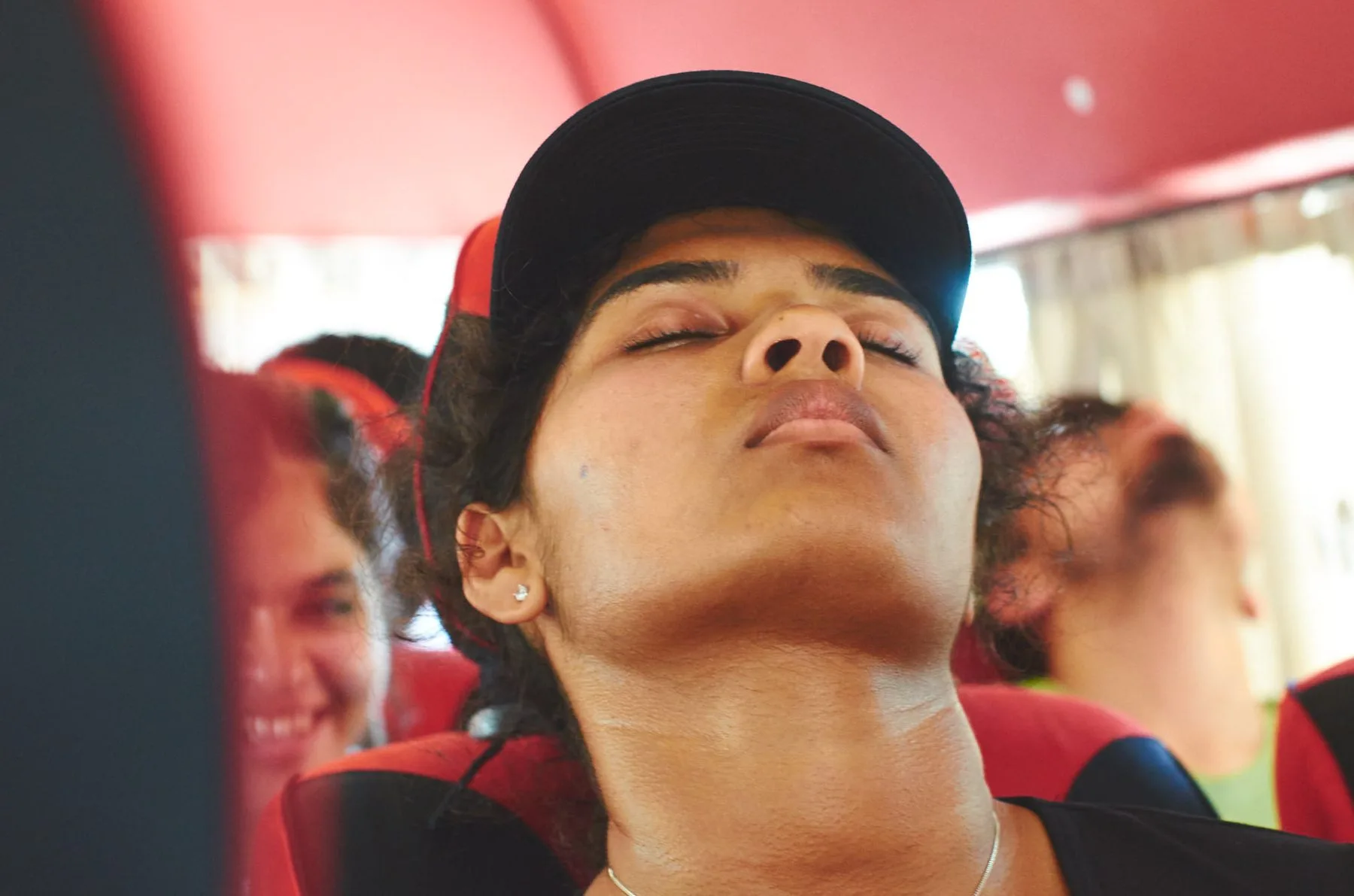
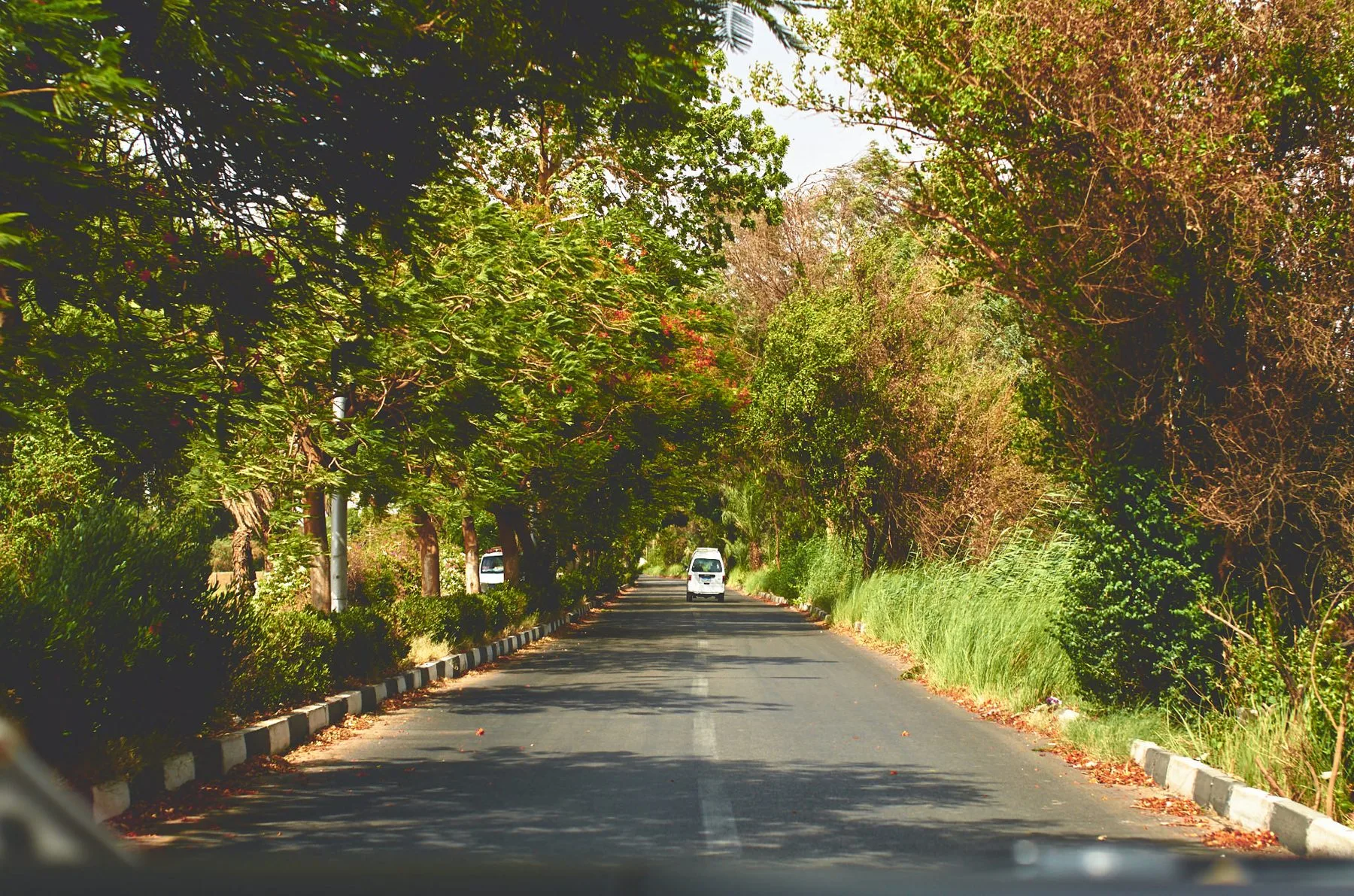
Egypt arrives through a bus window first, green fields, a blue house, a friend asleep on your shoulder. The temples can wait; the country cannot.


The City of the Dead
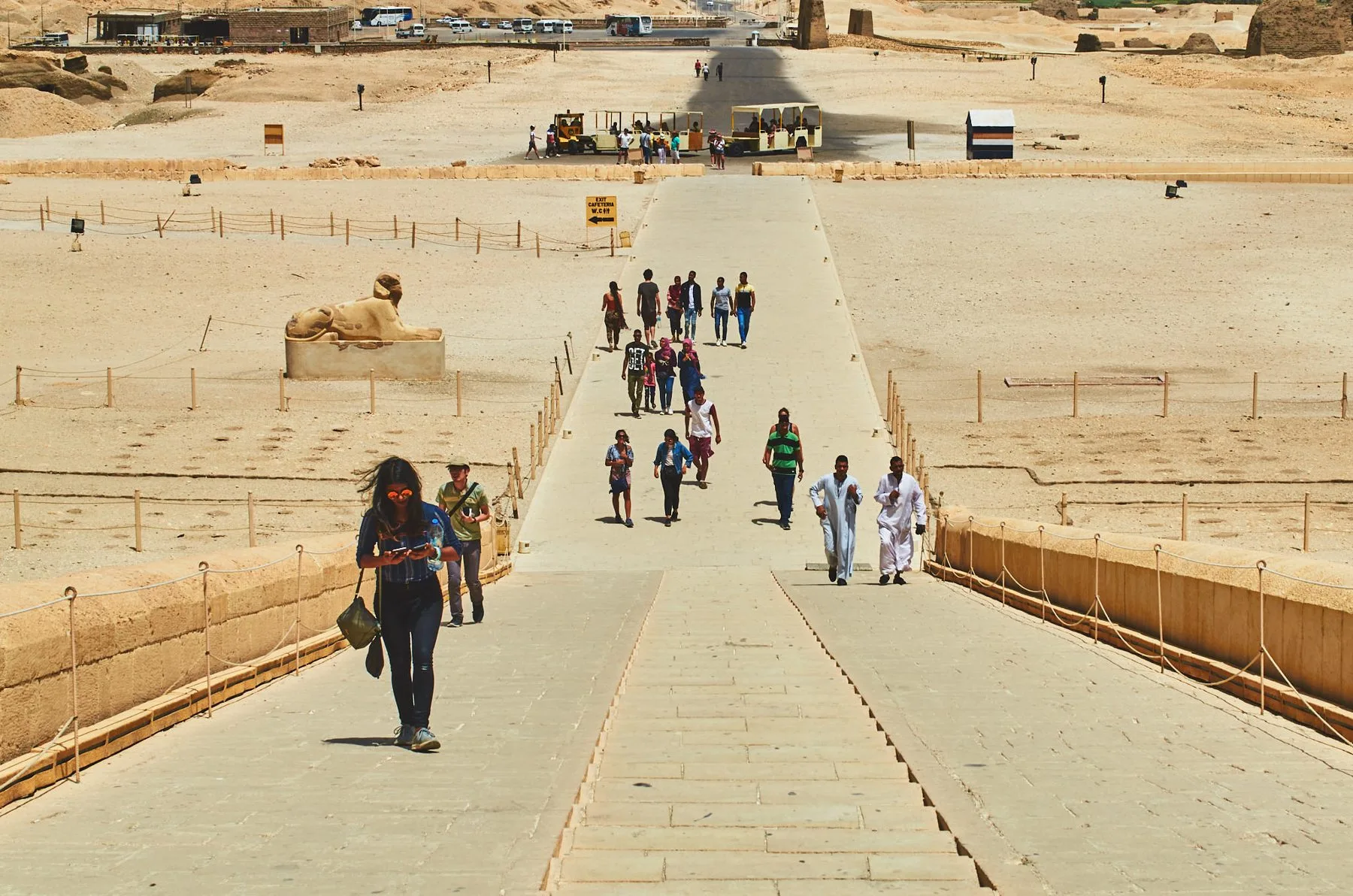
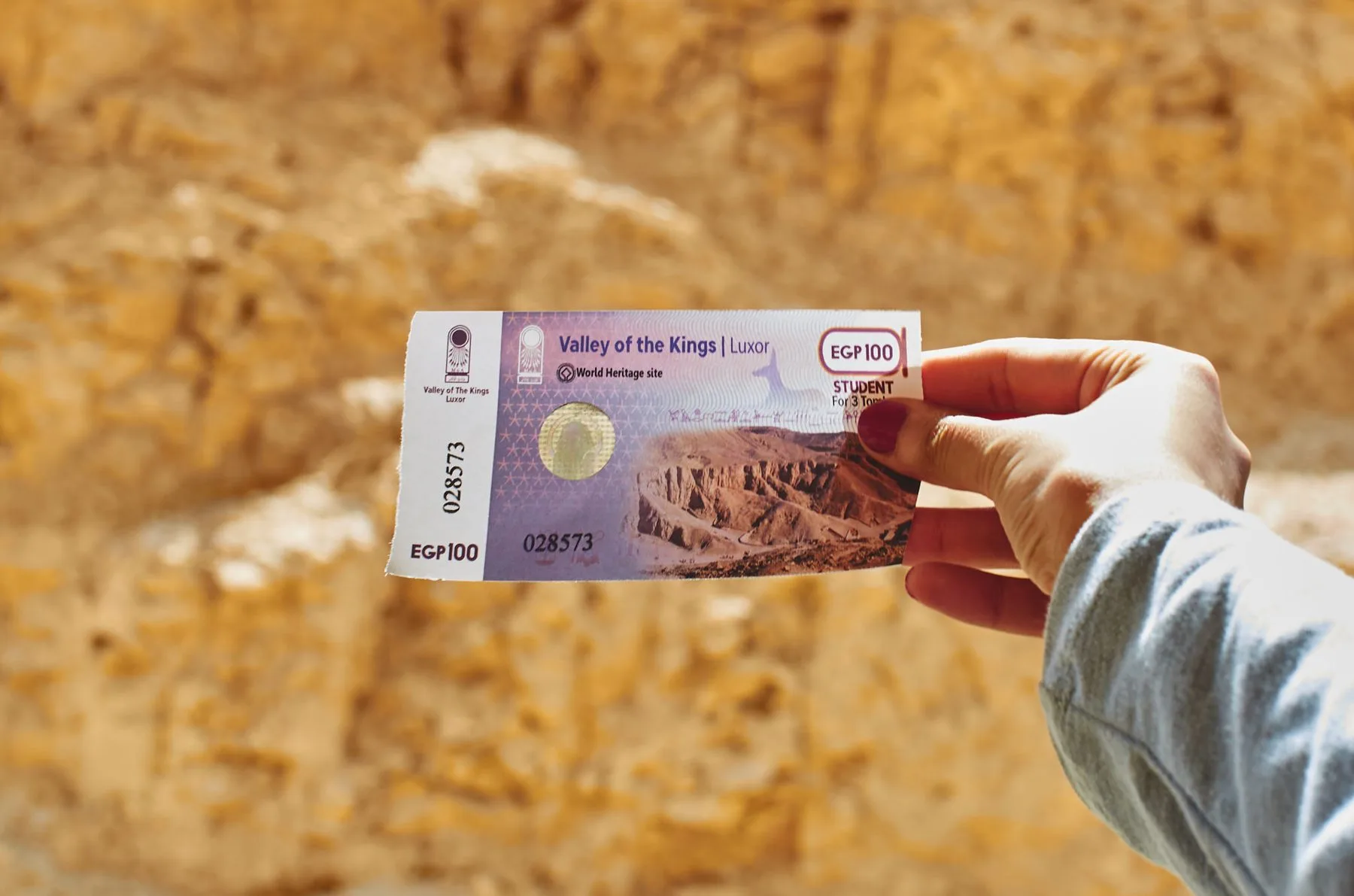
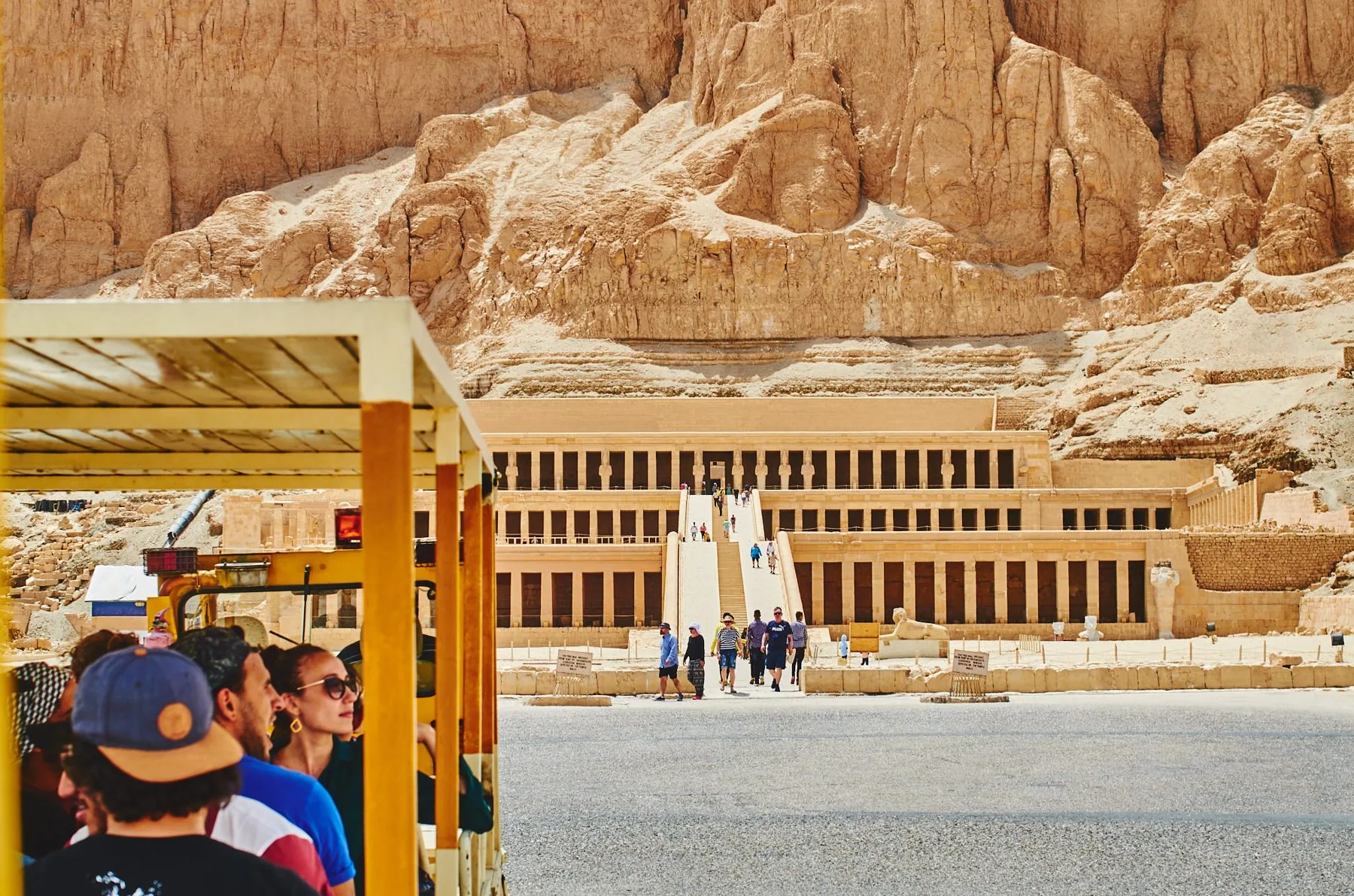
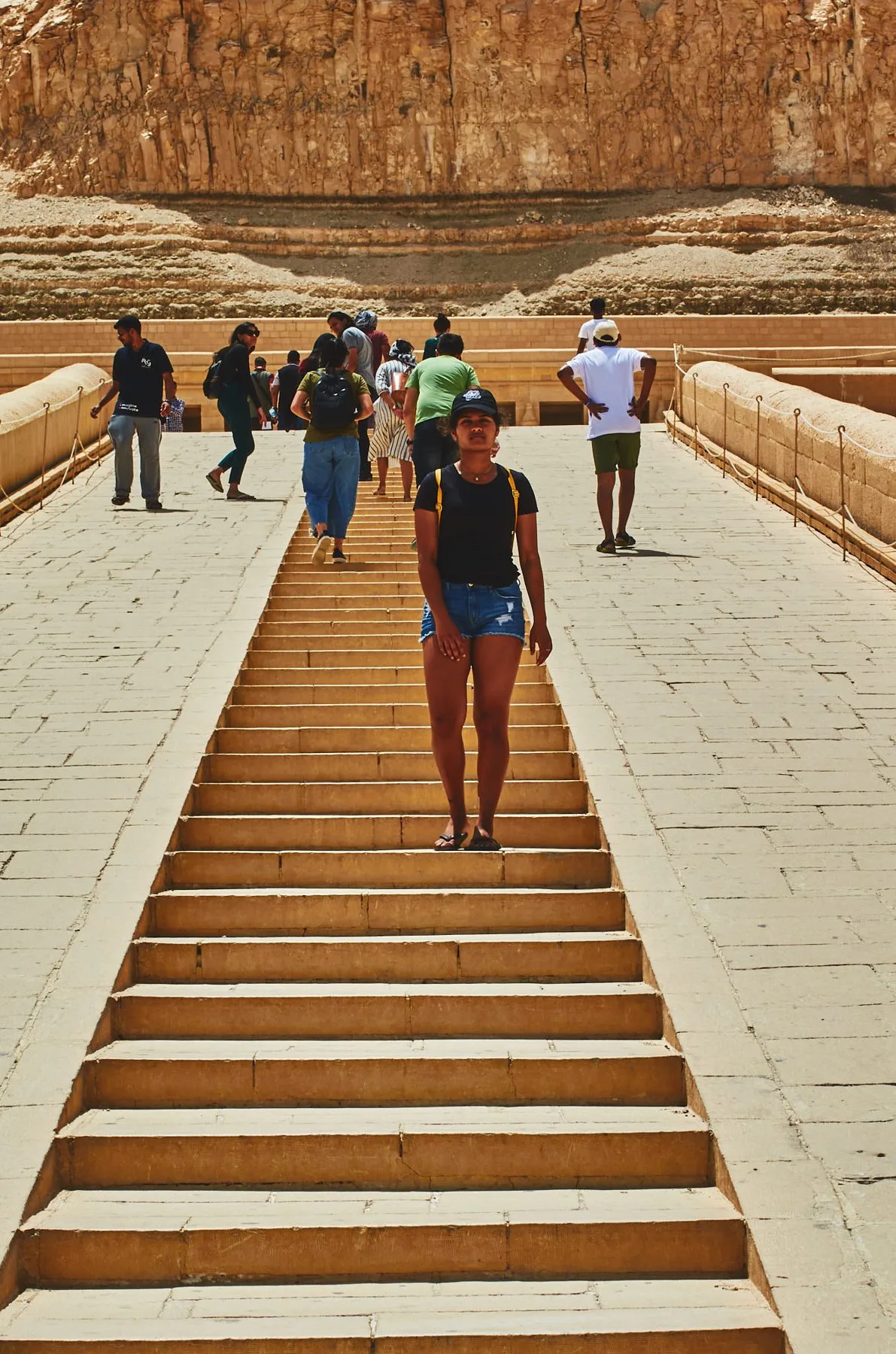
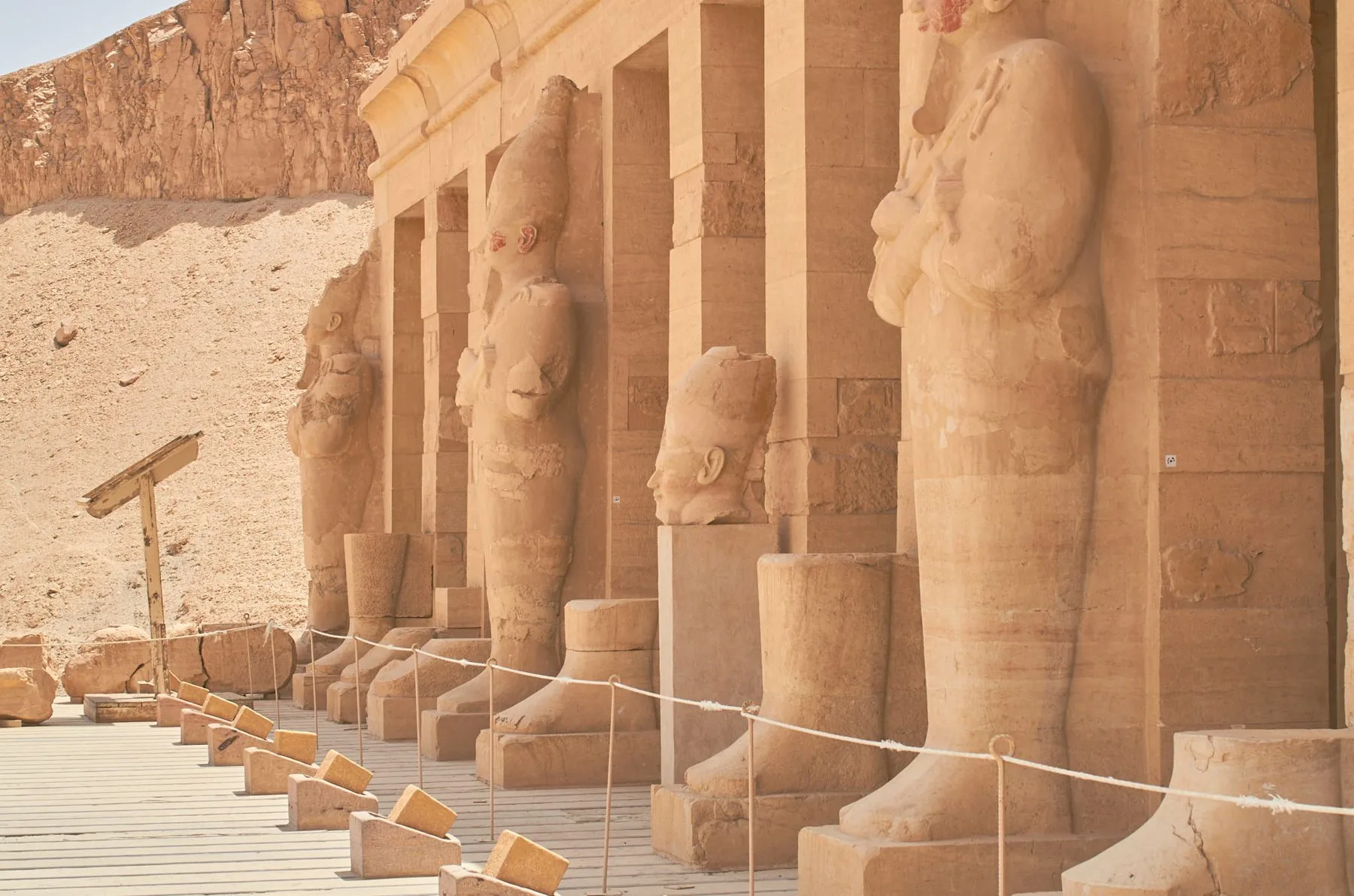
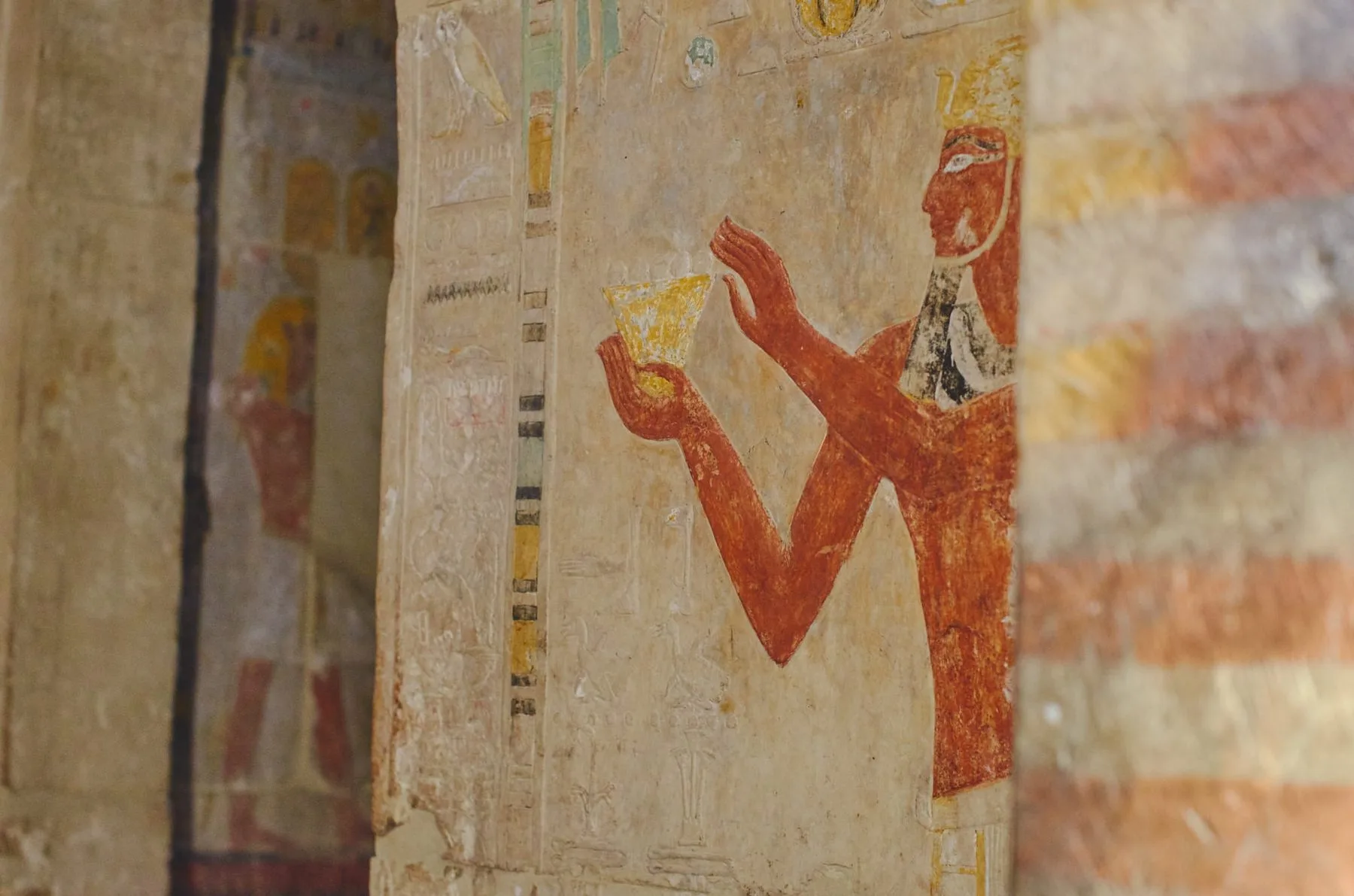
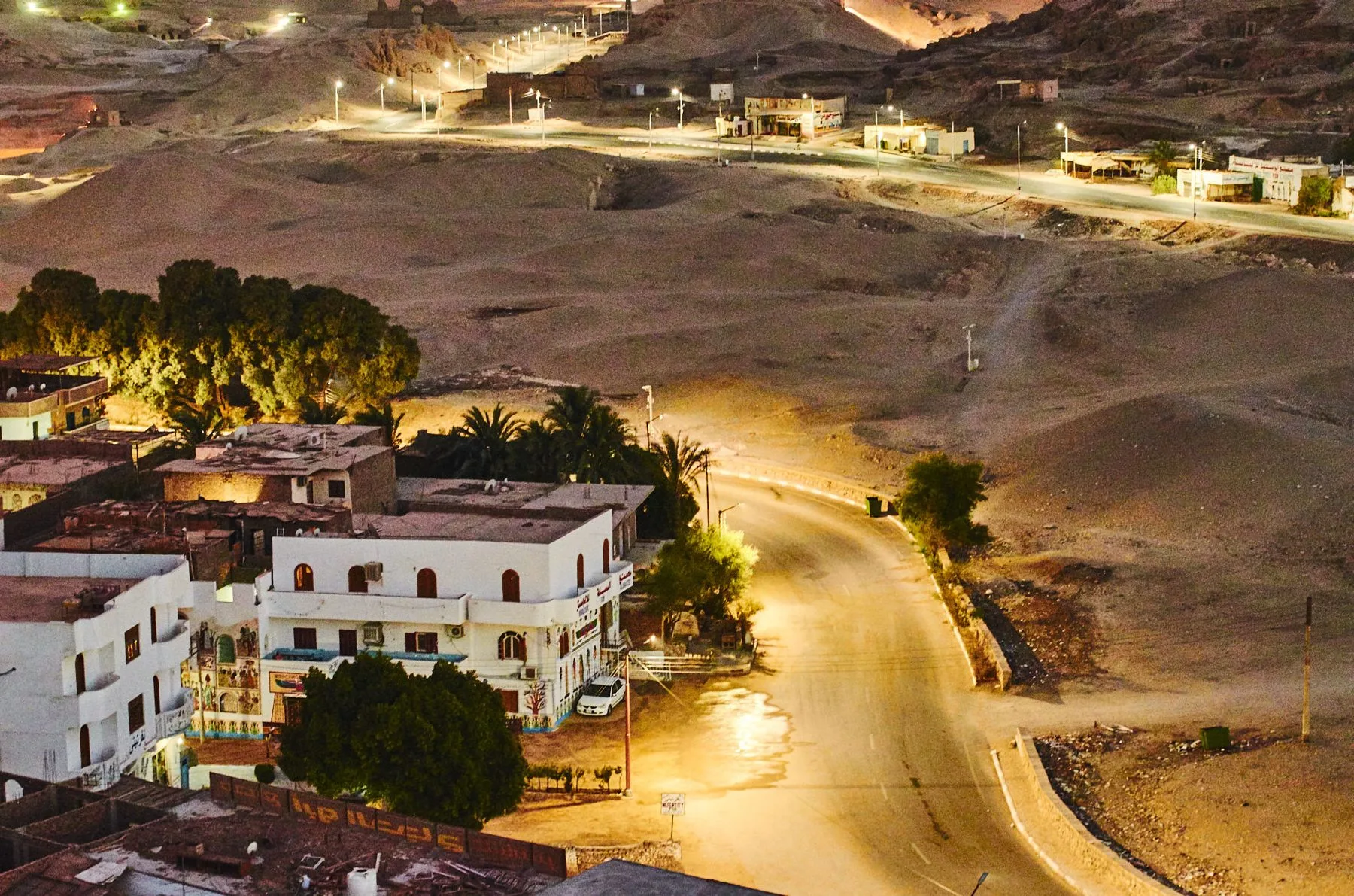
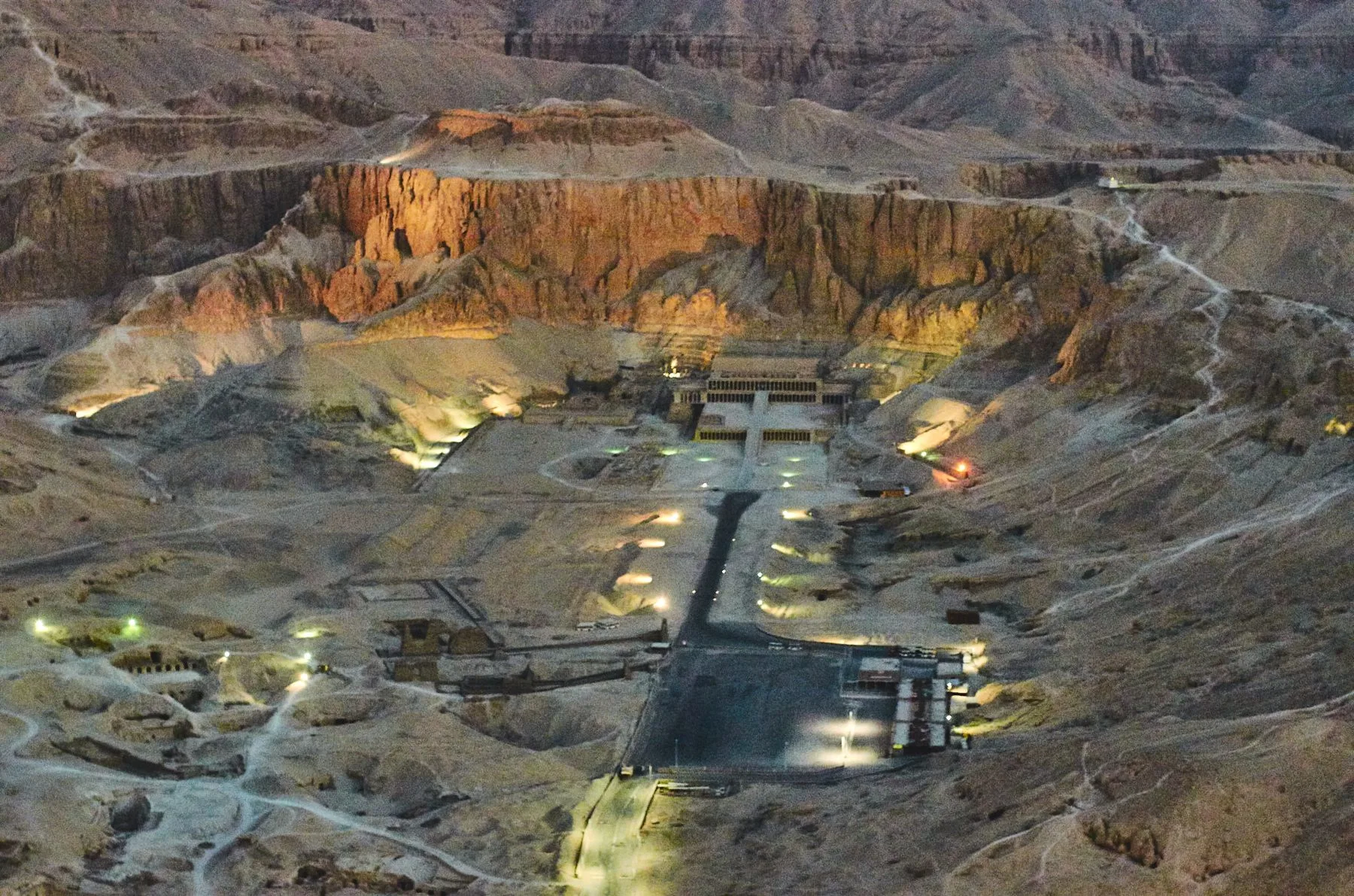
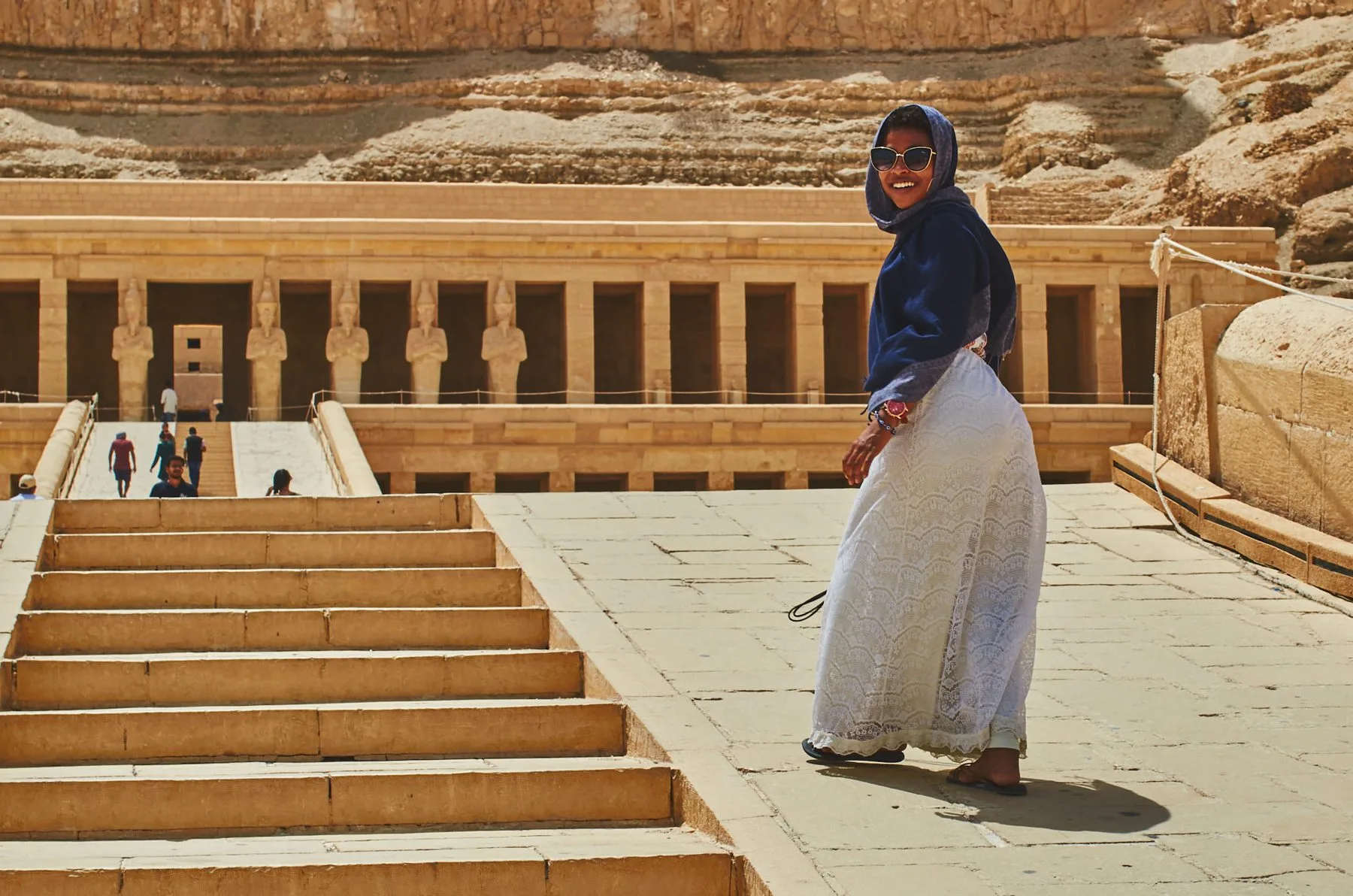
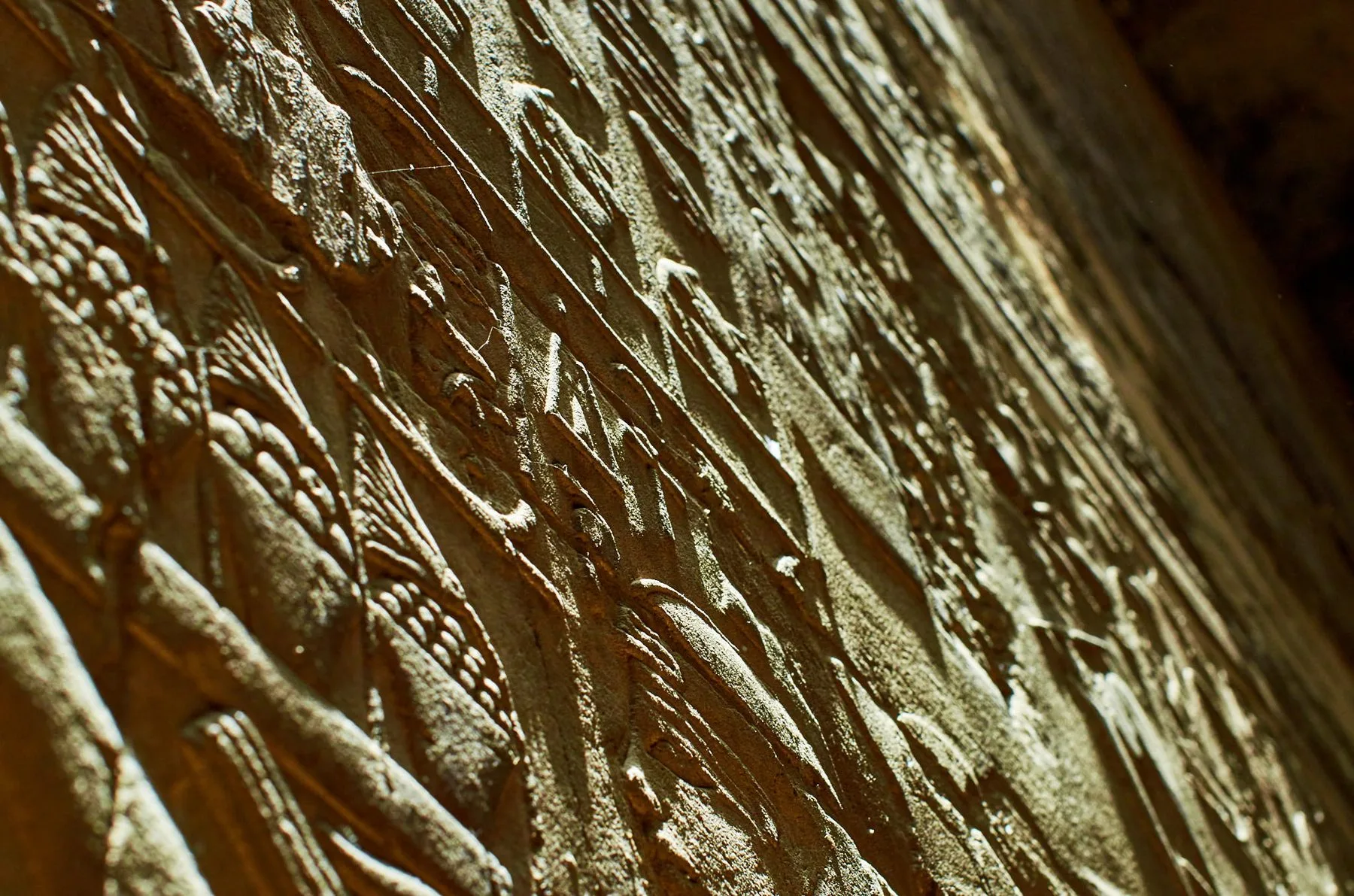
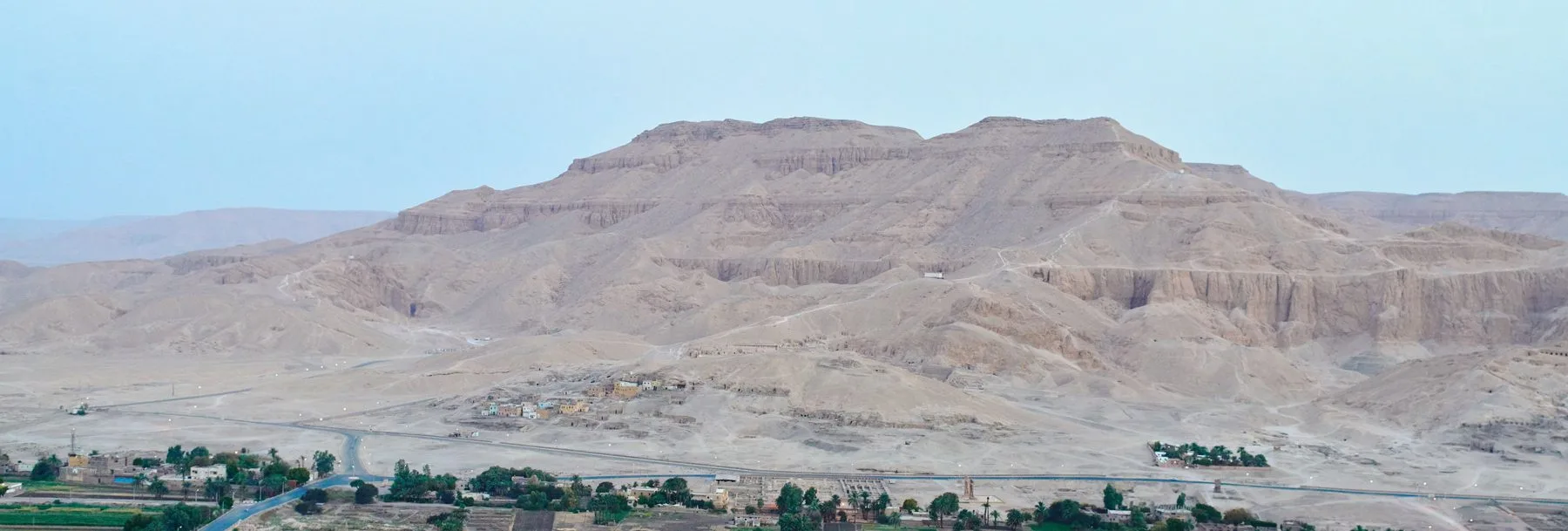
On the west bank the pharaohs built for eternity and hid their kings inside the rock. You climb the same ramps, and the cliffs do not care that you came by tour bus.
First Light
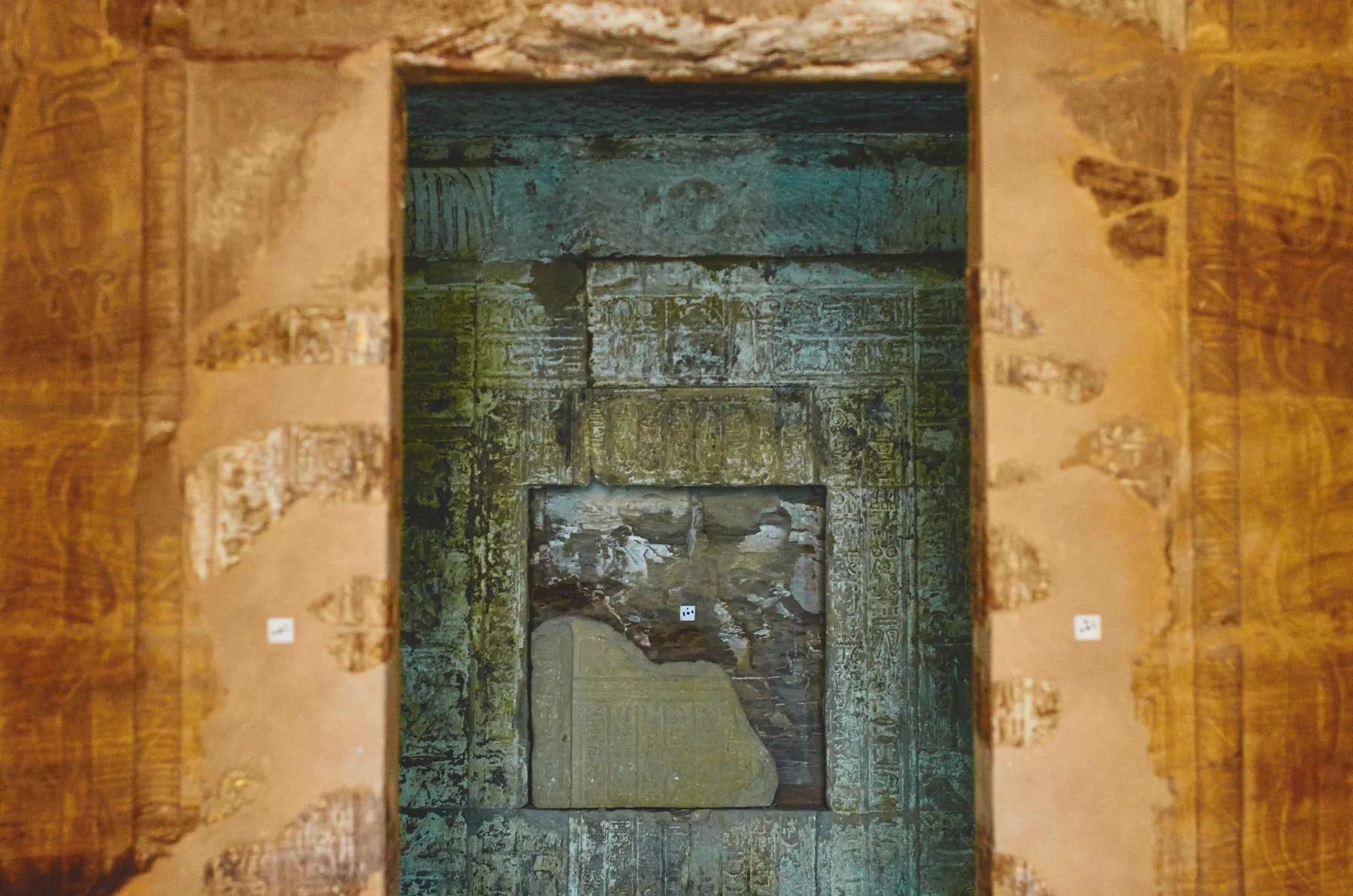
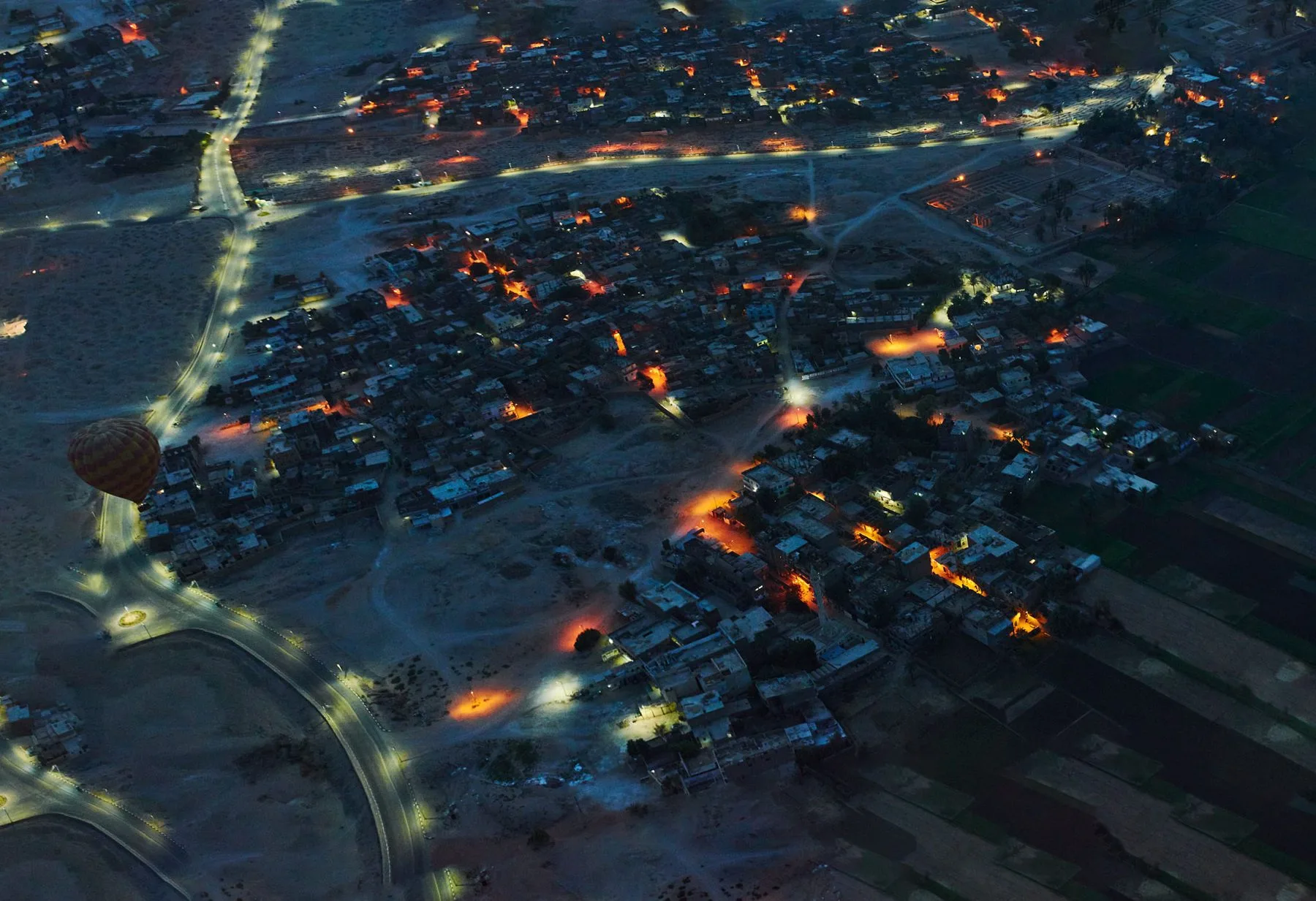
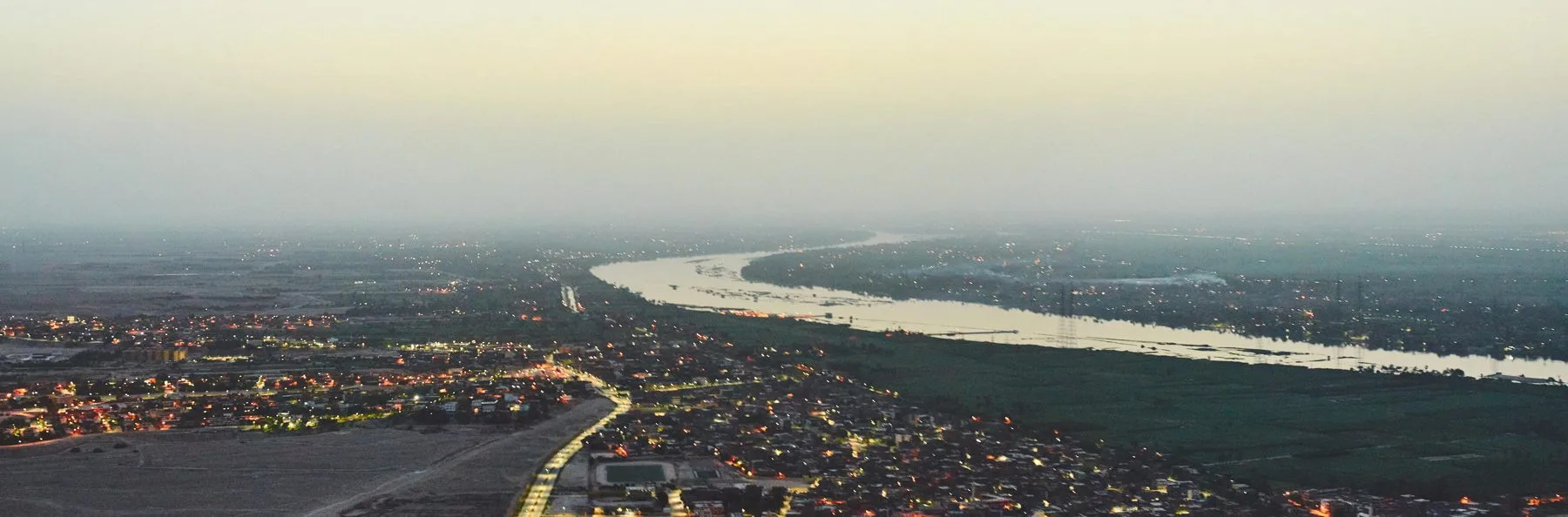
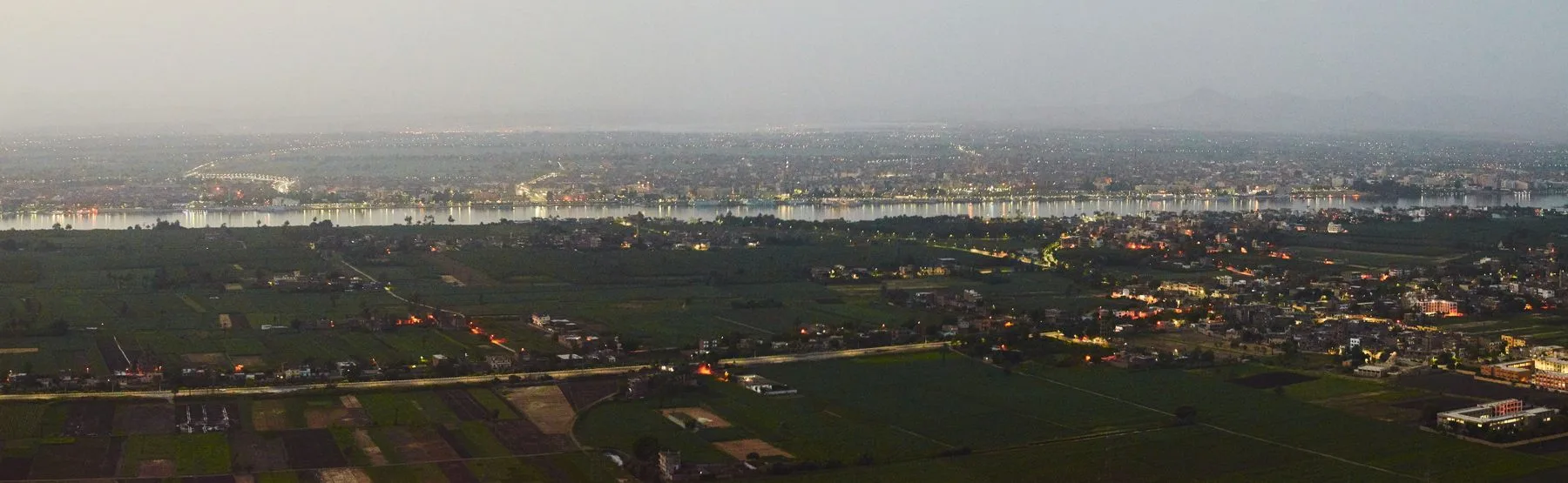
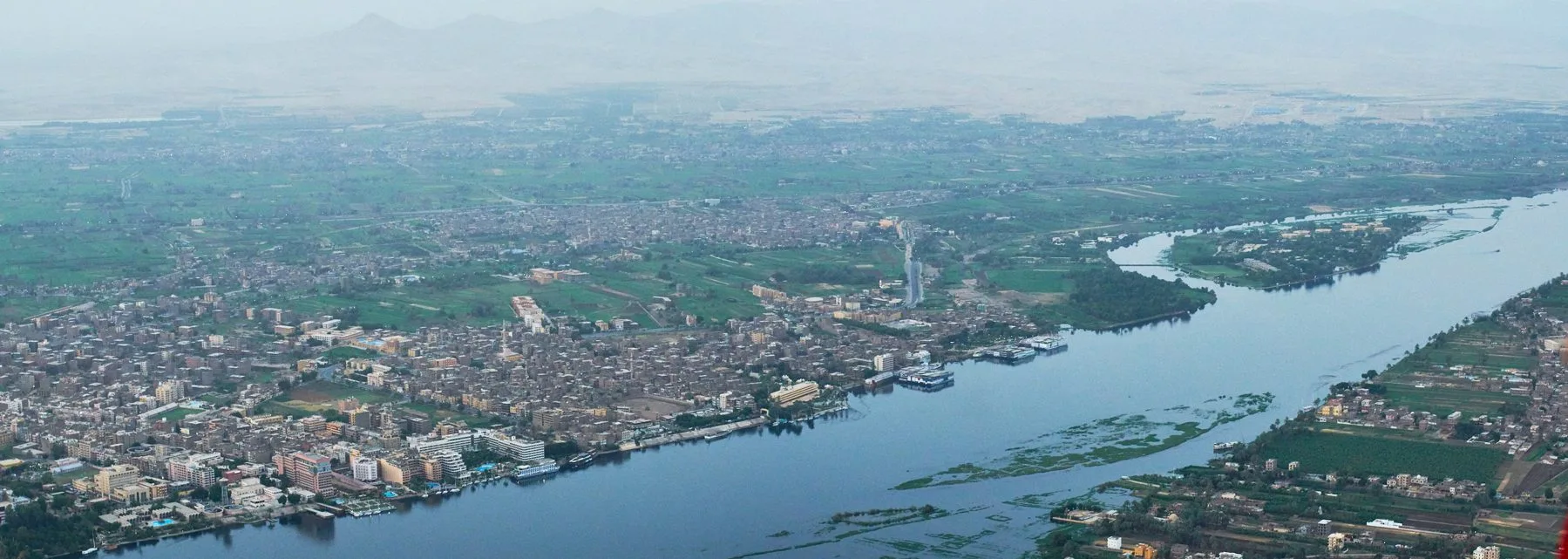
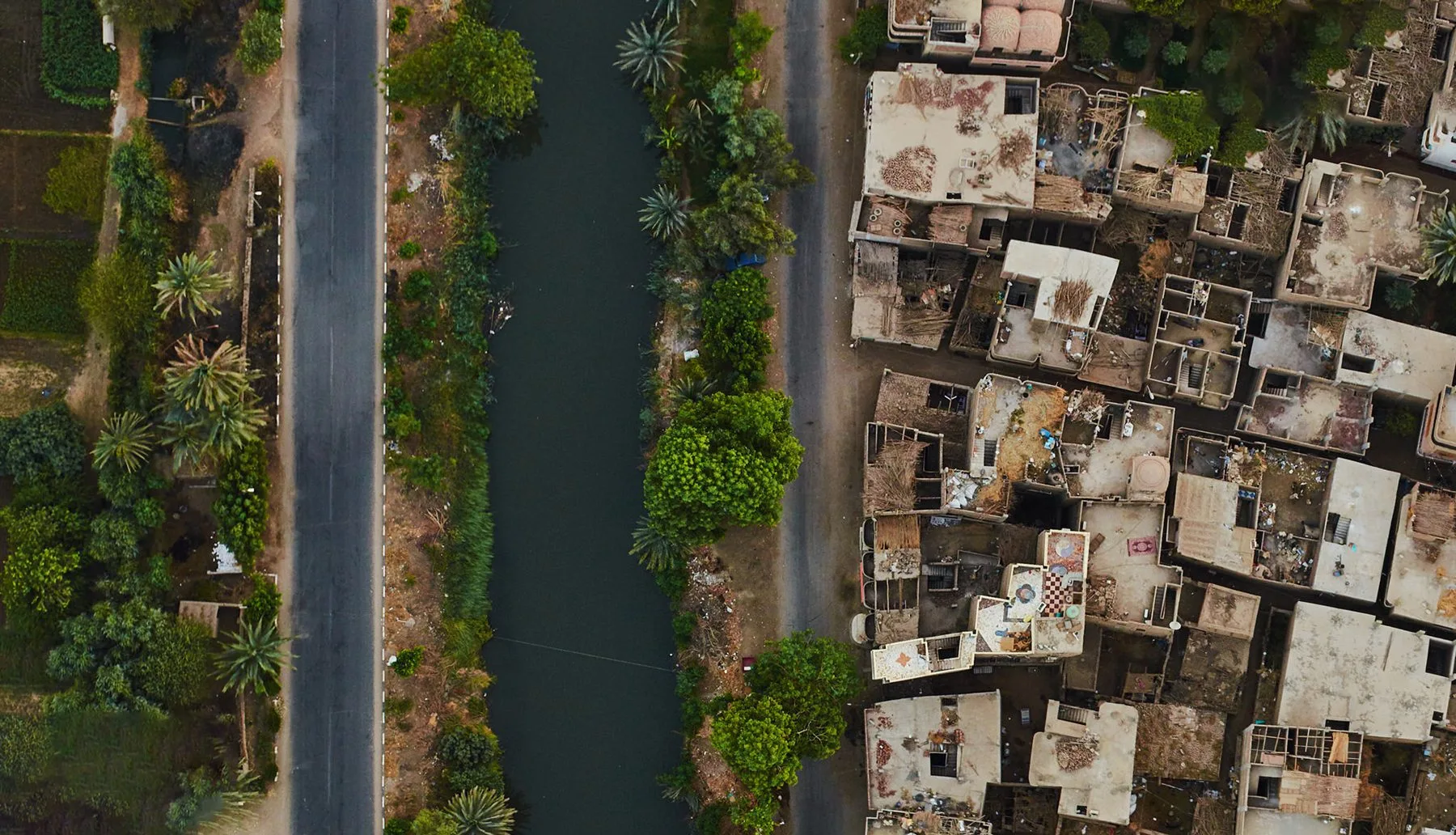
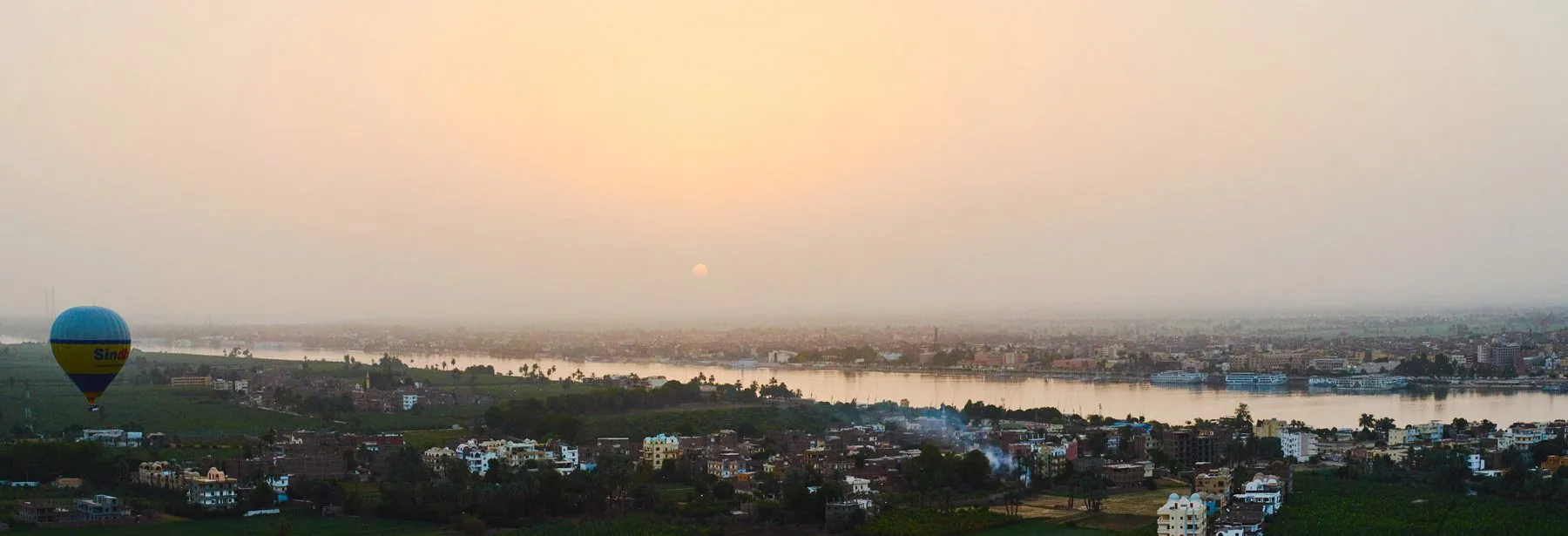
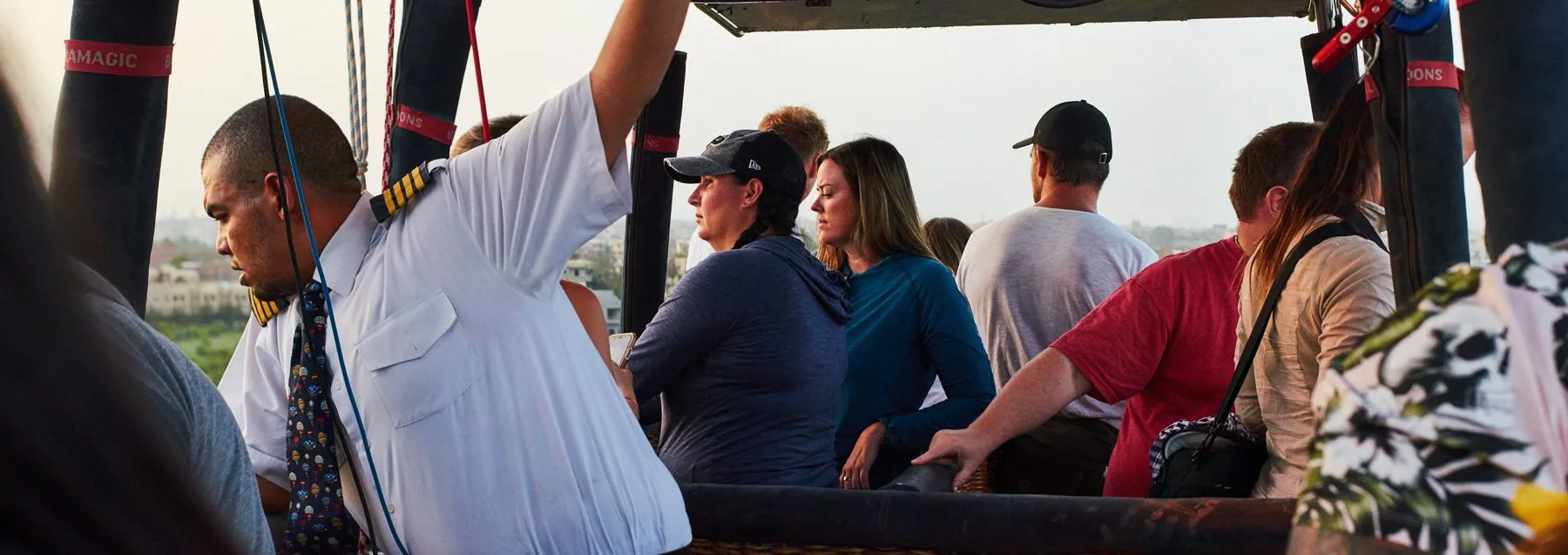
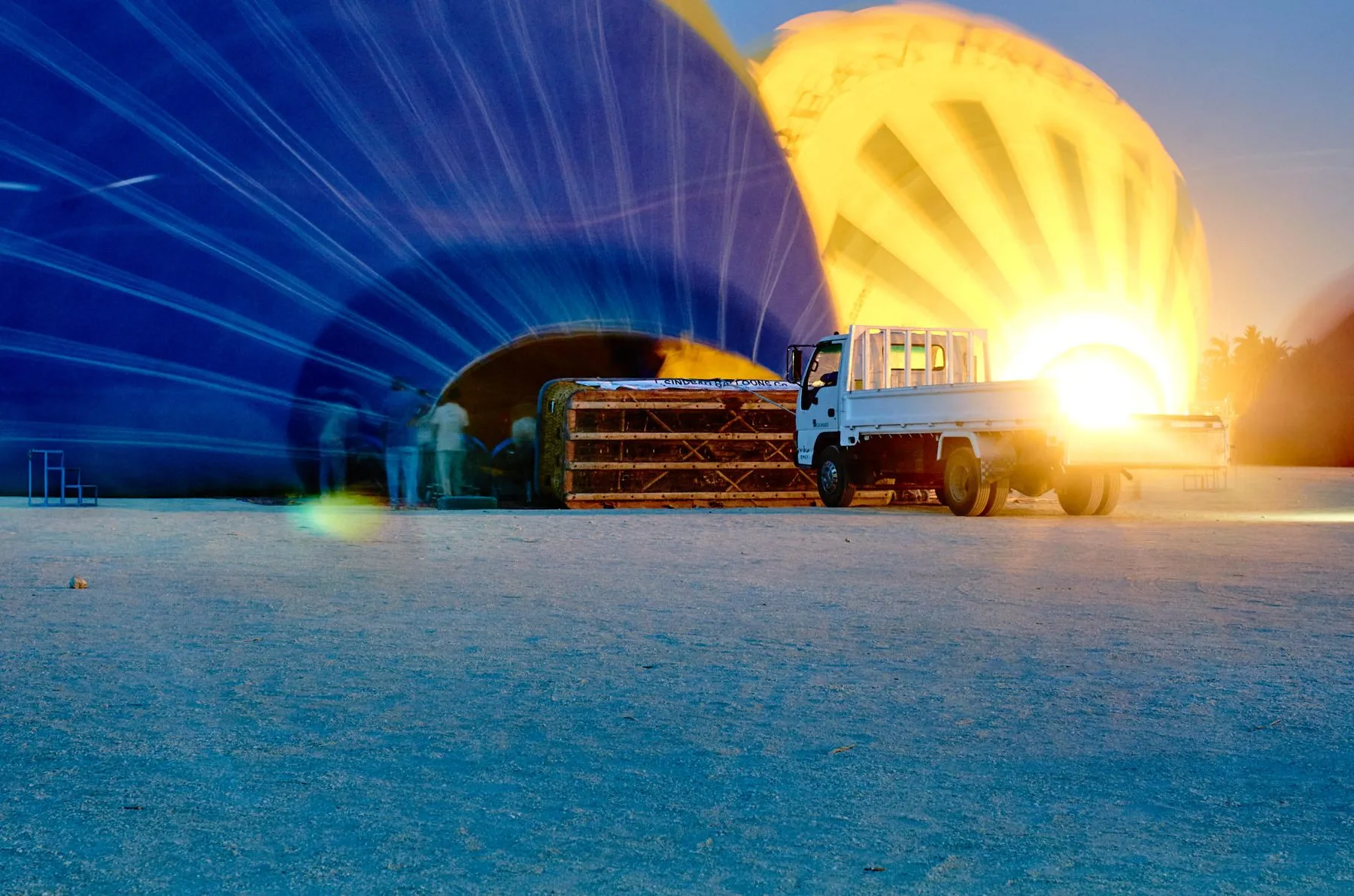
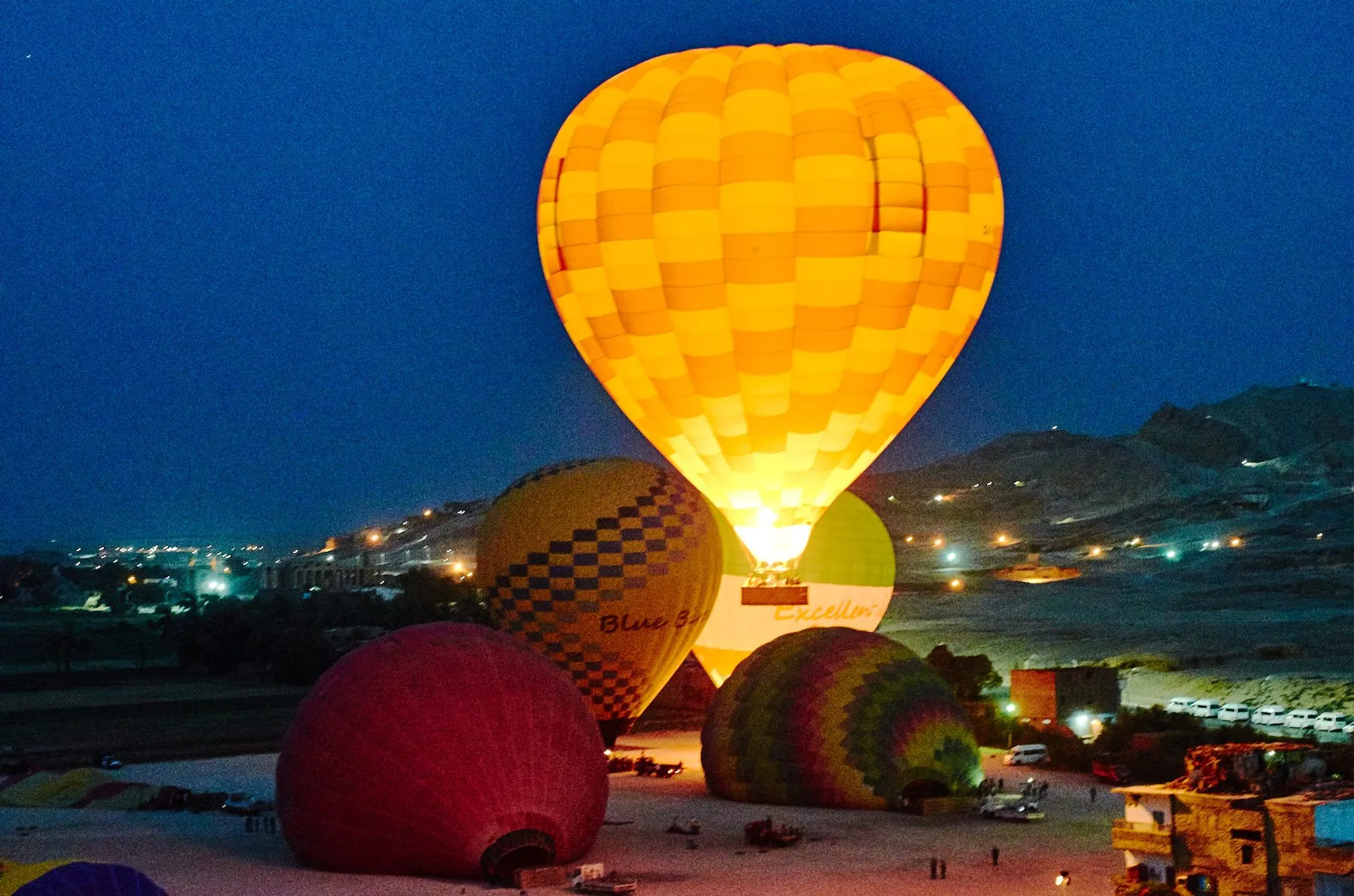
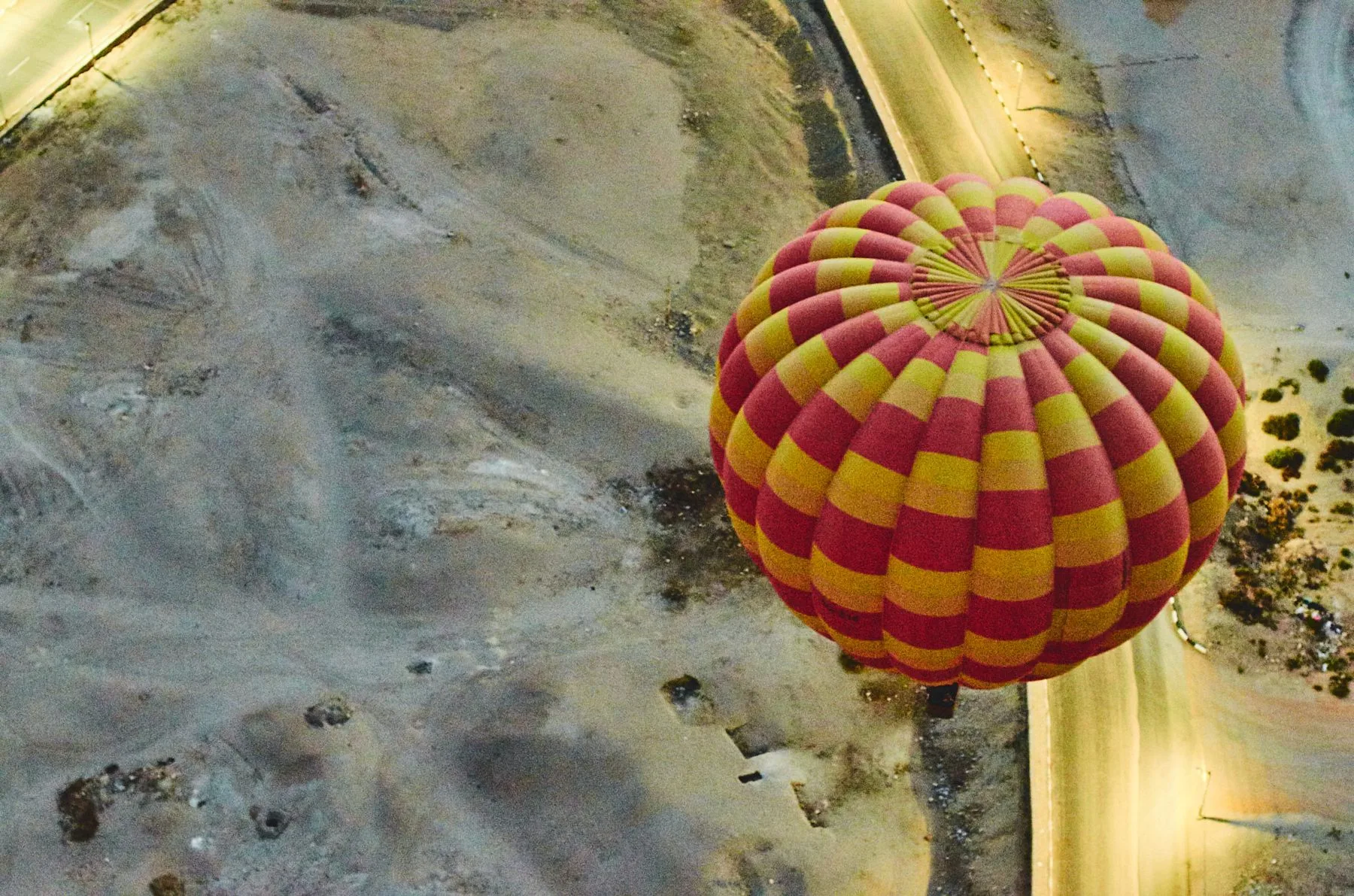
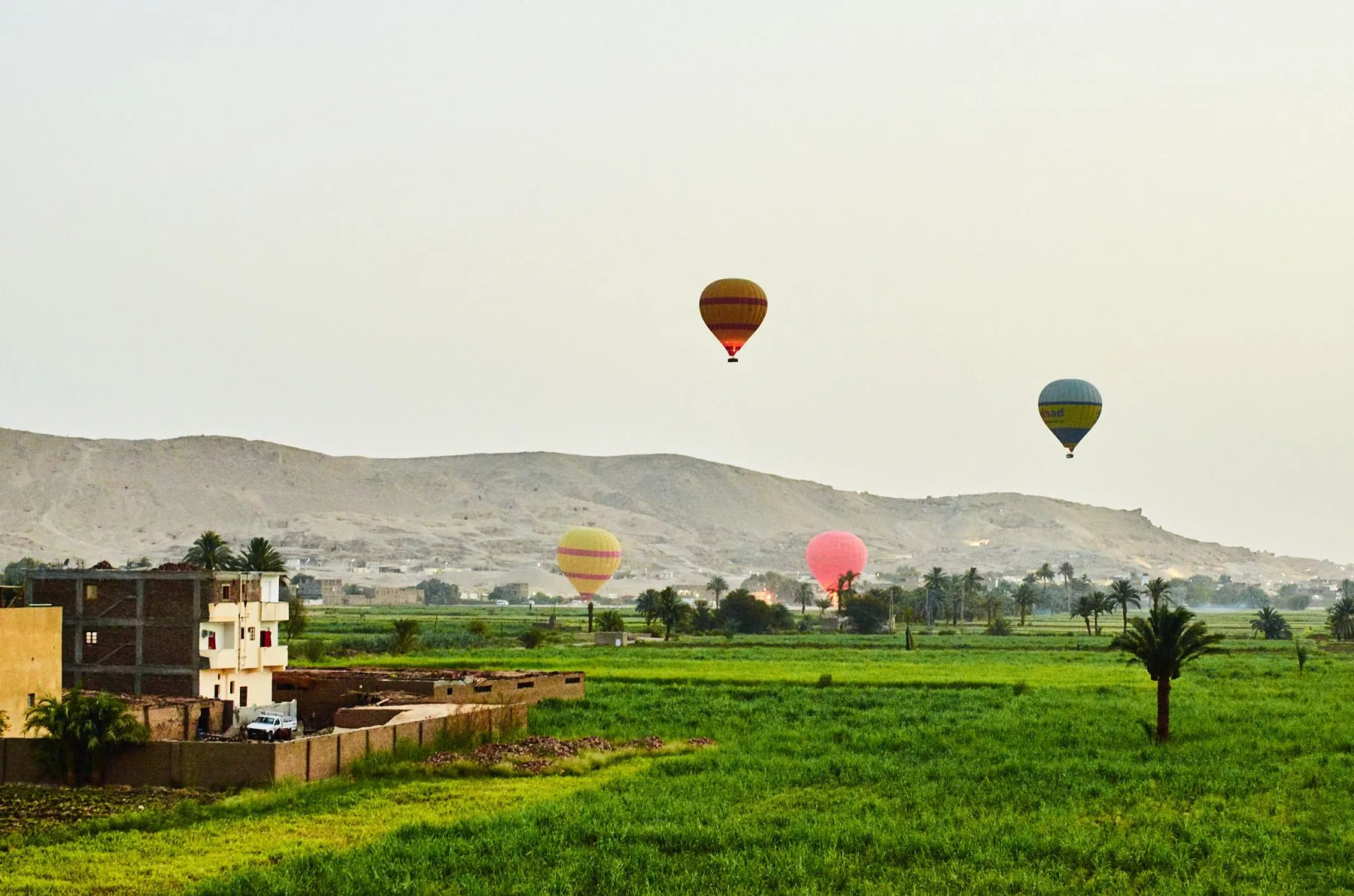
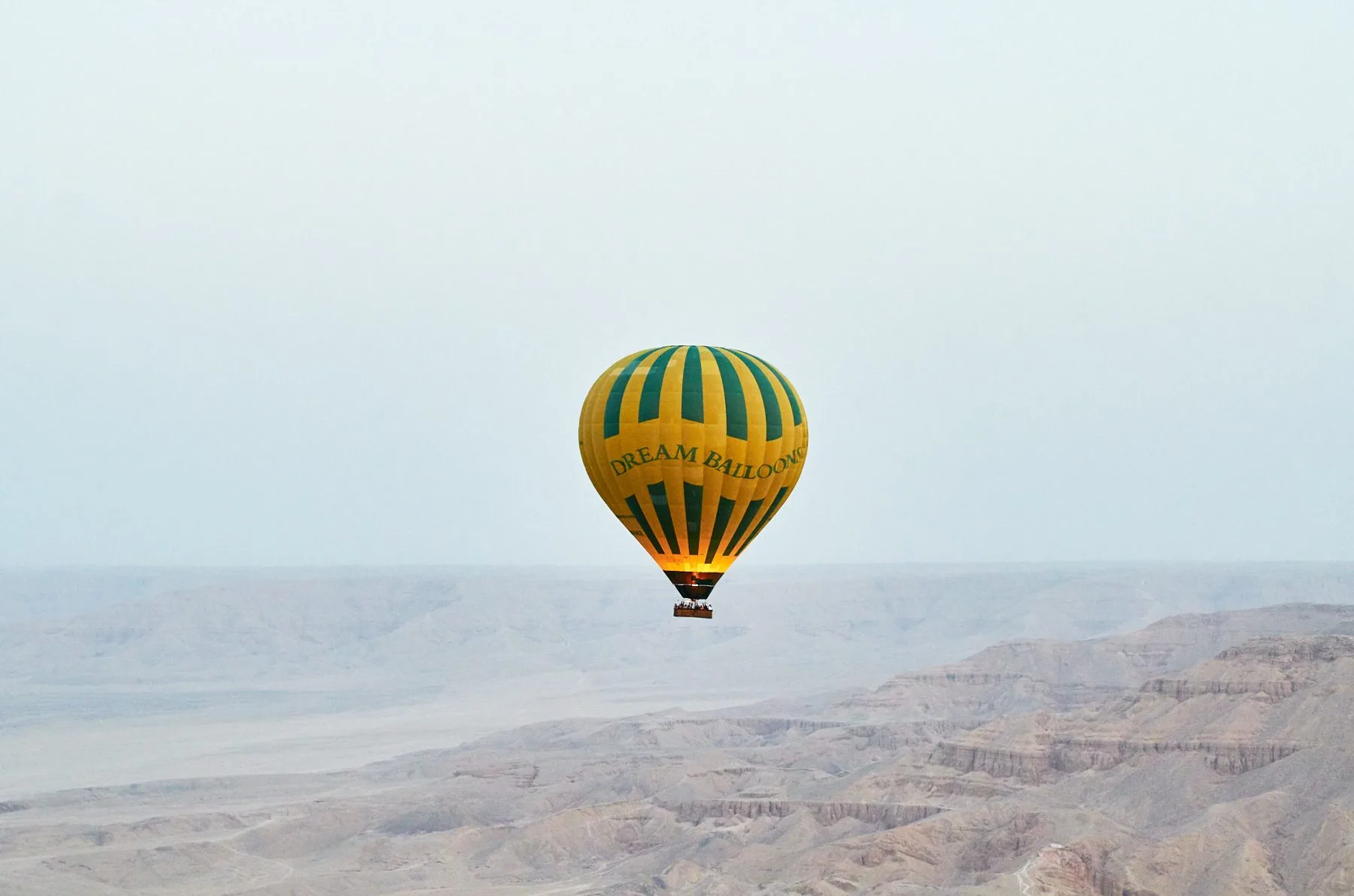
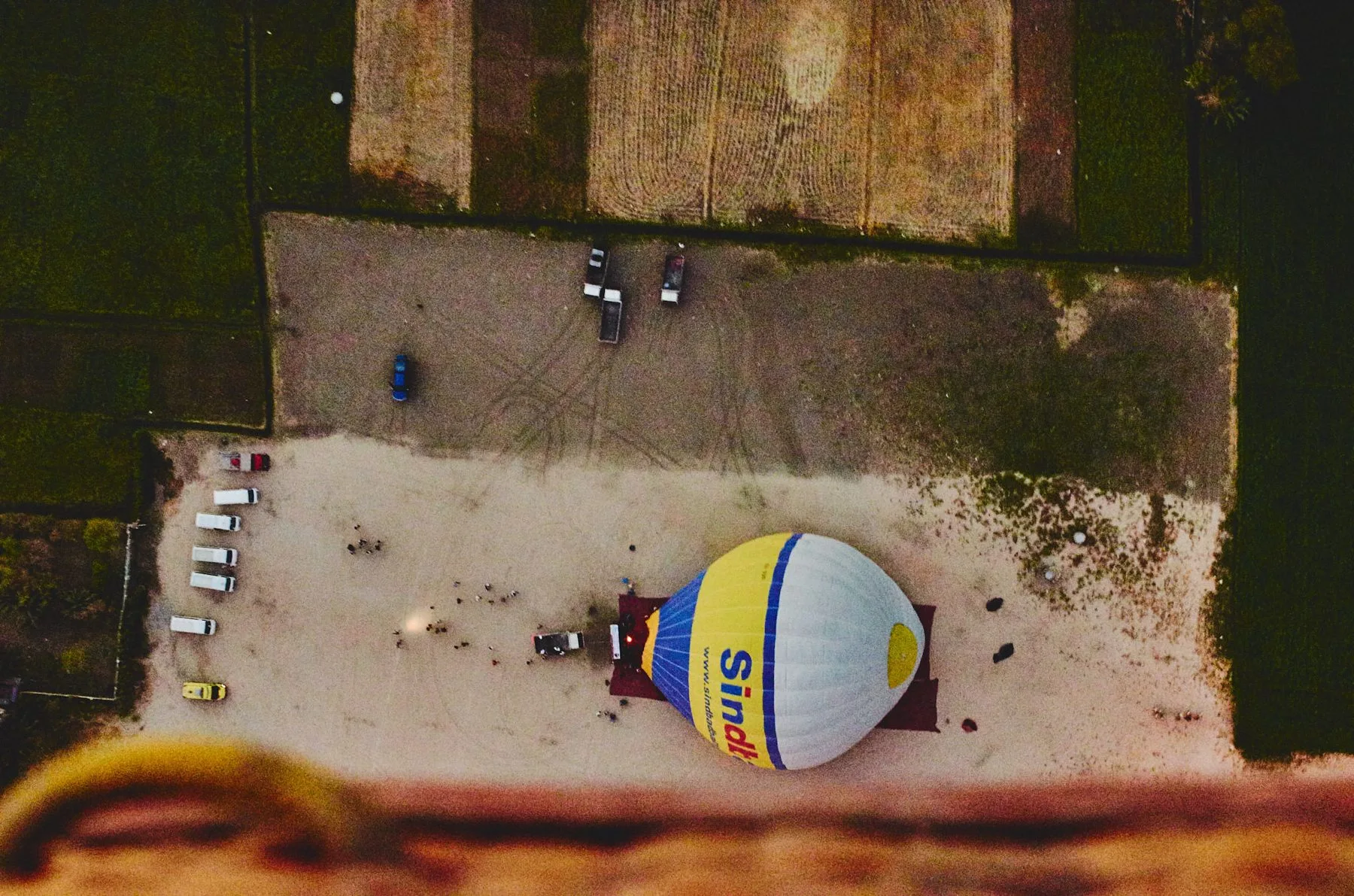
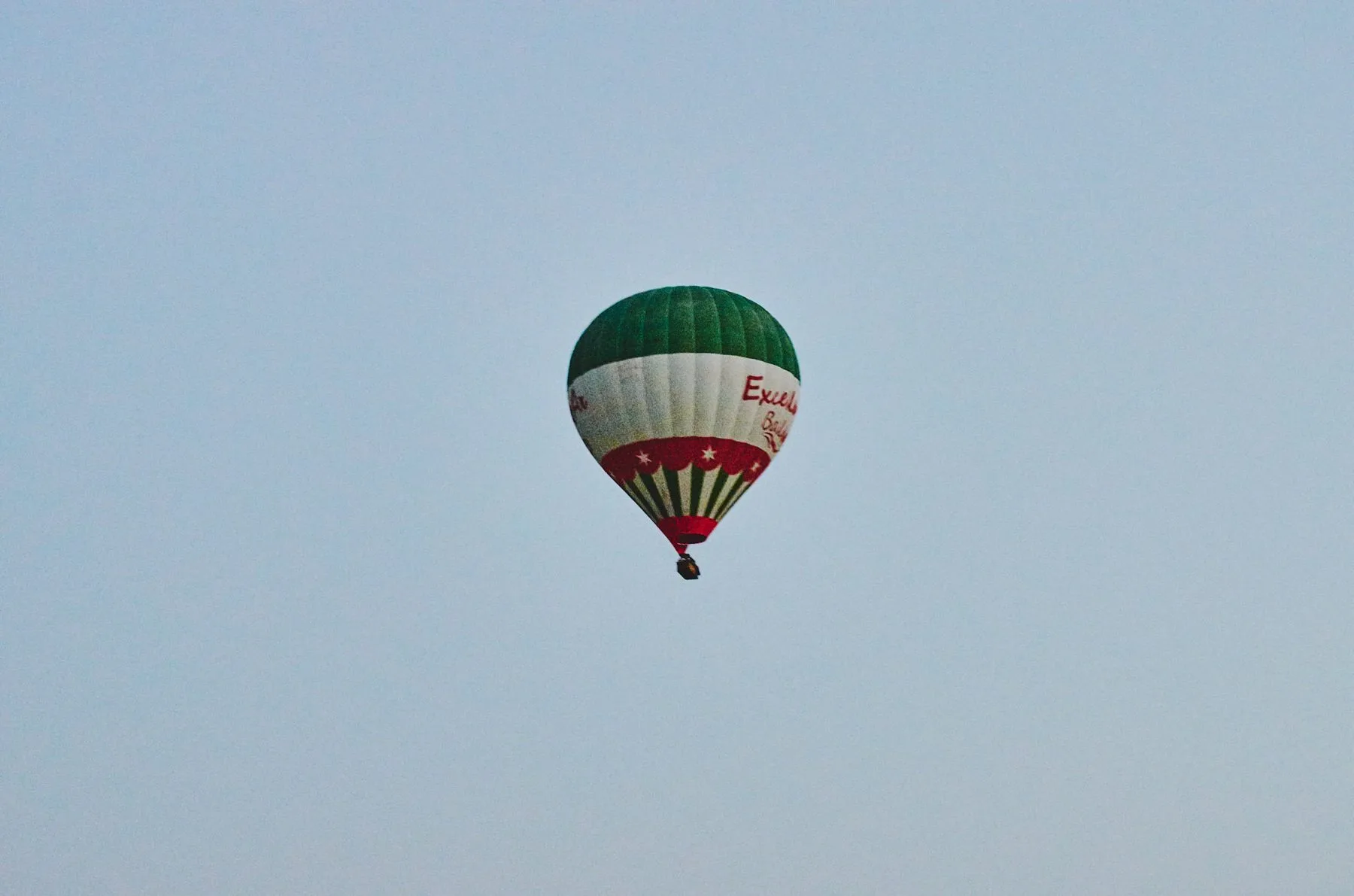
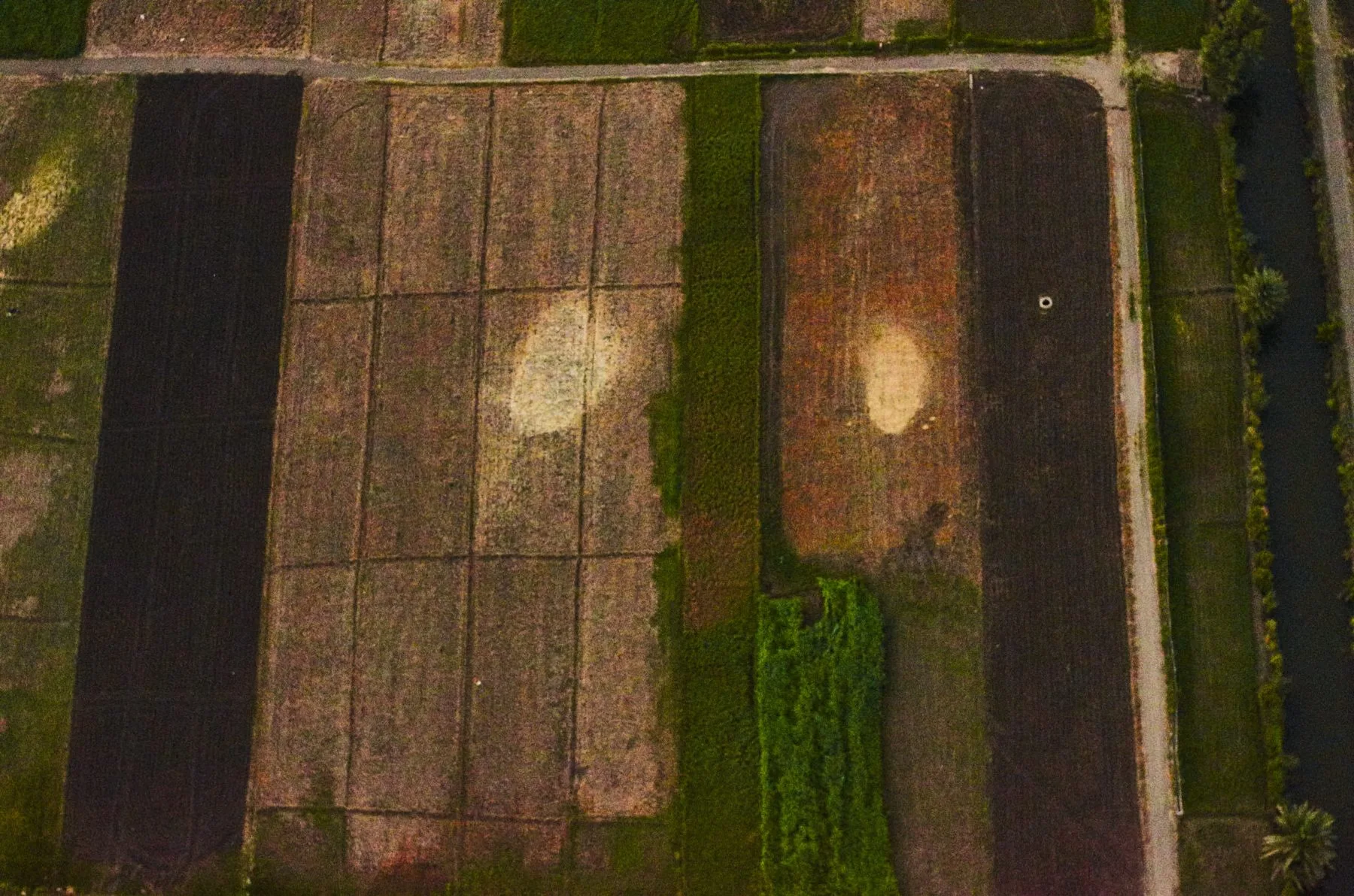
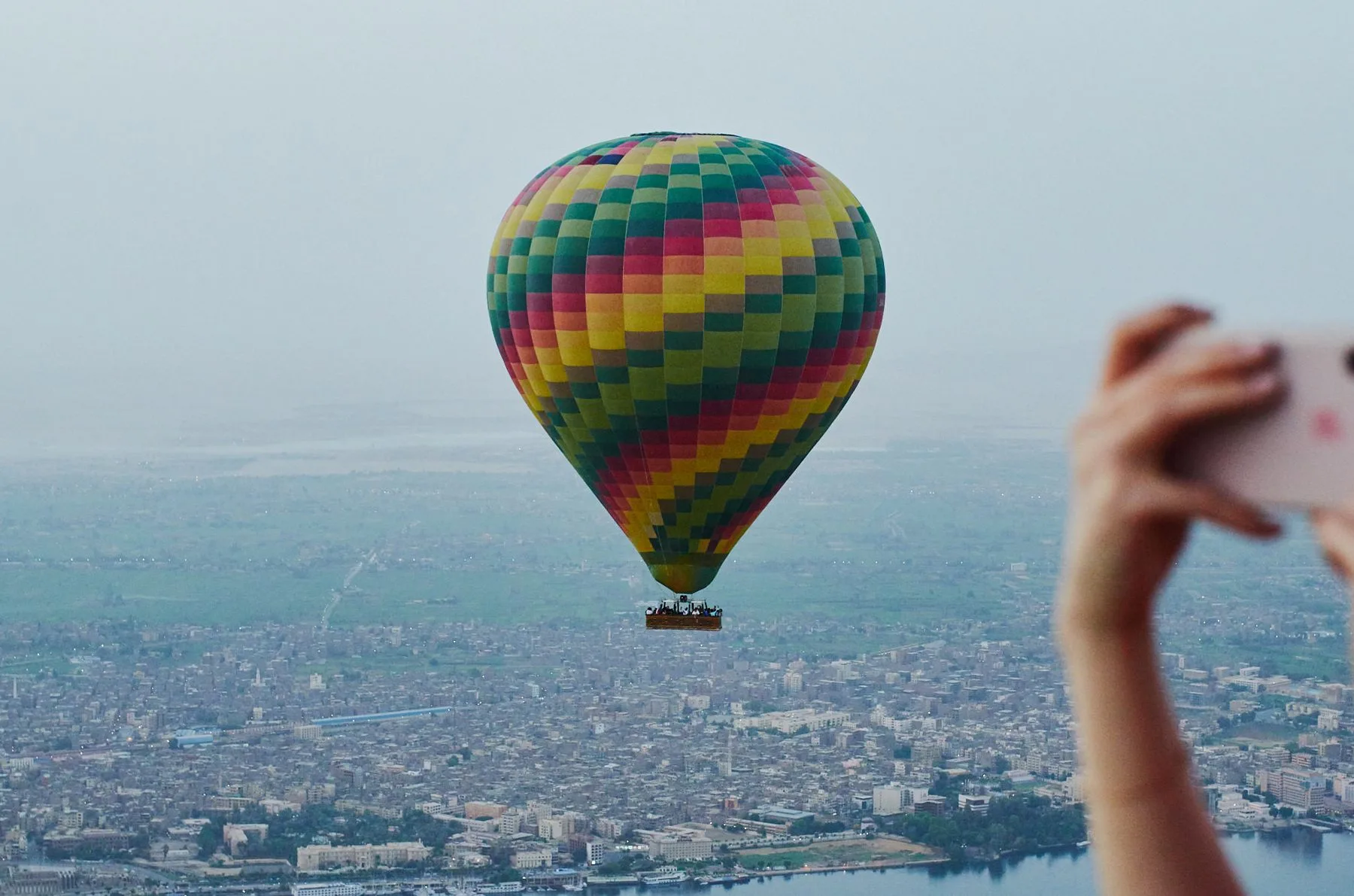
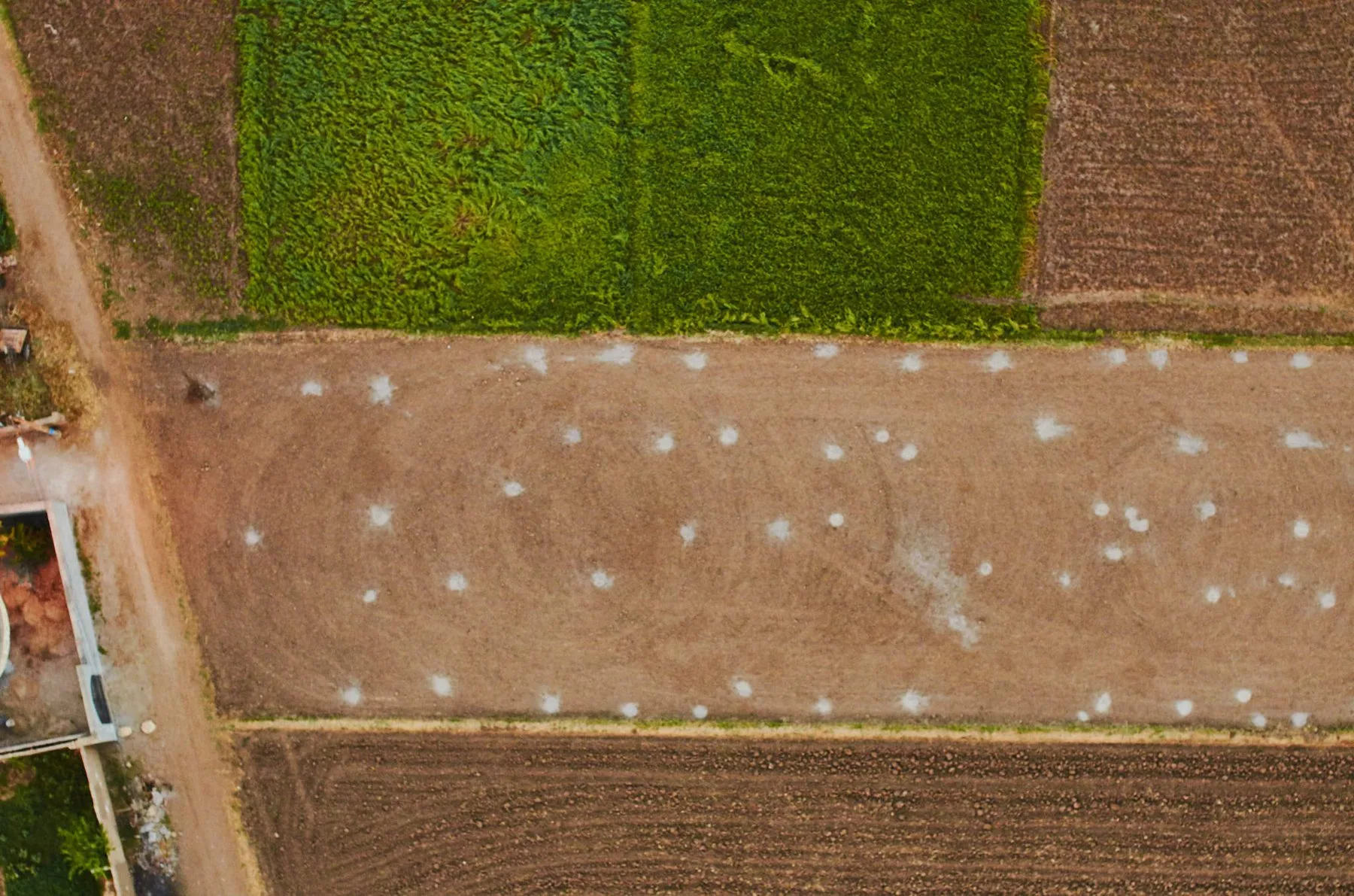
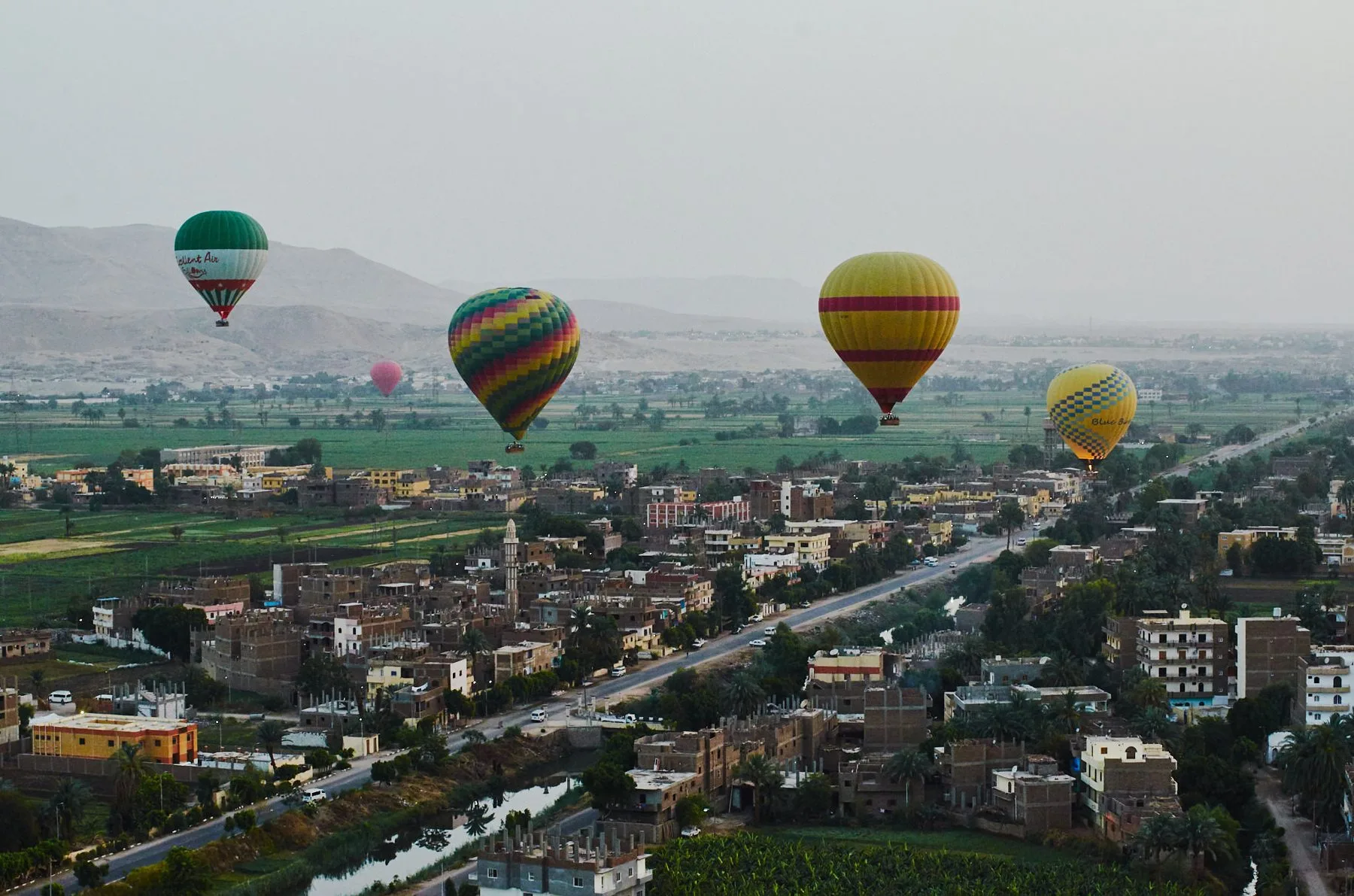
Before the heat, before the crowds, the valley is handed to you in silence from a thousand feet up, fields stitched like a quilt, a village waking, the shadow of your own balloon crossing an empty road.

Stone & Sun
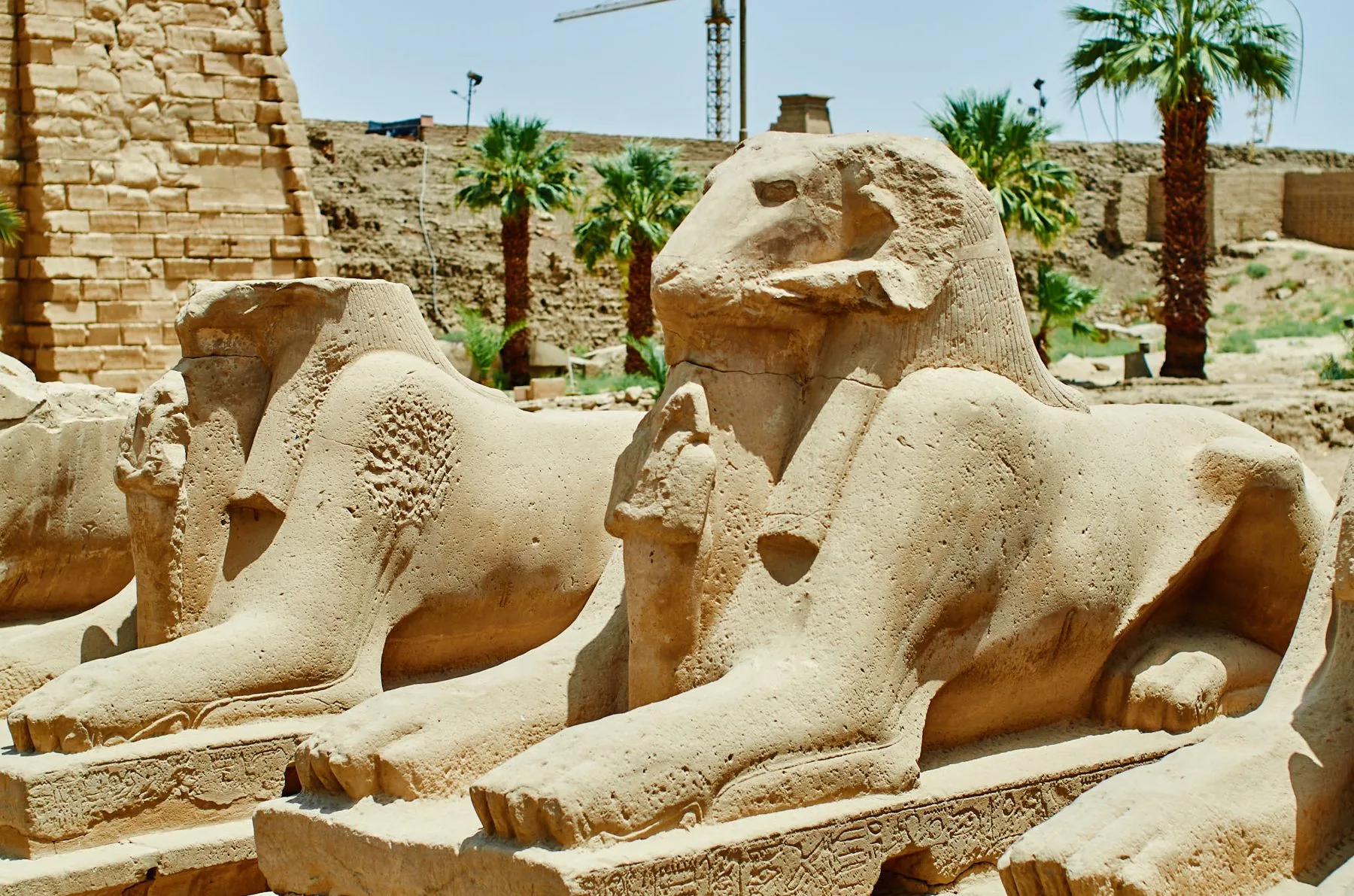
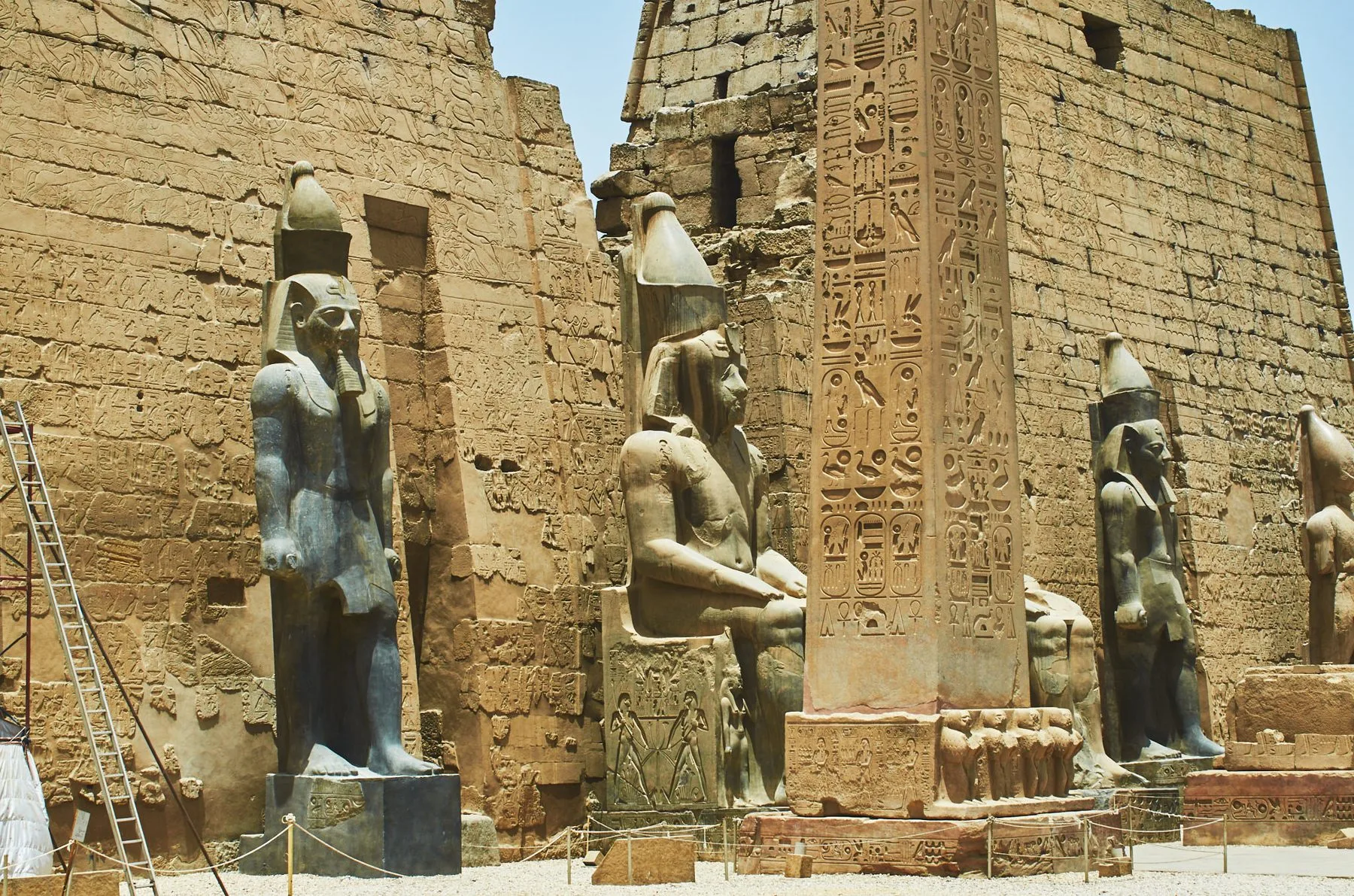
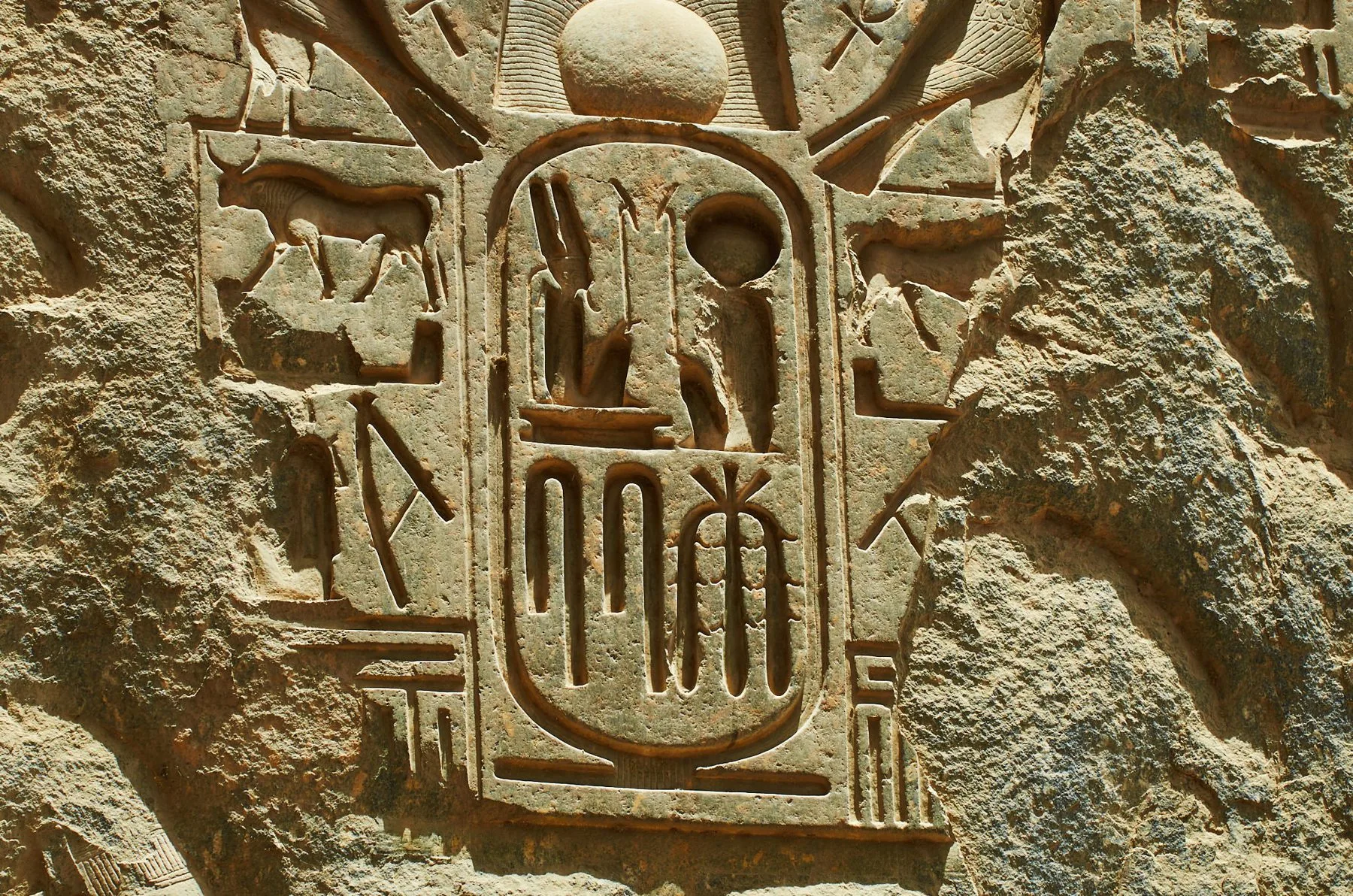
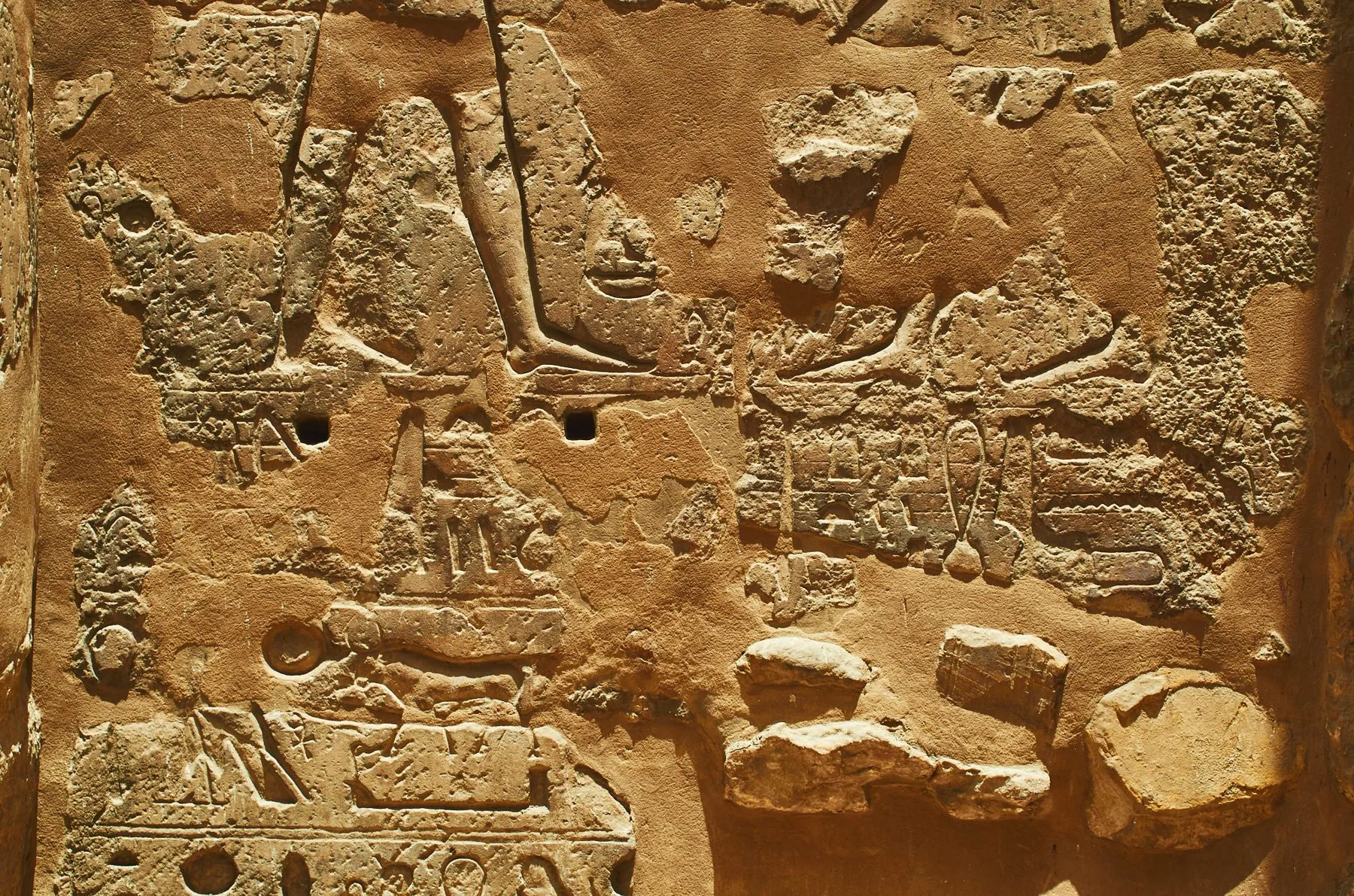
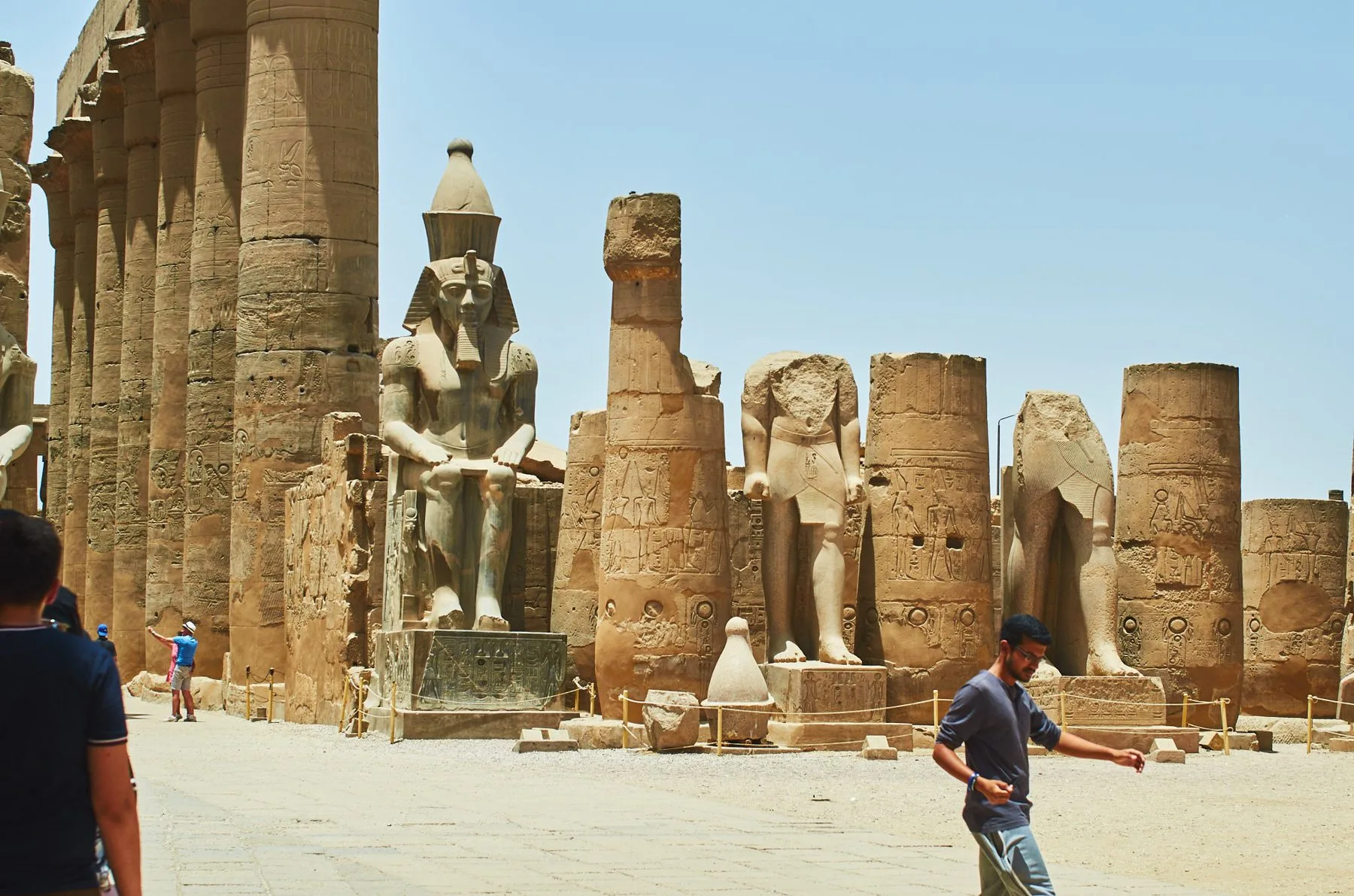
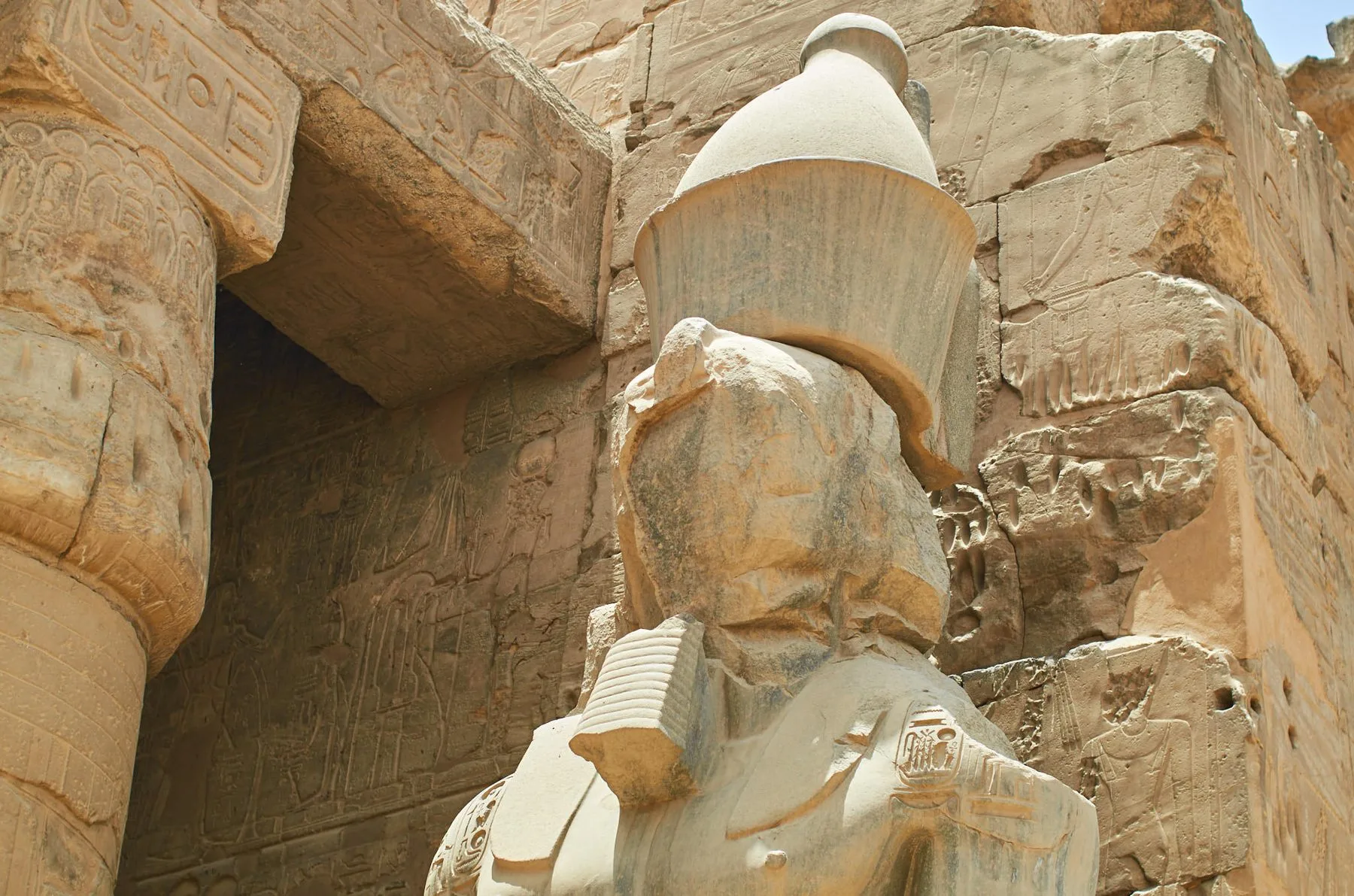
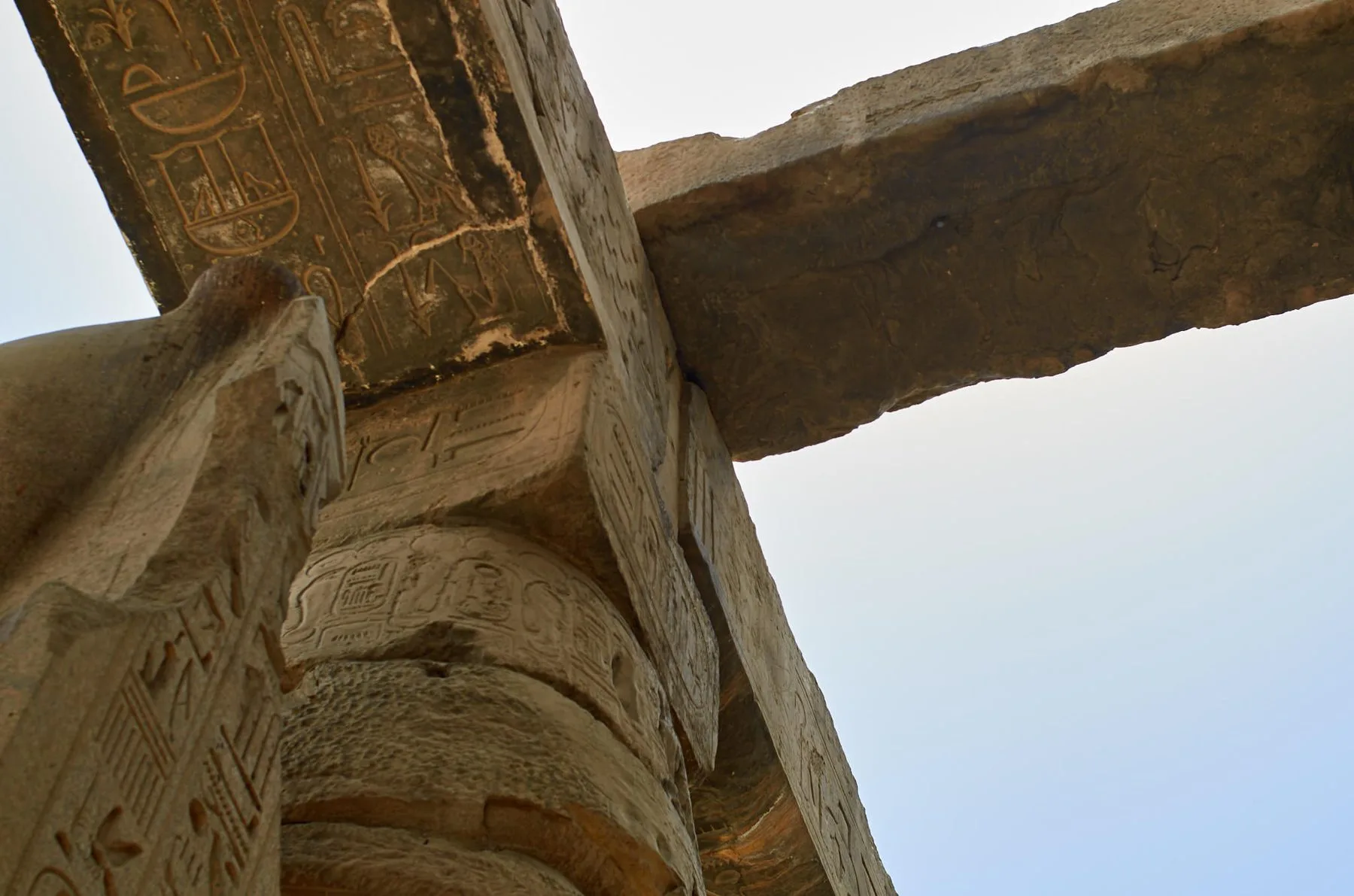
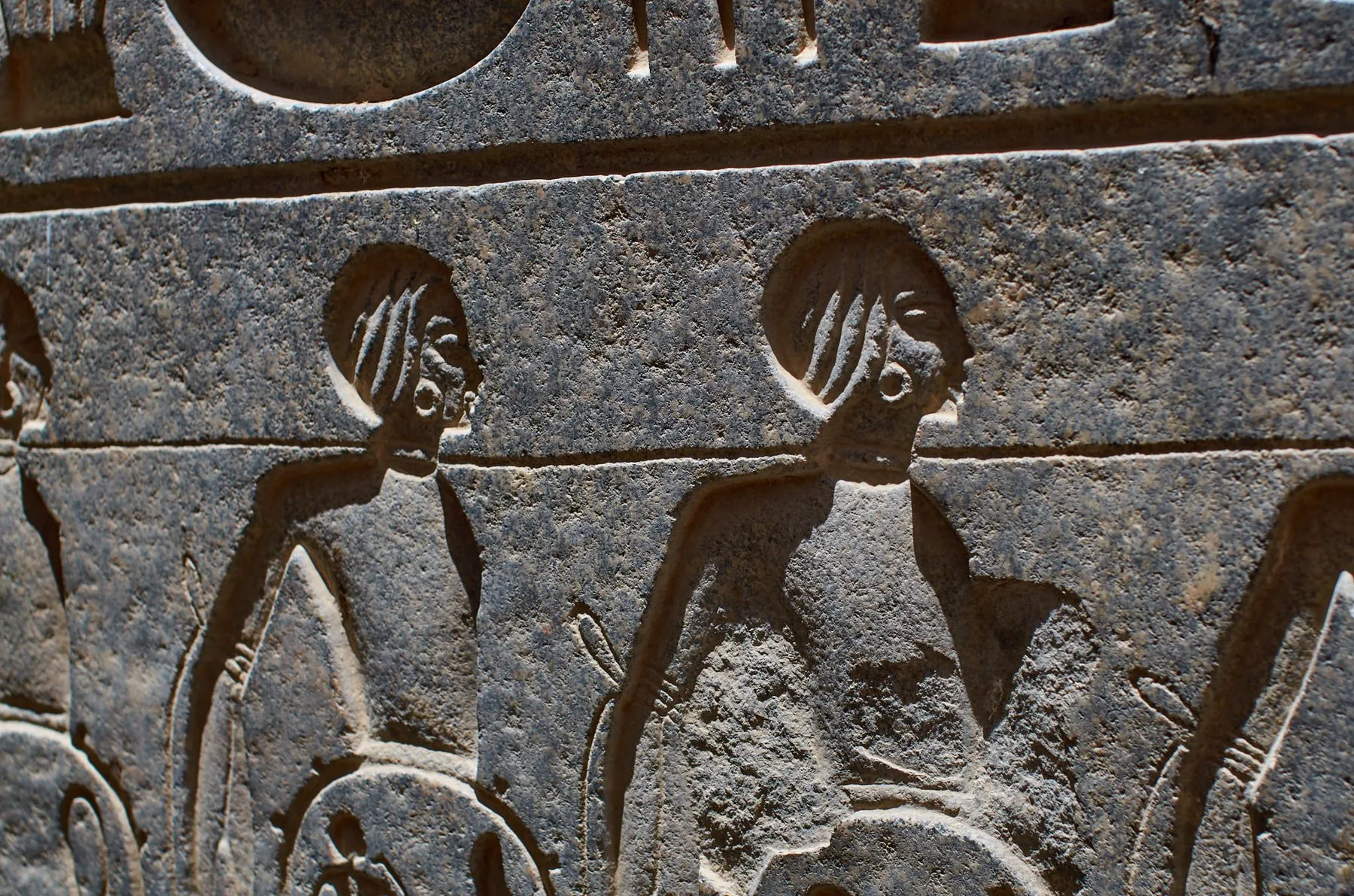
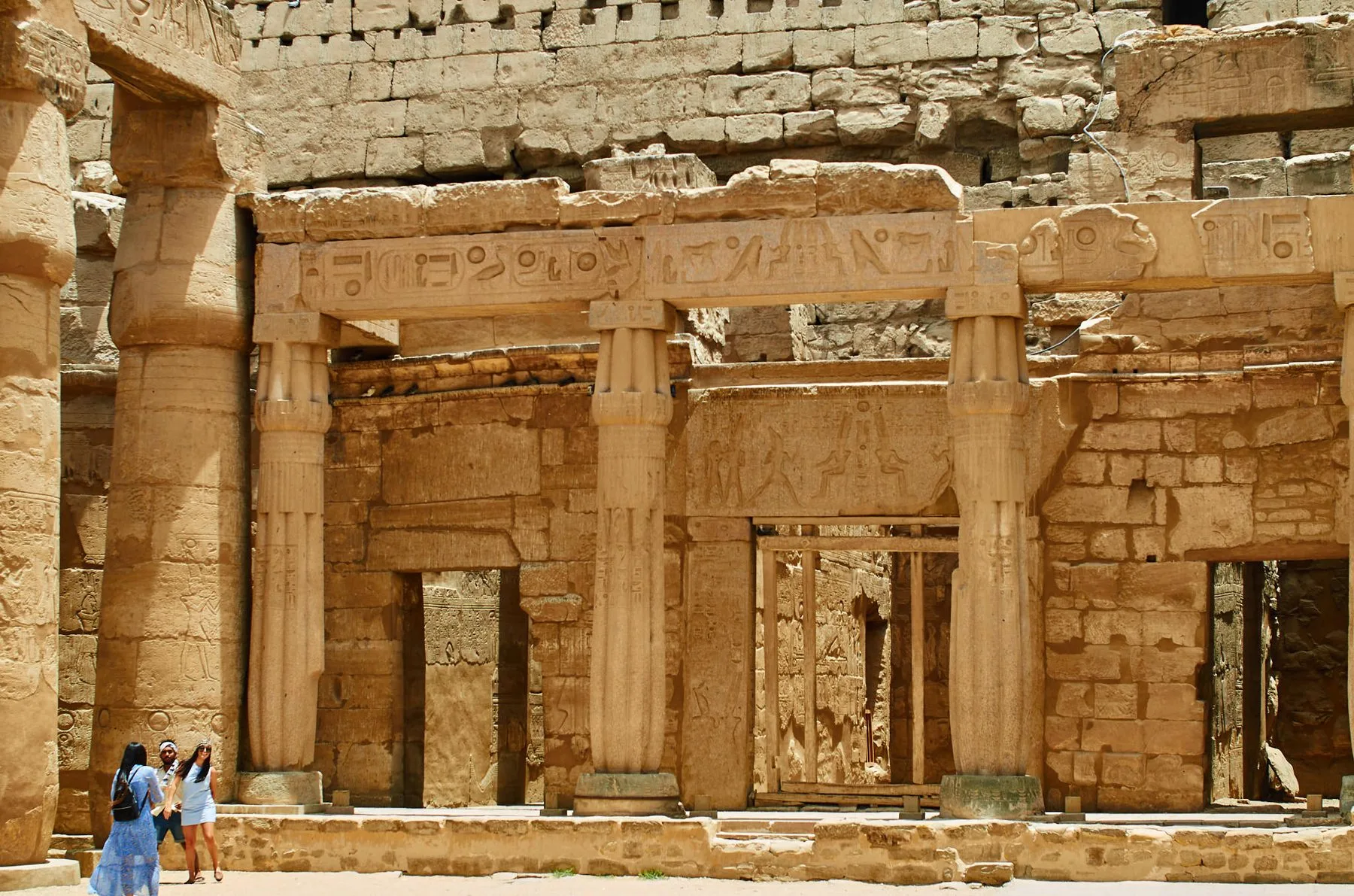
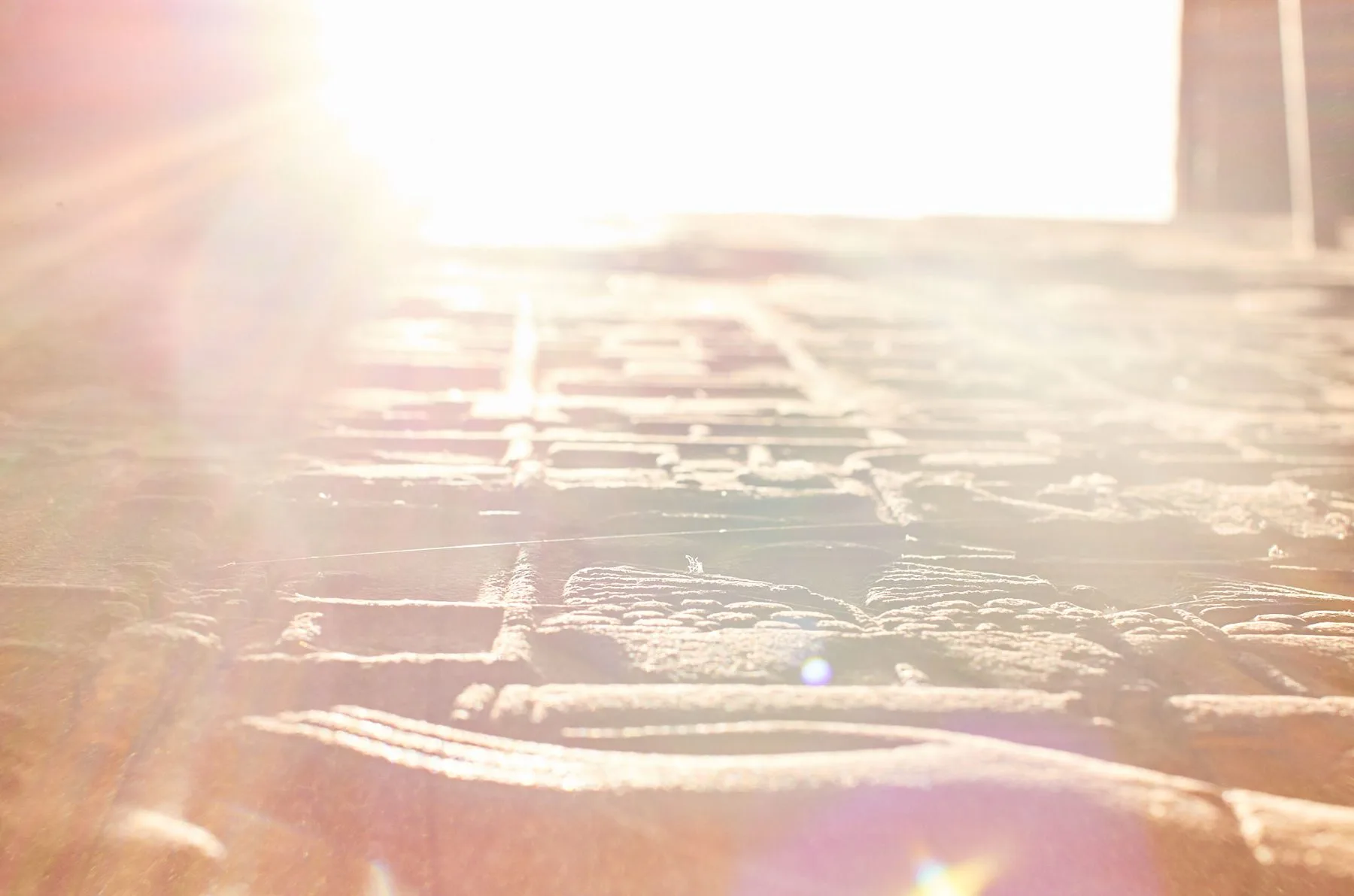
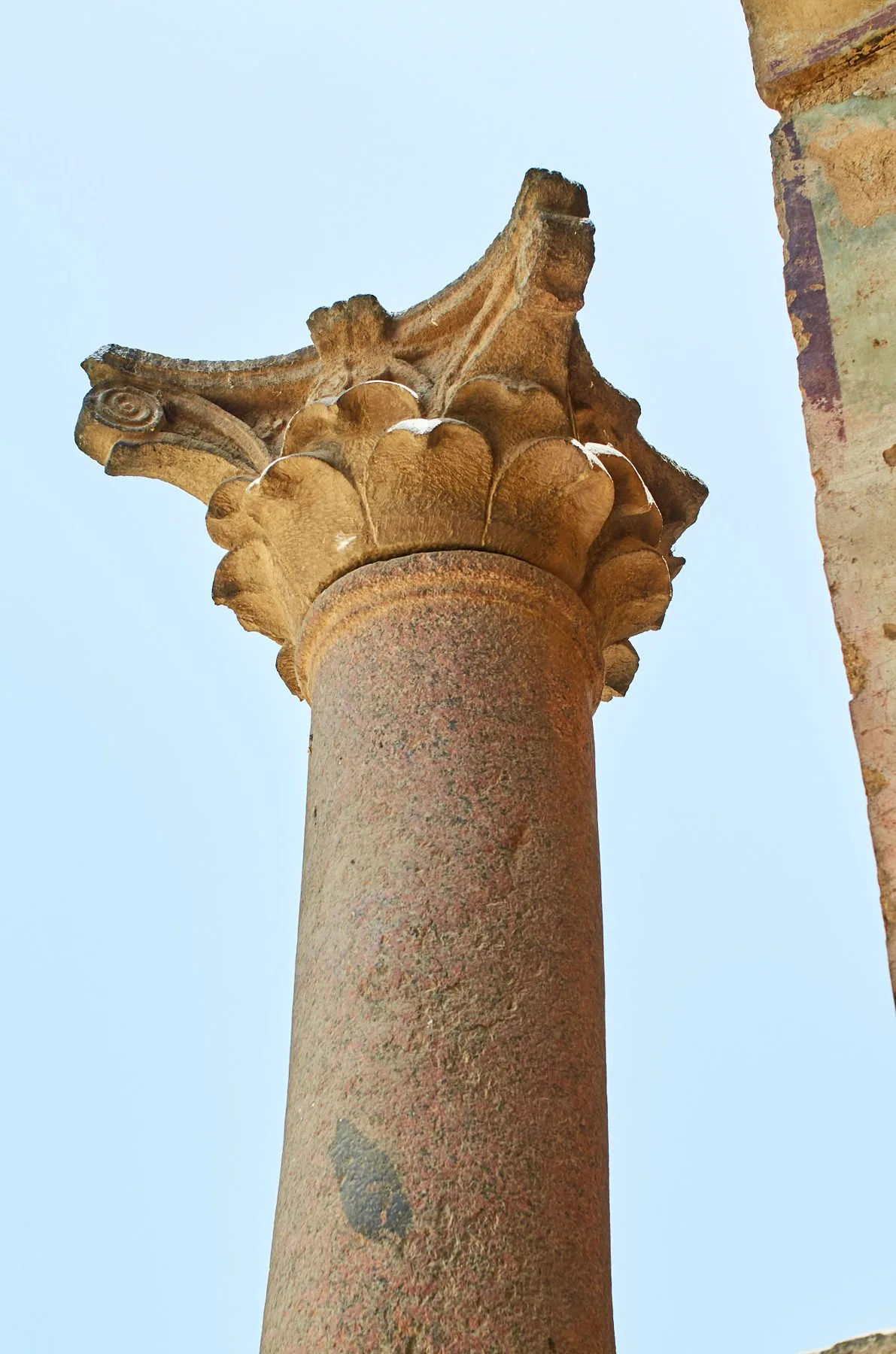
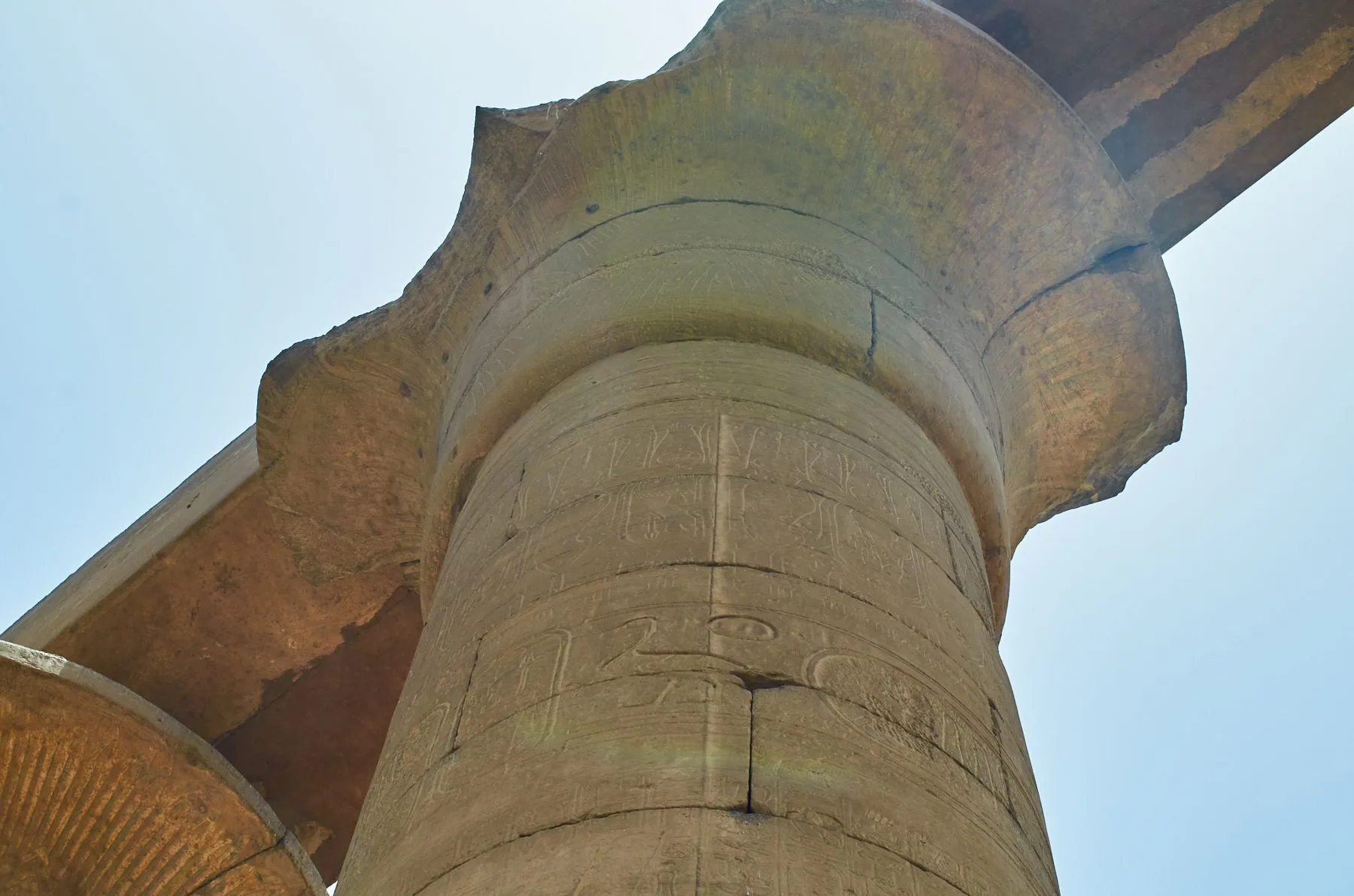
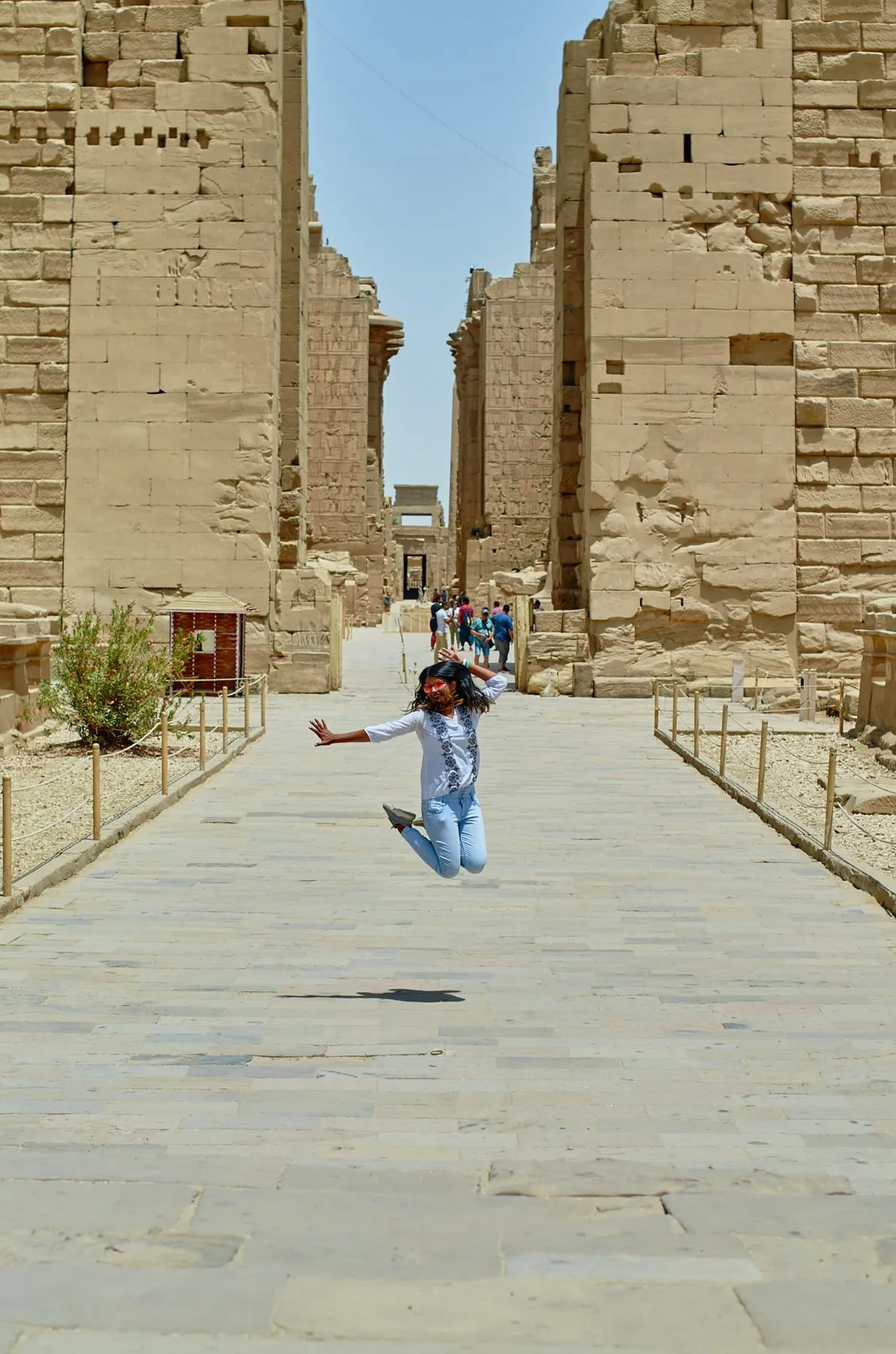
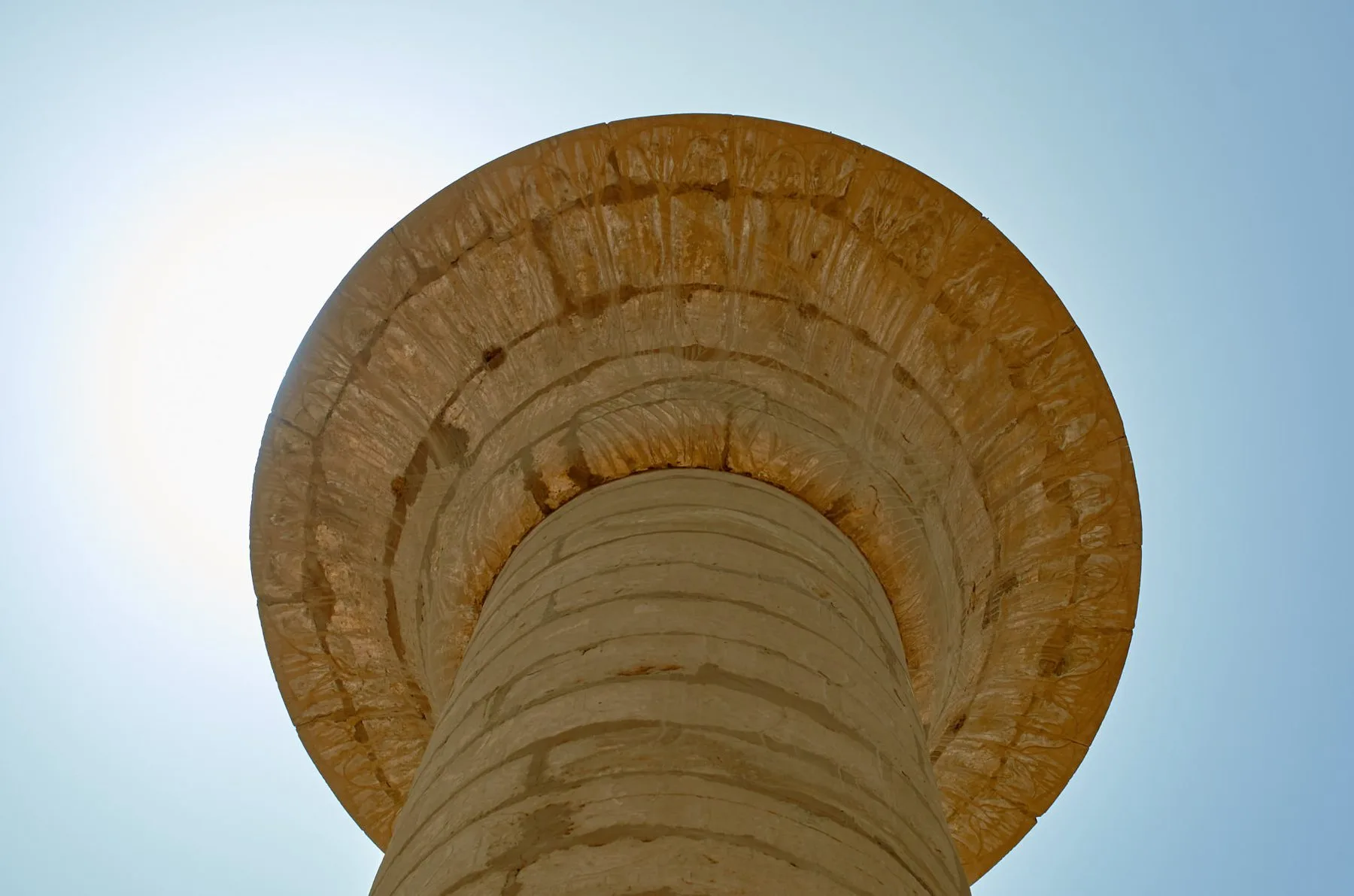
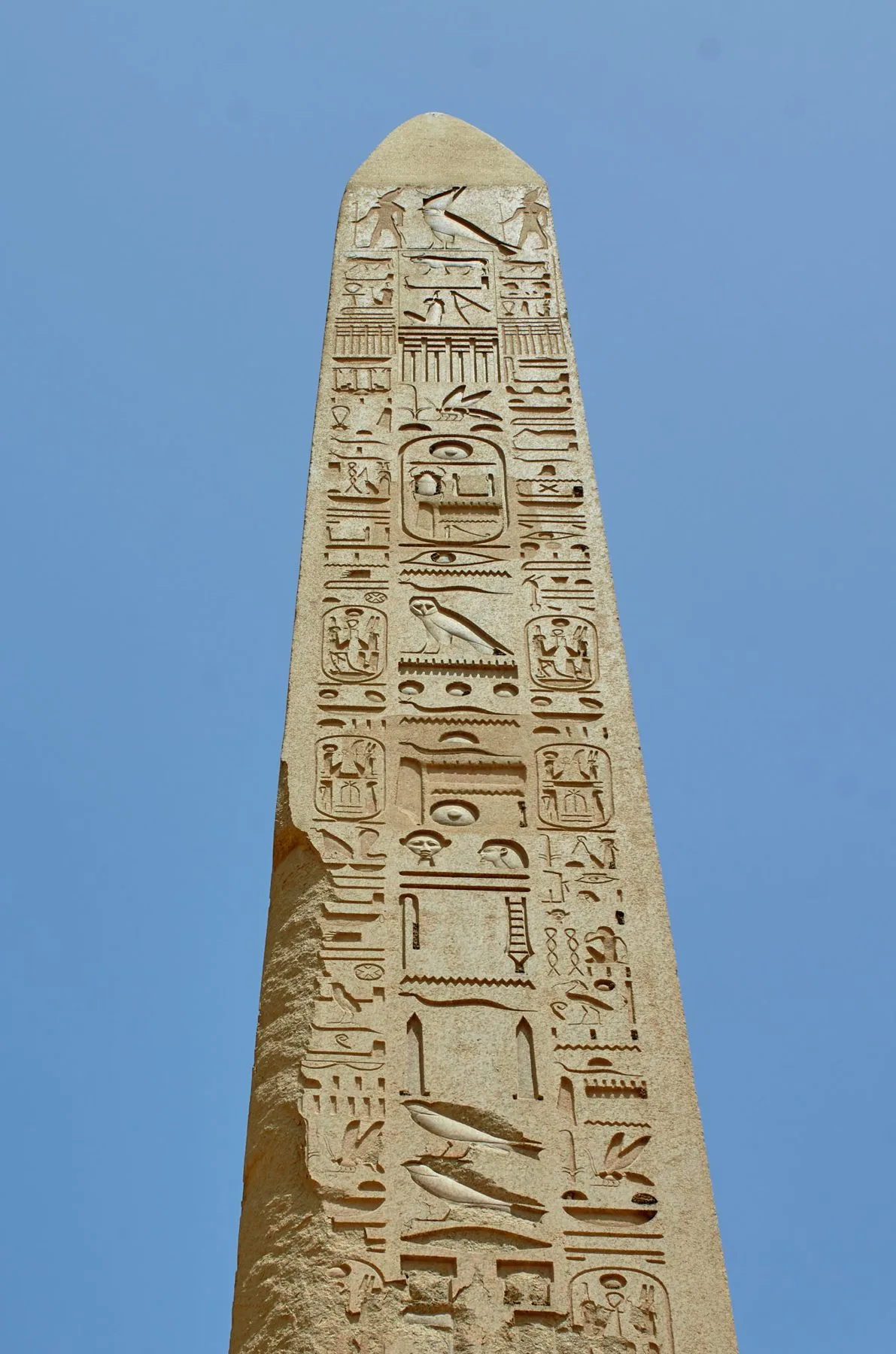
Karnak is not a building, it is a forest, columns thick as sequoias, an avenue of rams, a fallen face the size of a car. You do not tour it so much as get lost in it.
On the Water
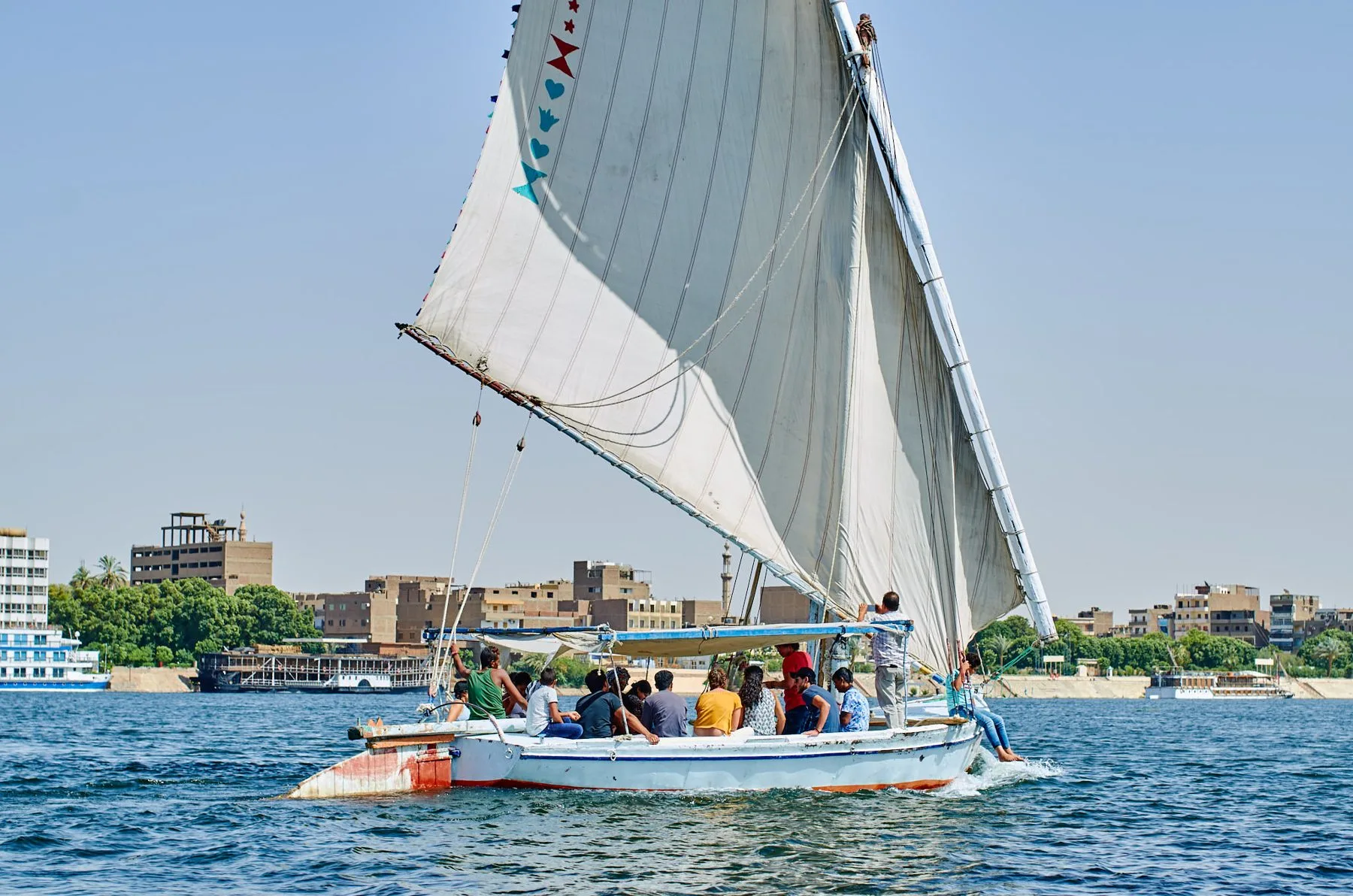
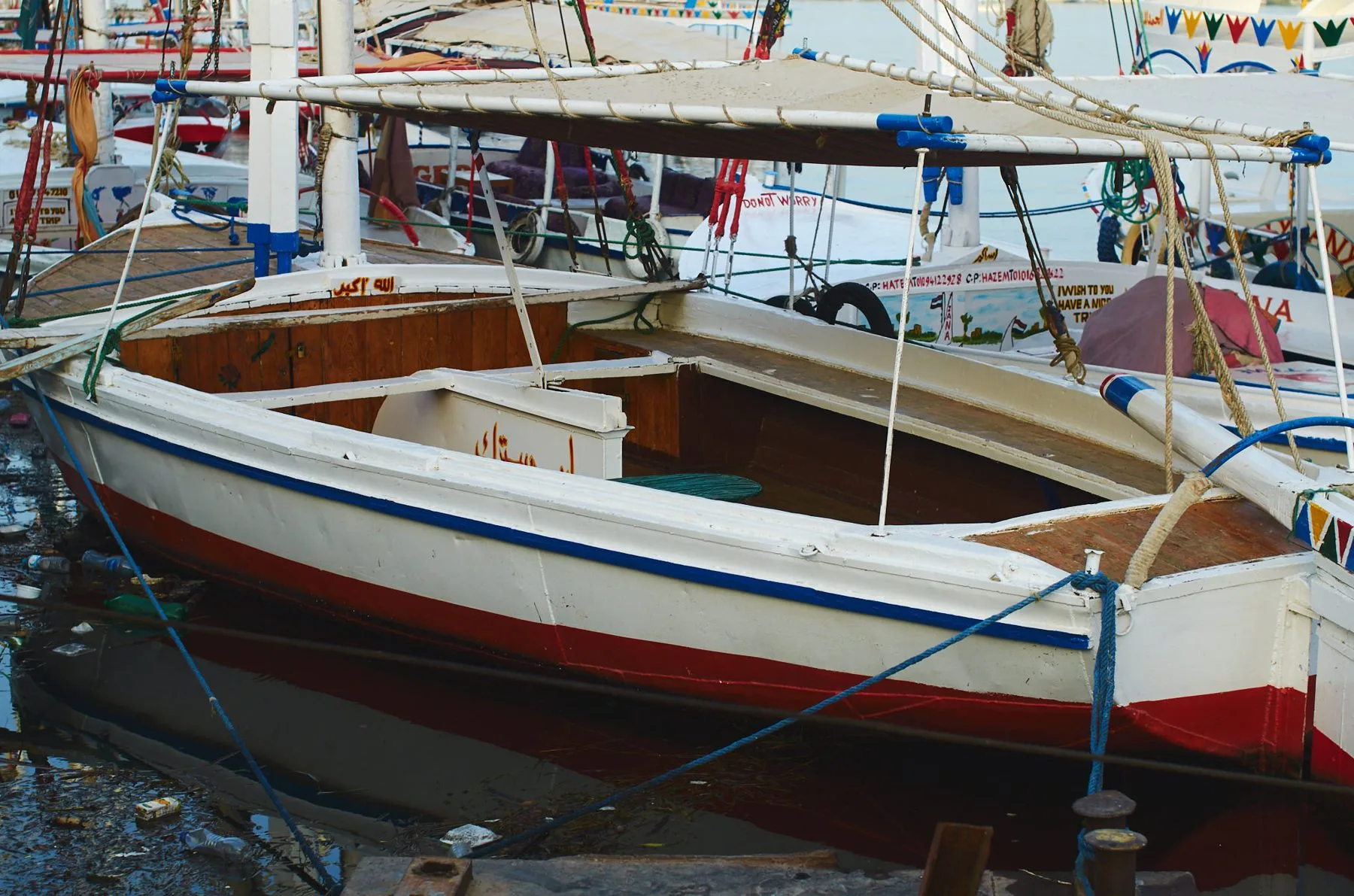
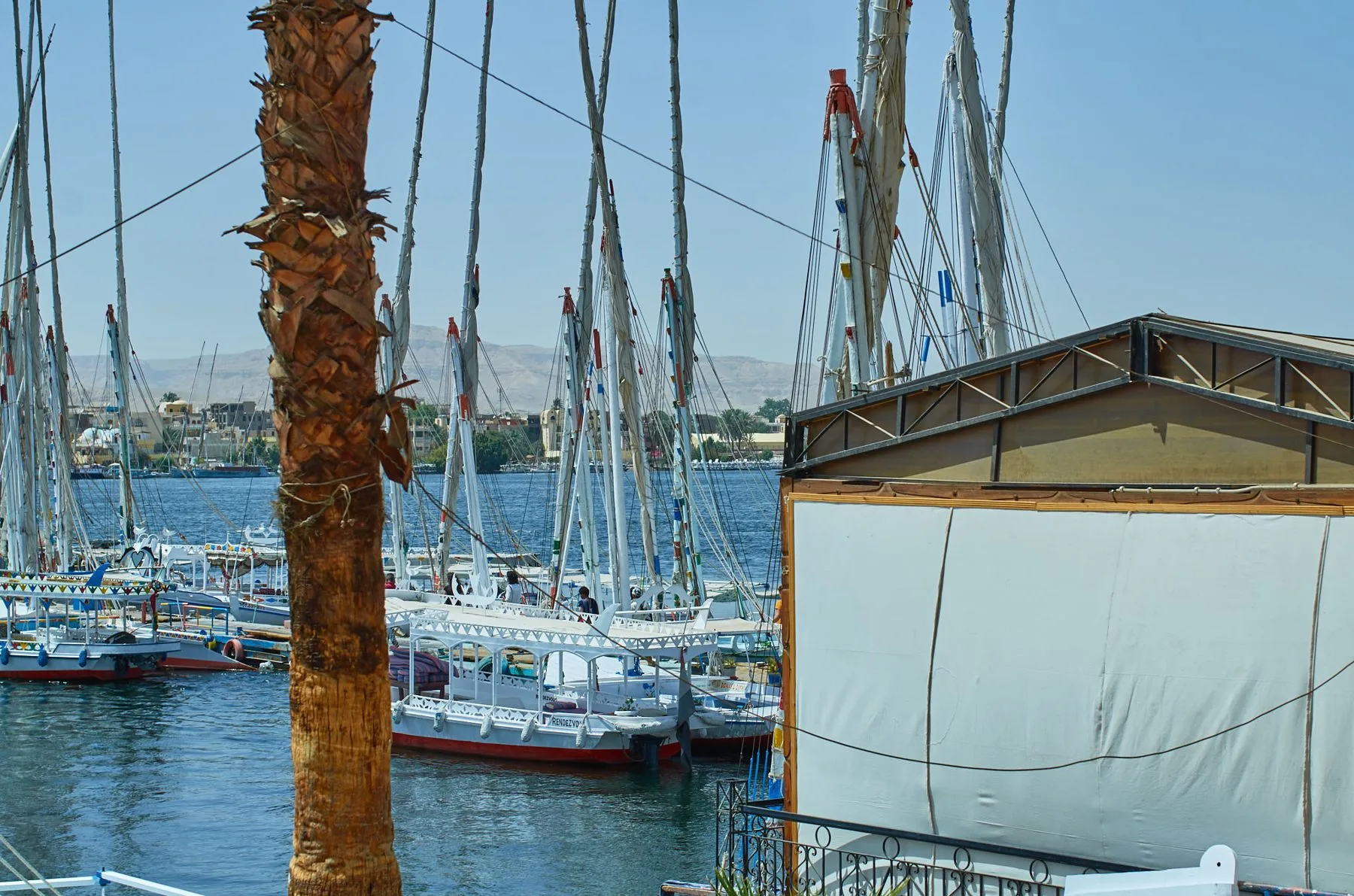
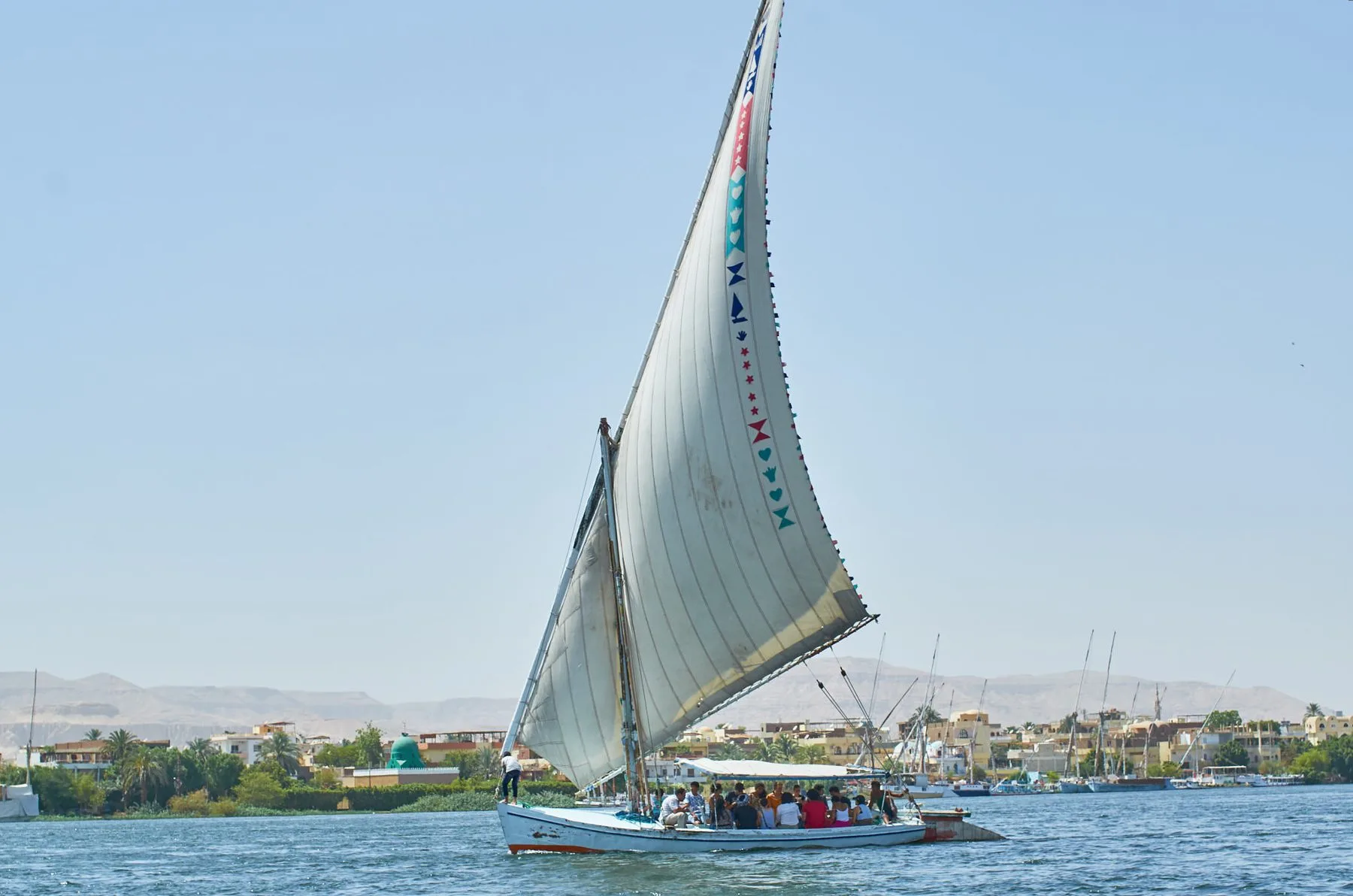
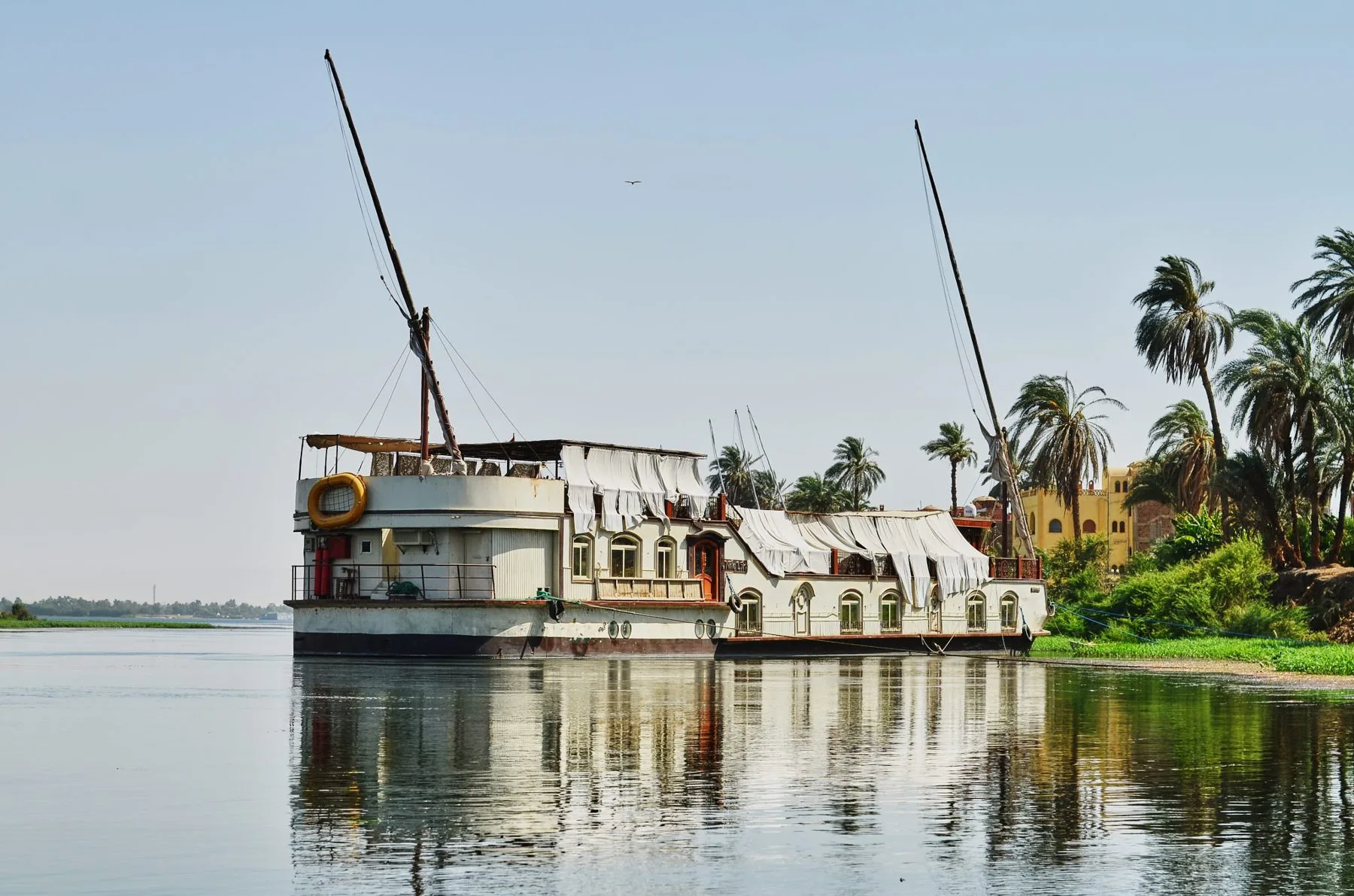
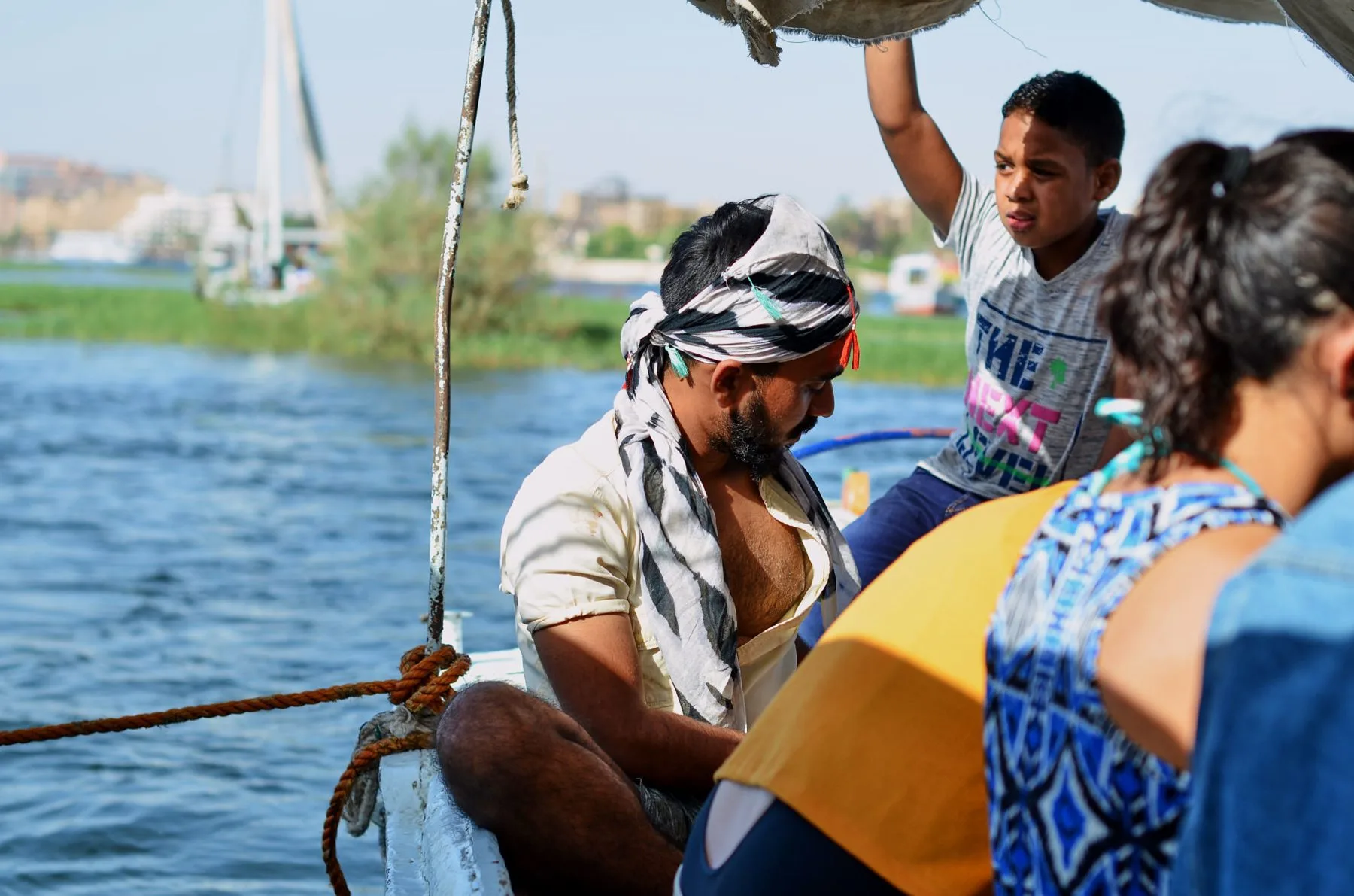
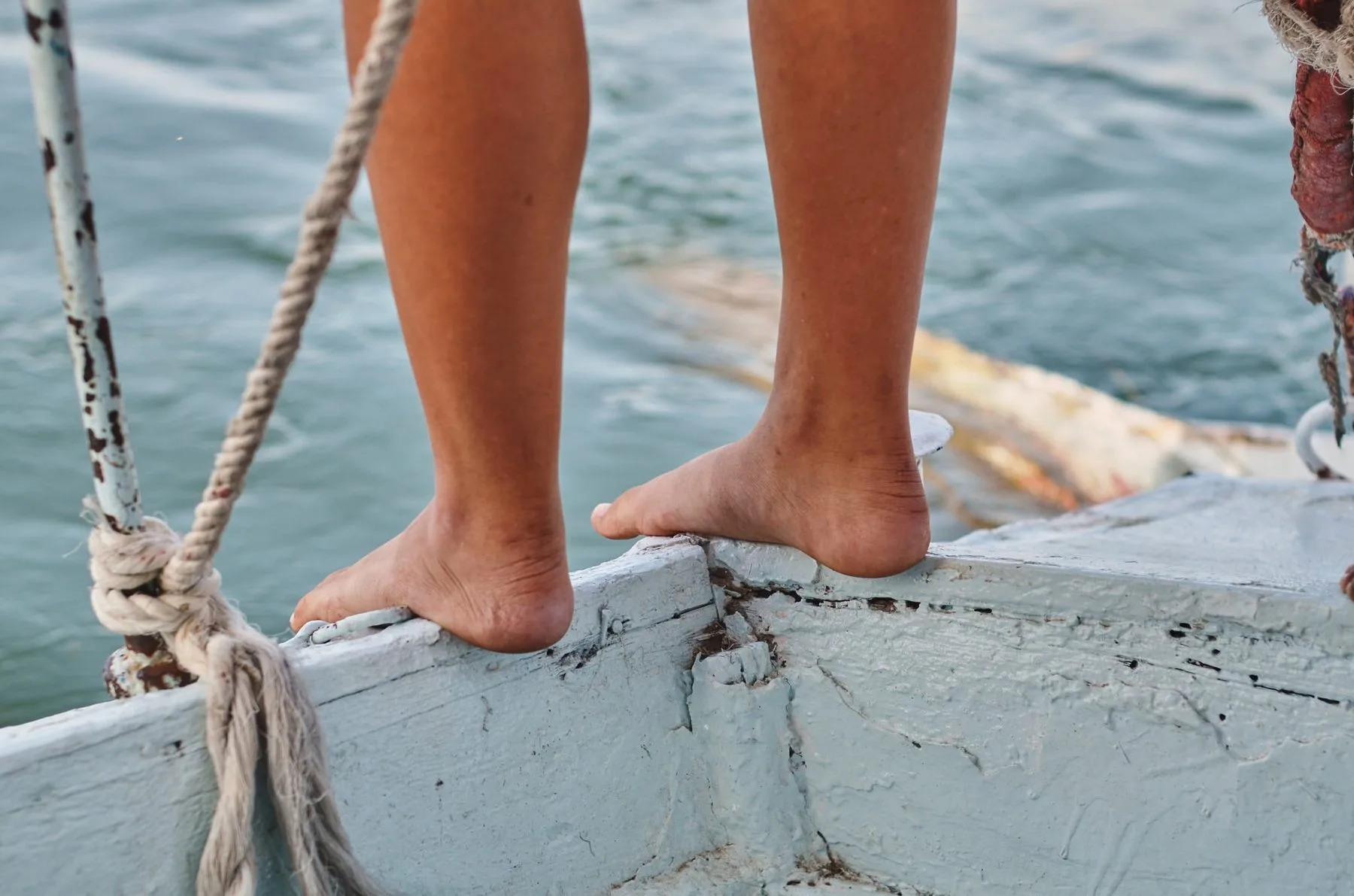
The sail goes up, the engine dies, and suddenly there is nothing to do but drift. This is the Nile at the speed it was always meant to be taken.



The Faces
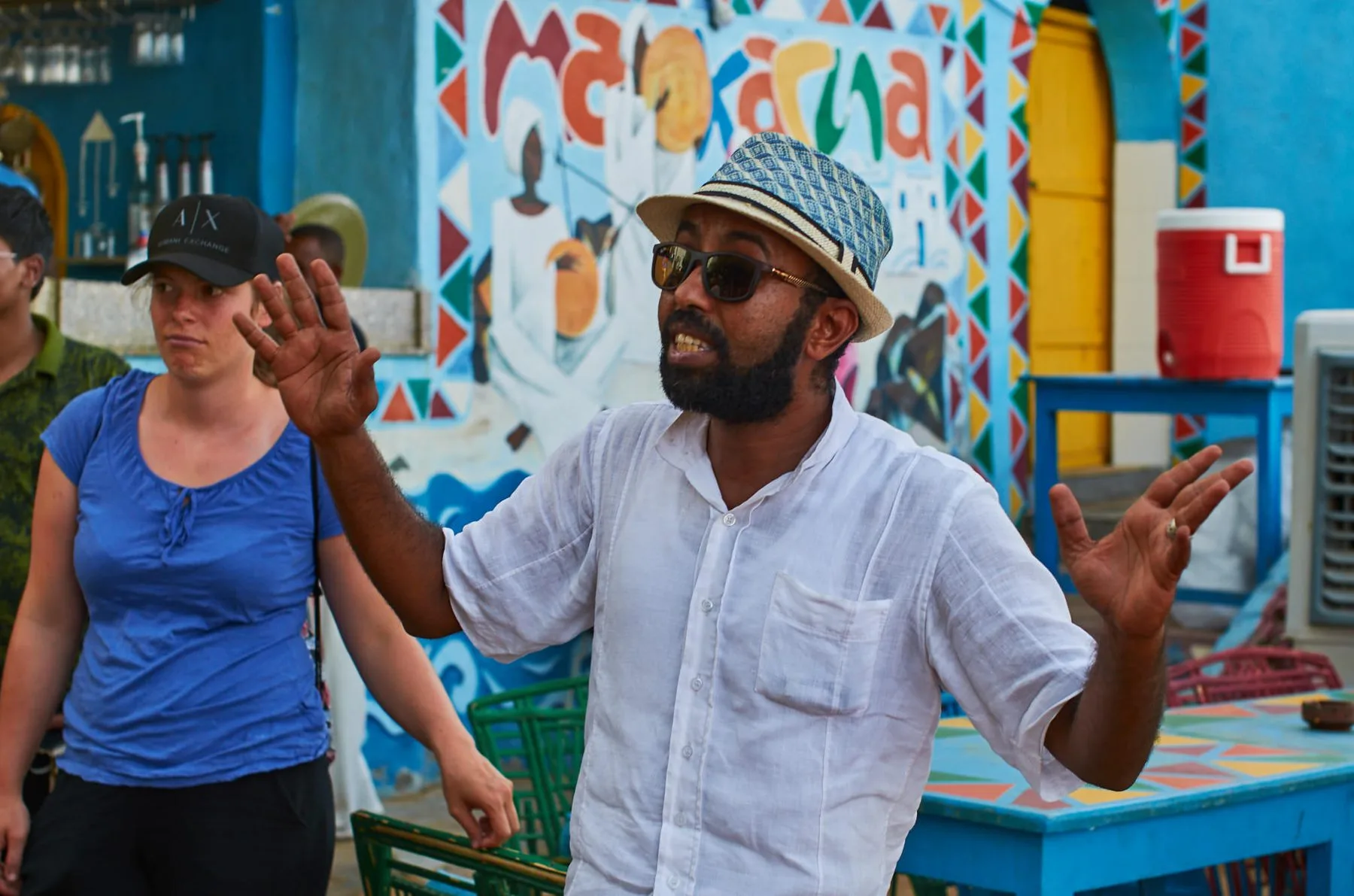
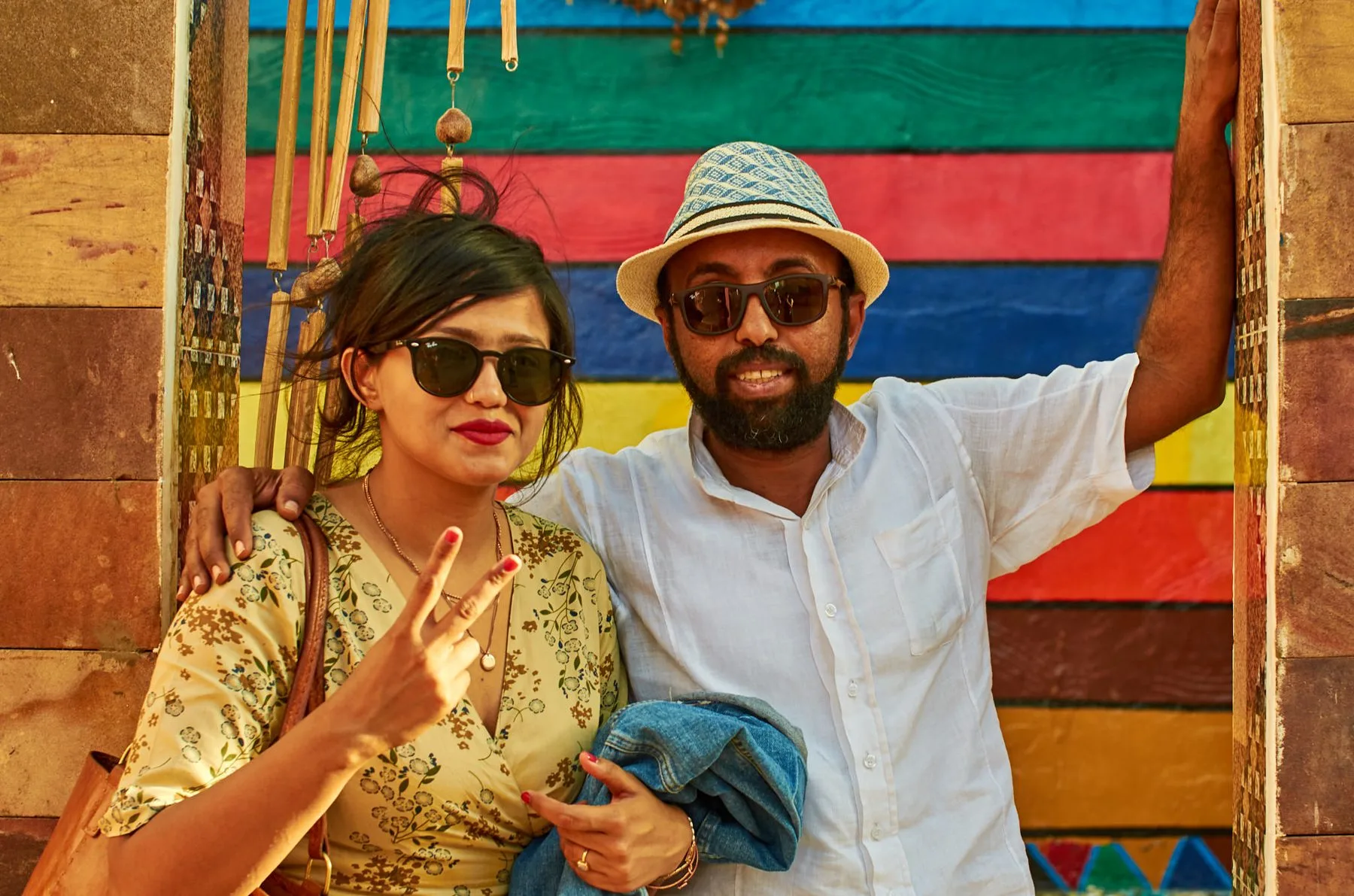
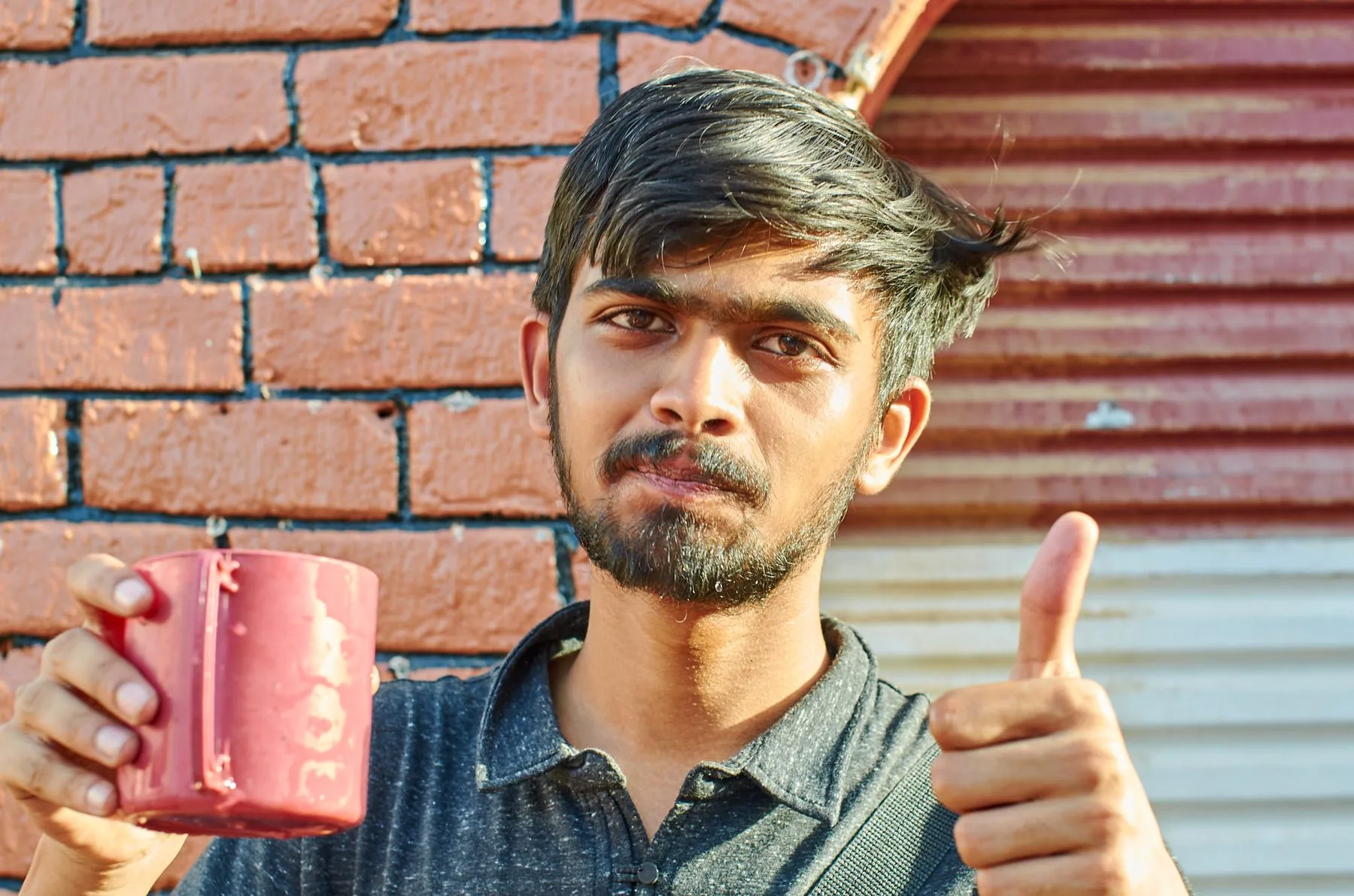
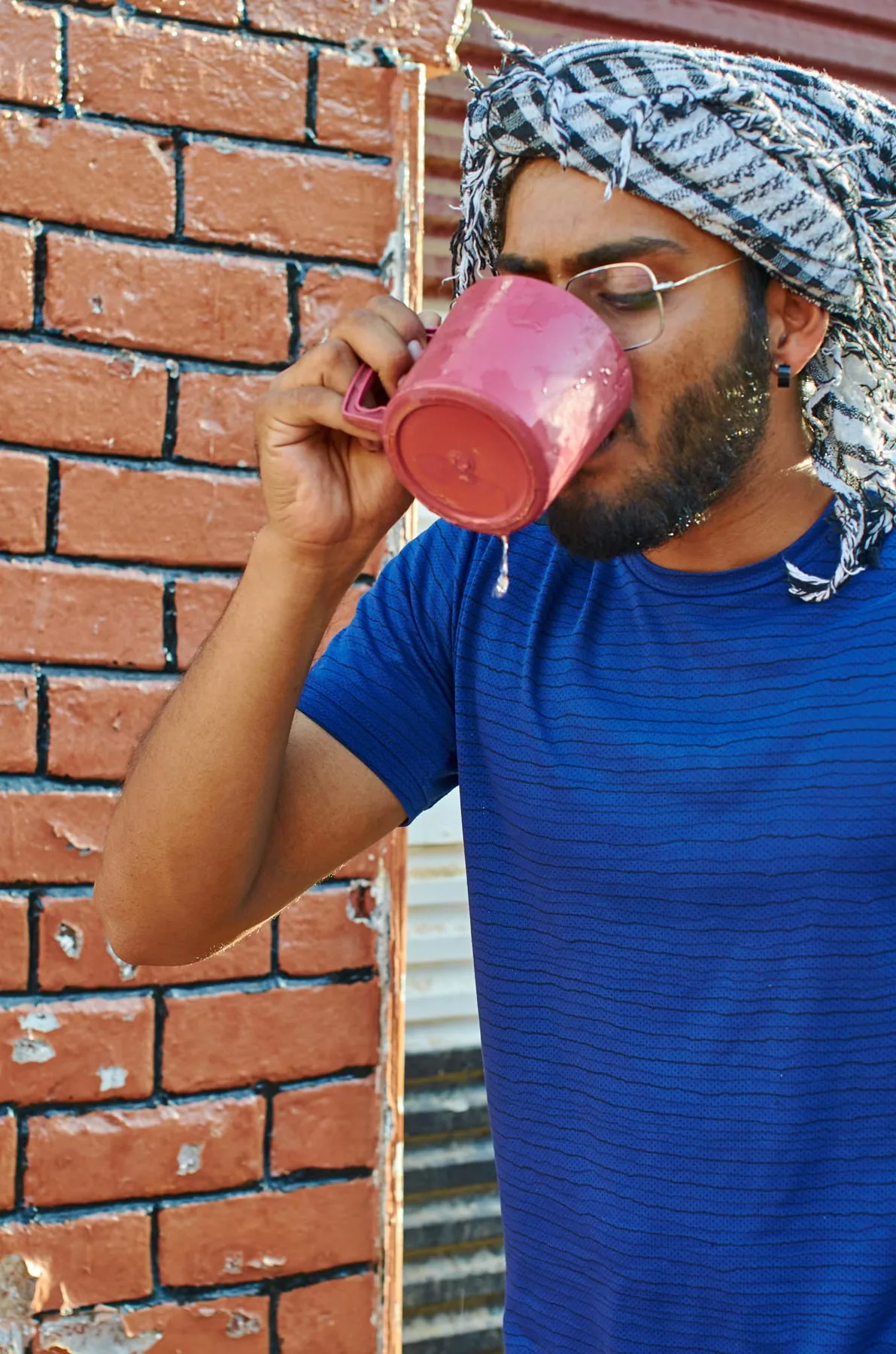
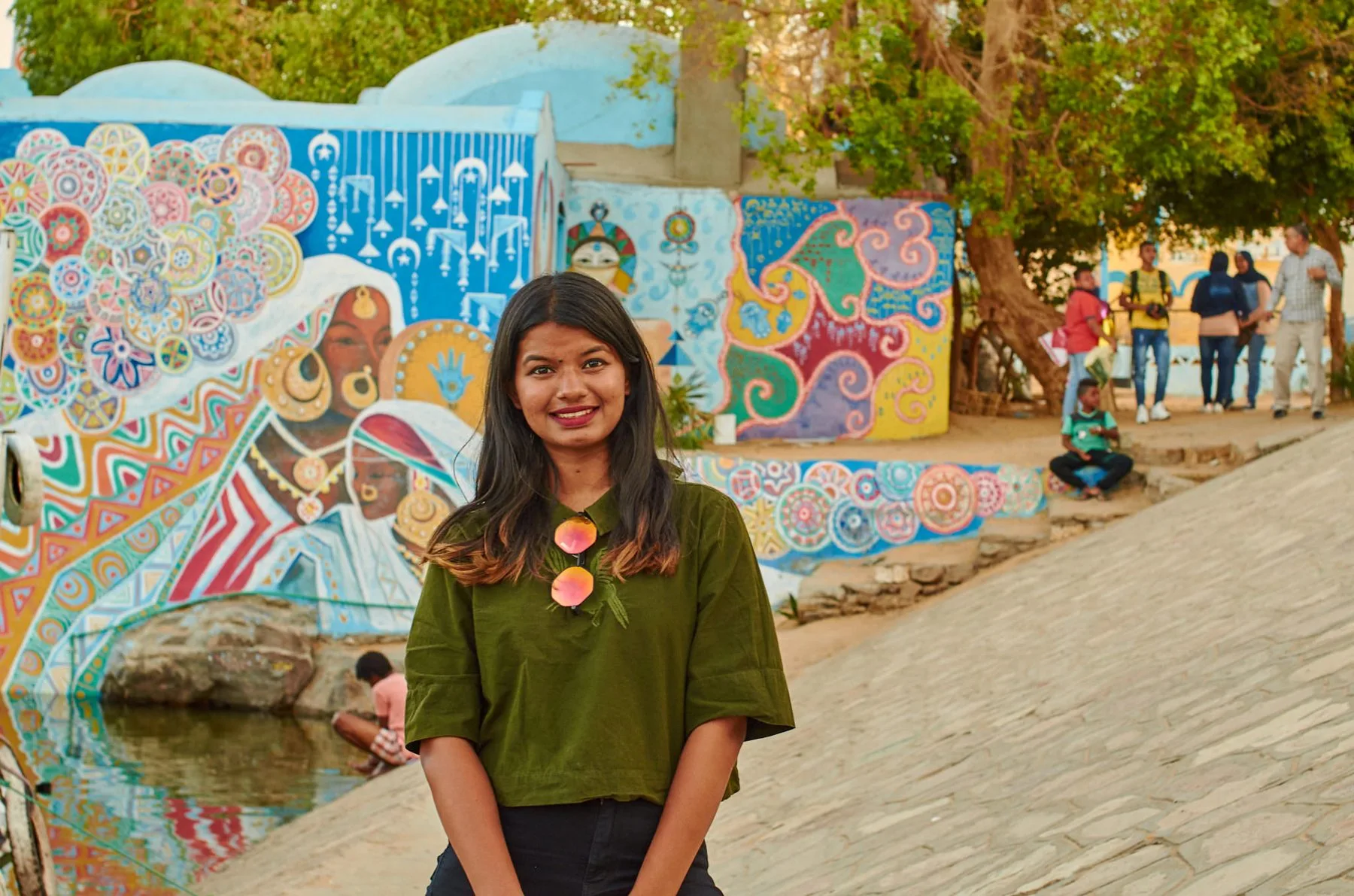
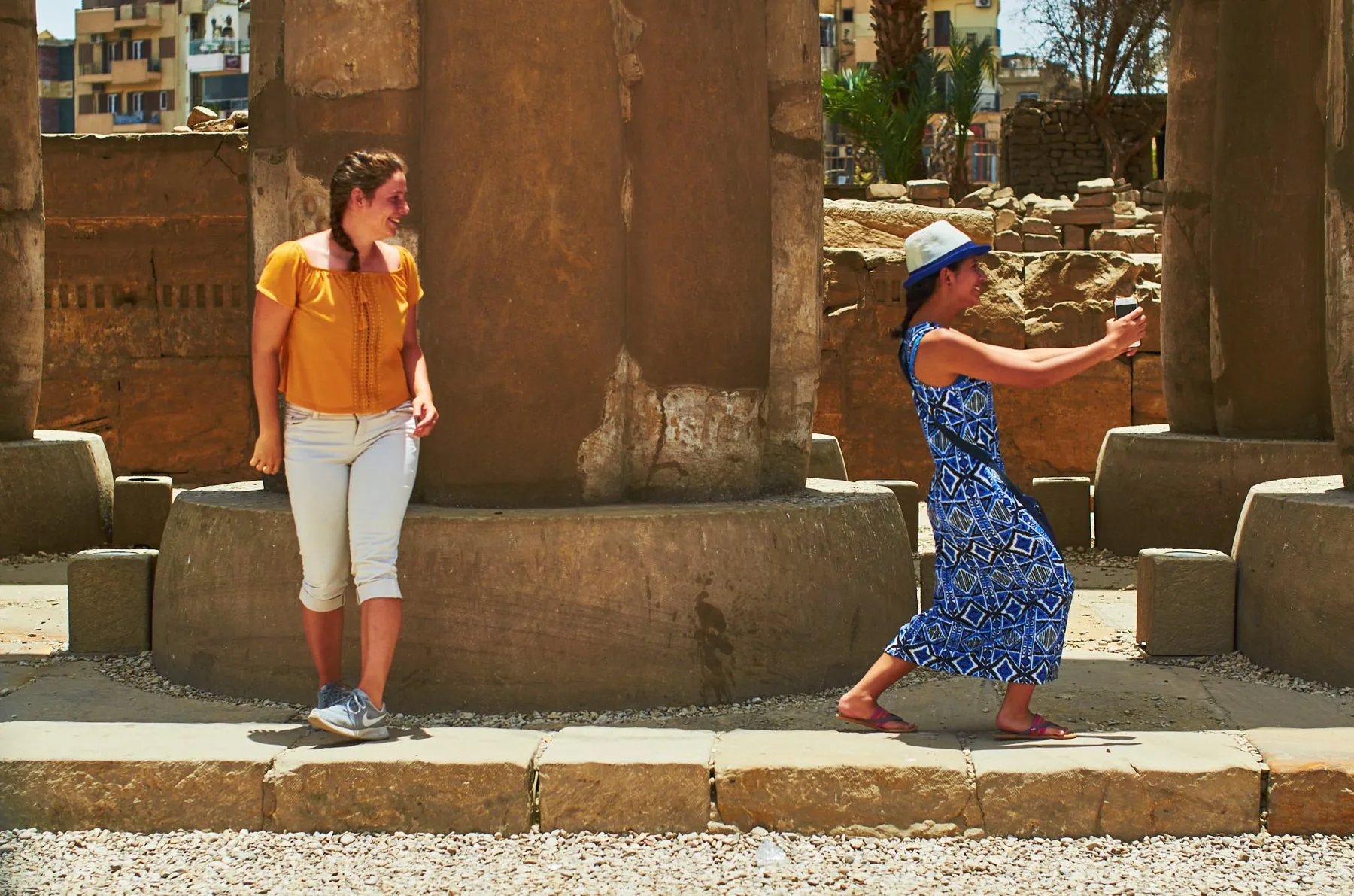
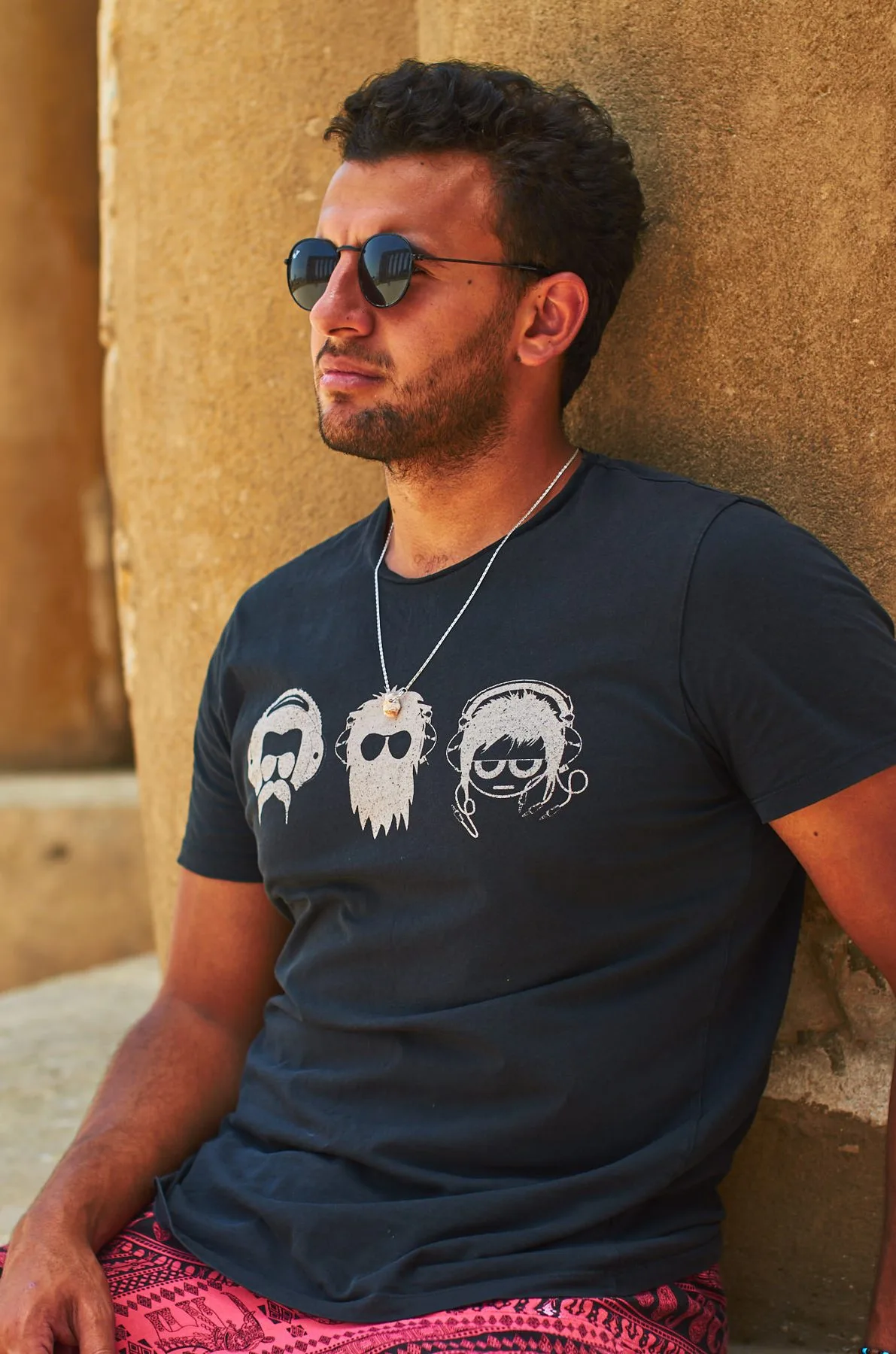
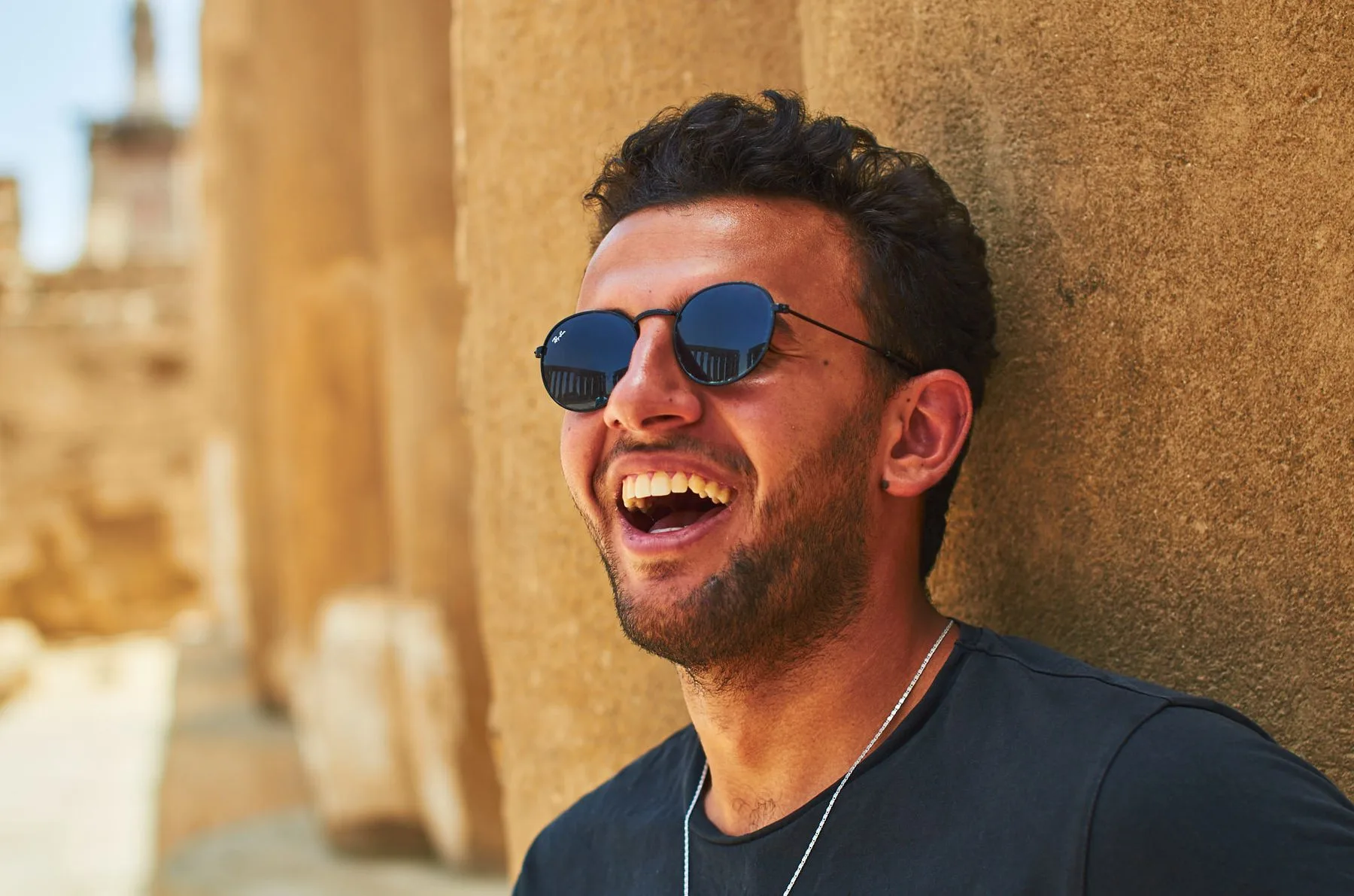
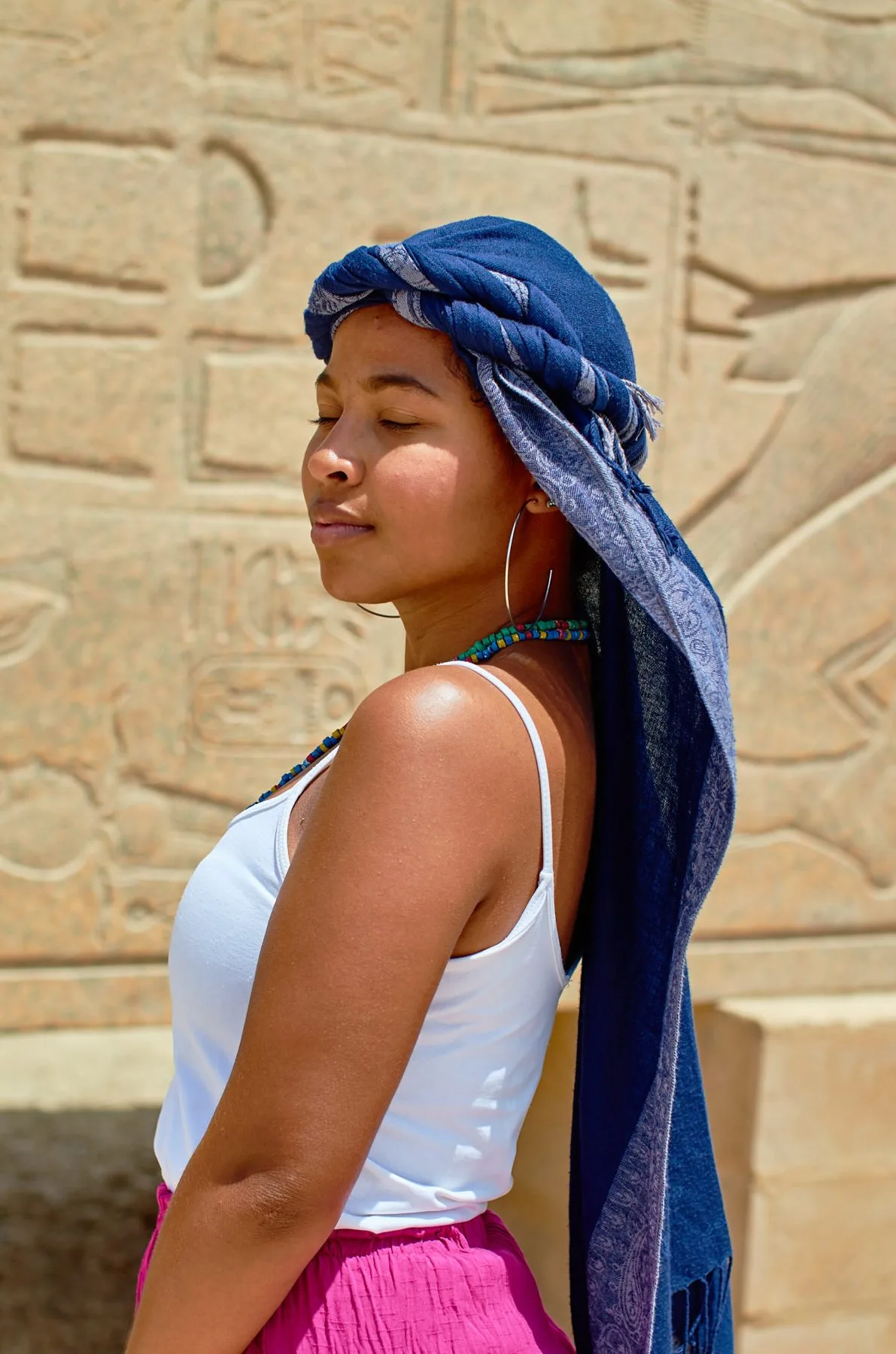
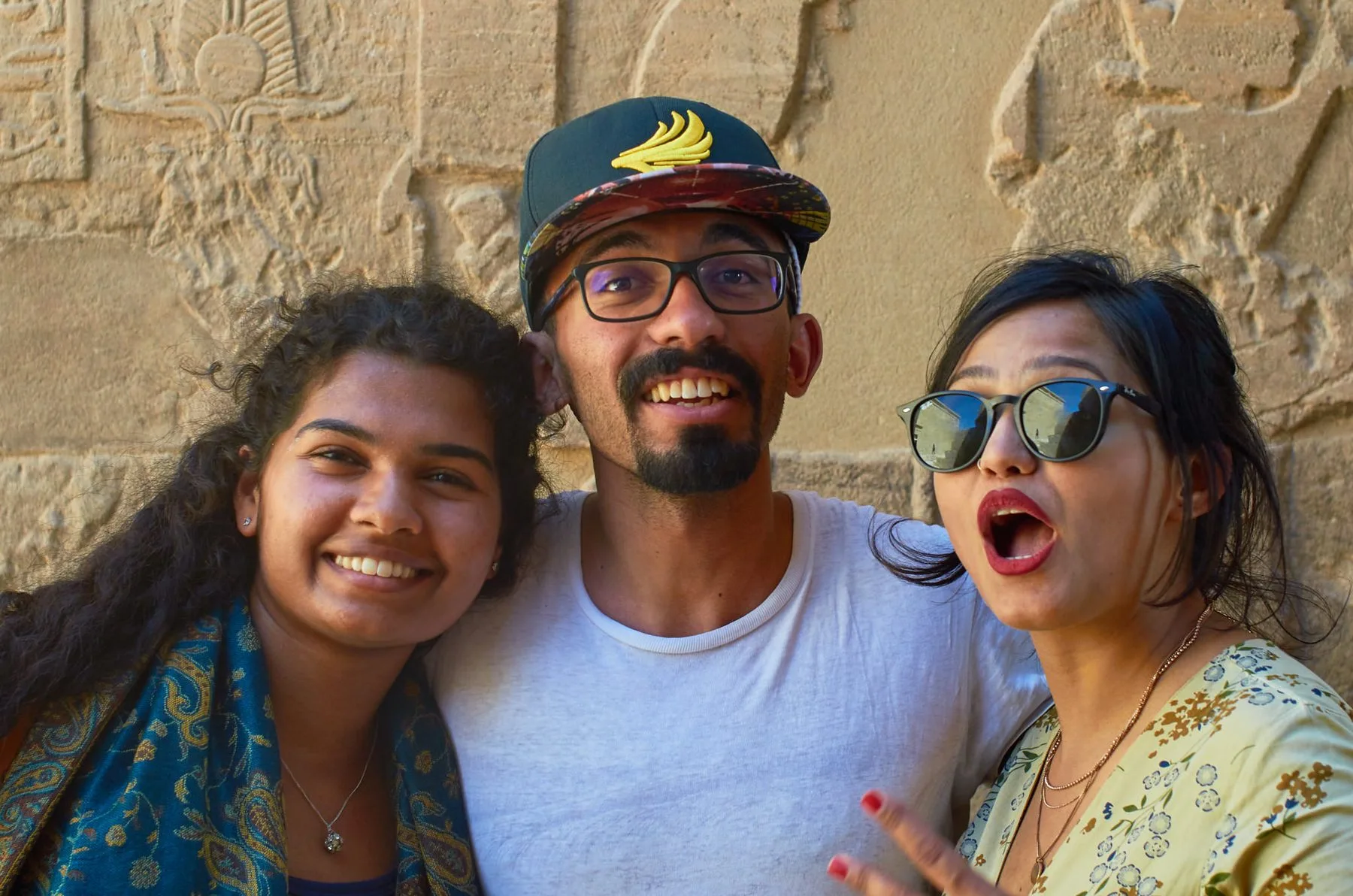
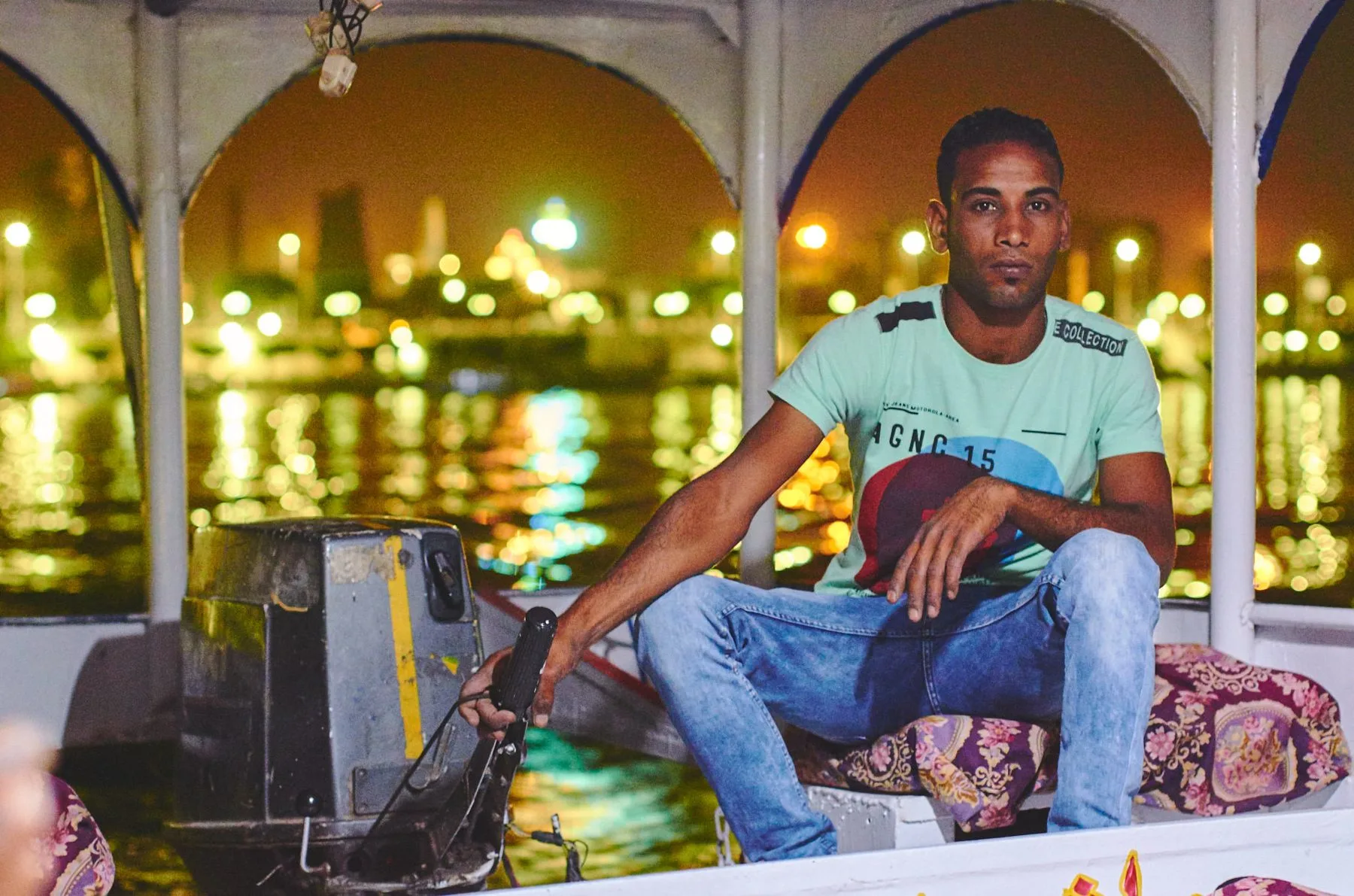
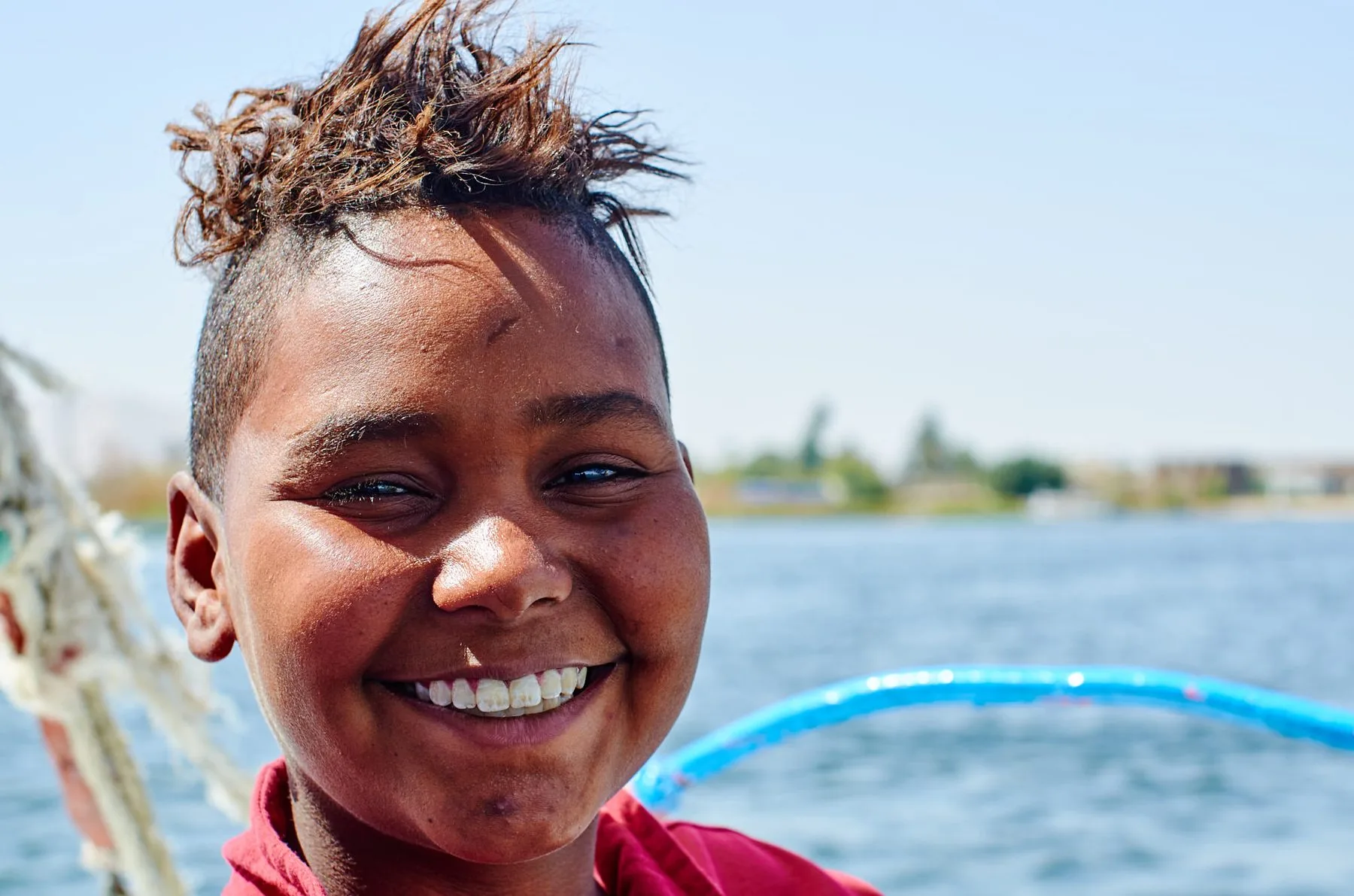
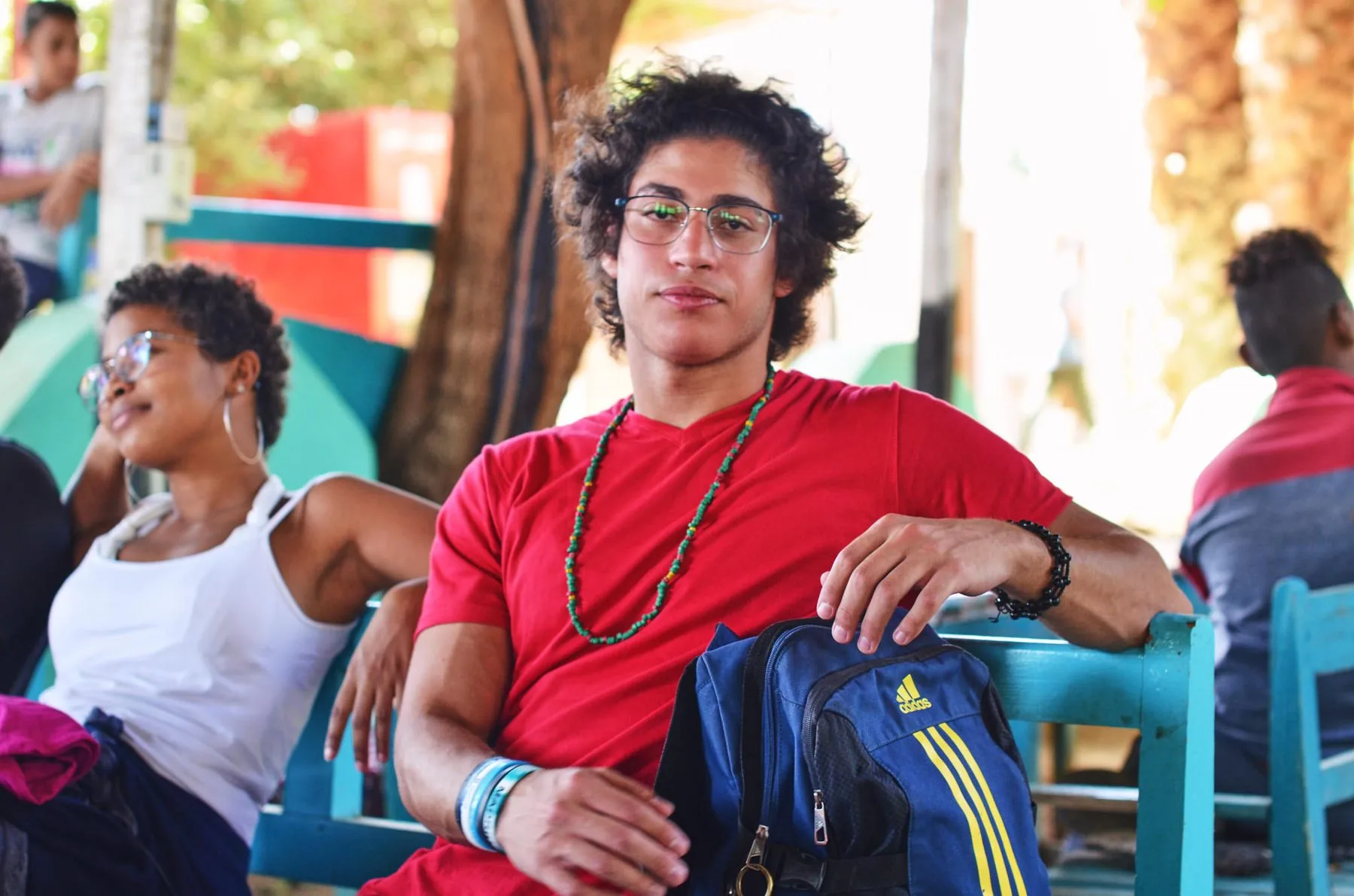
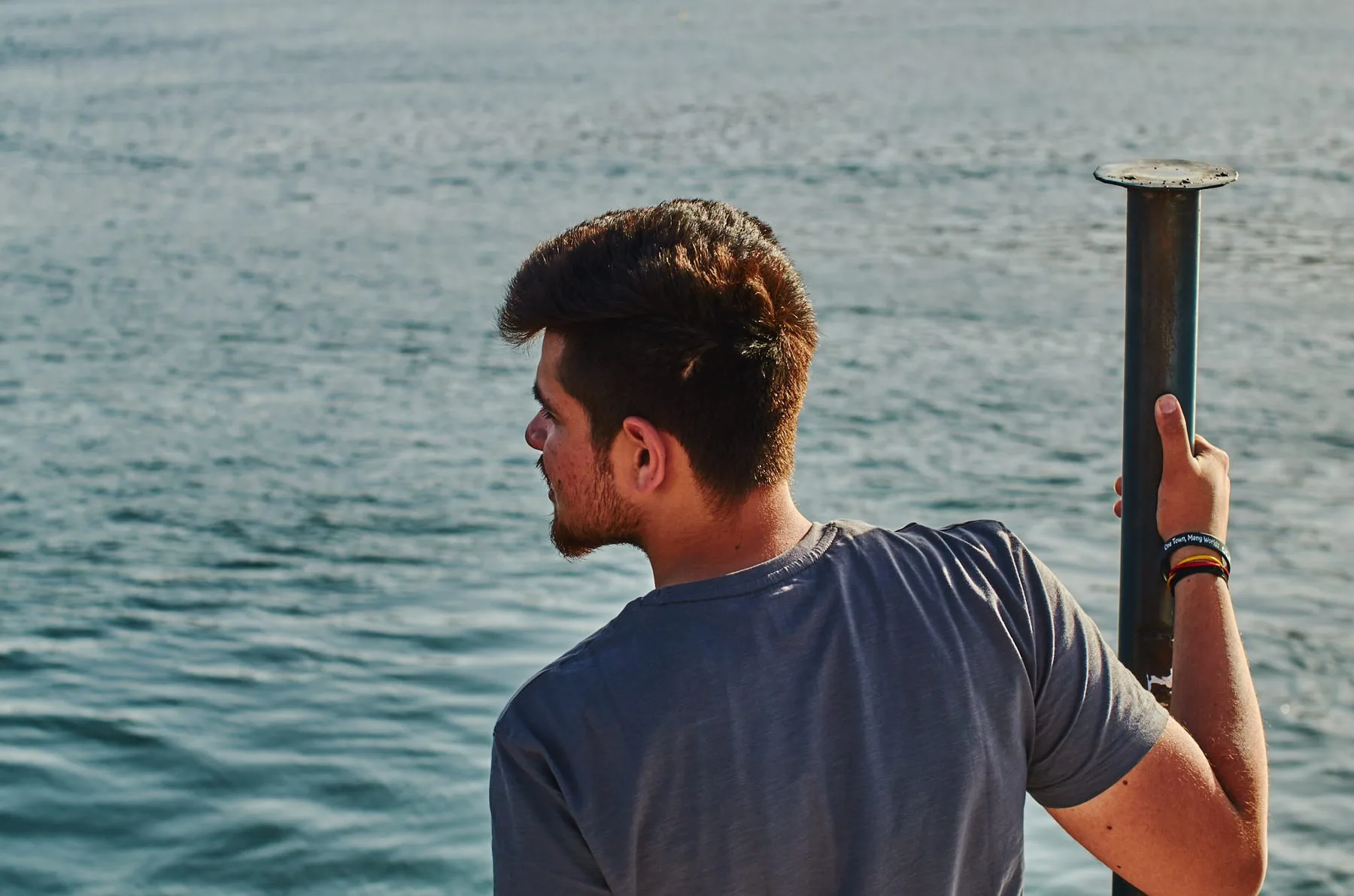
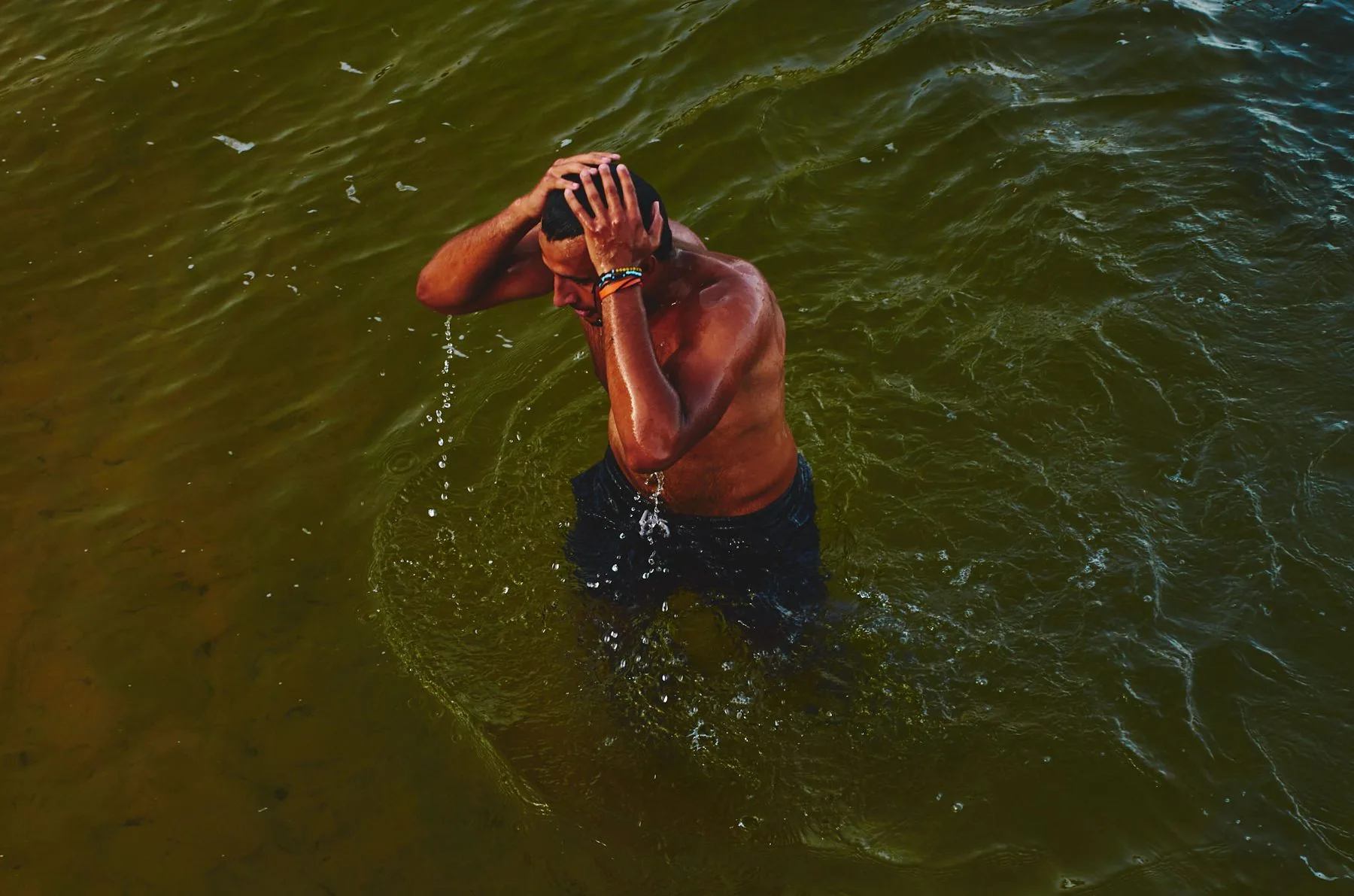
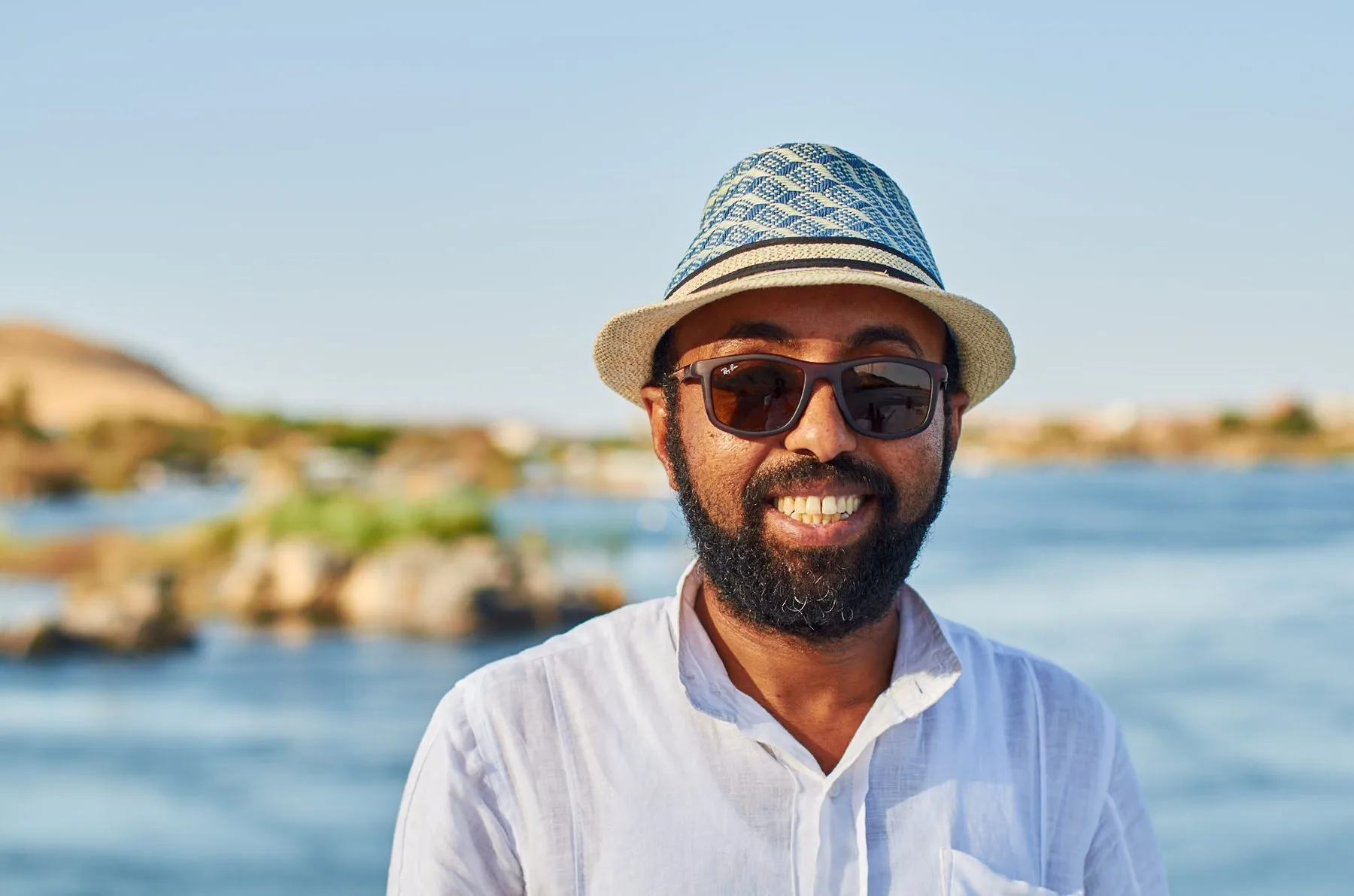
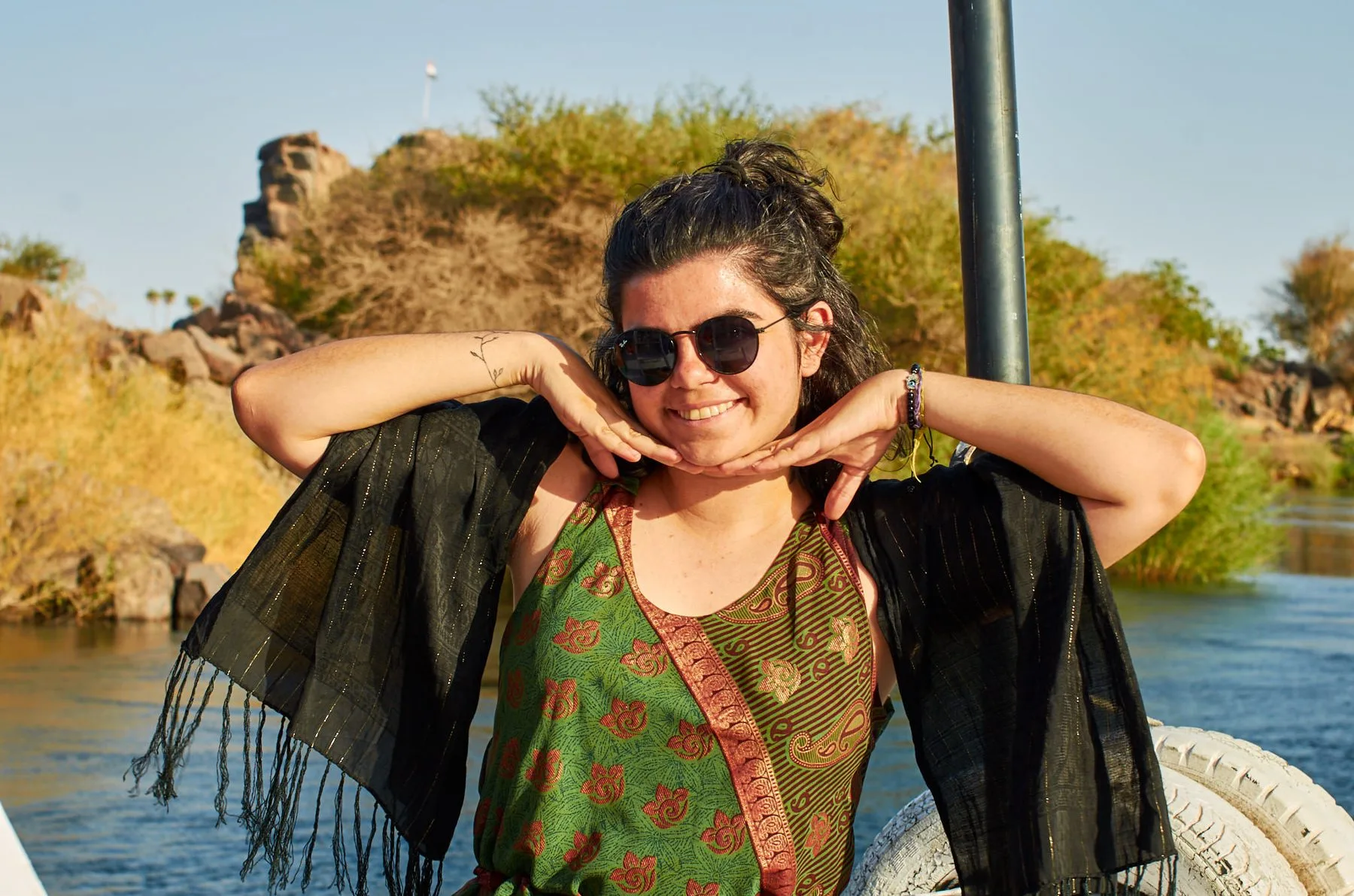
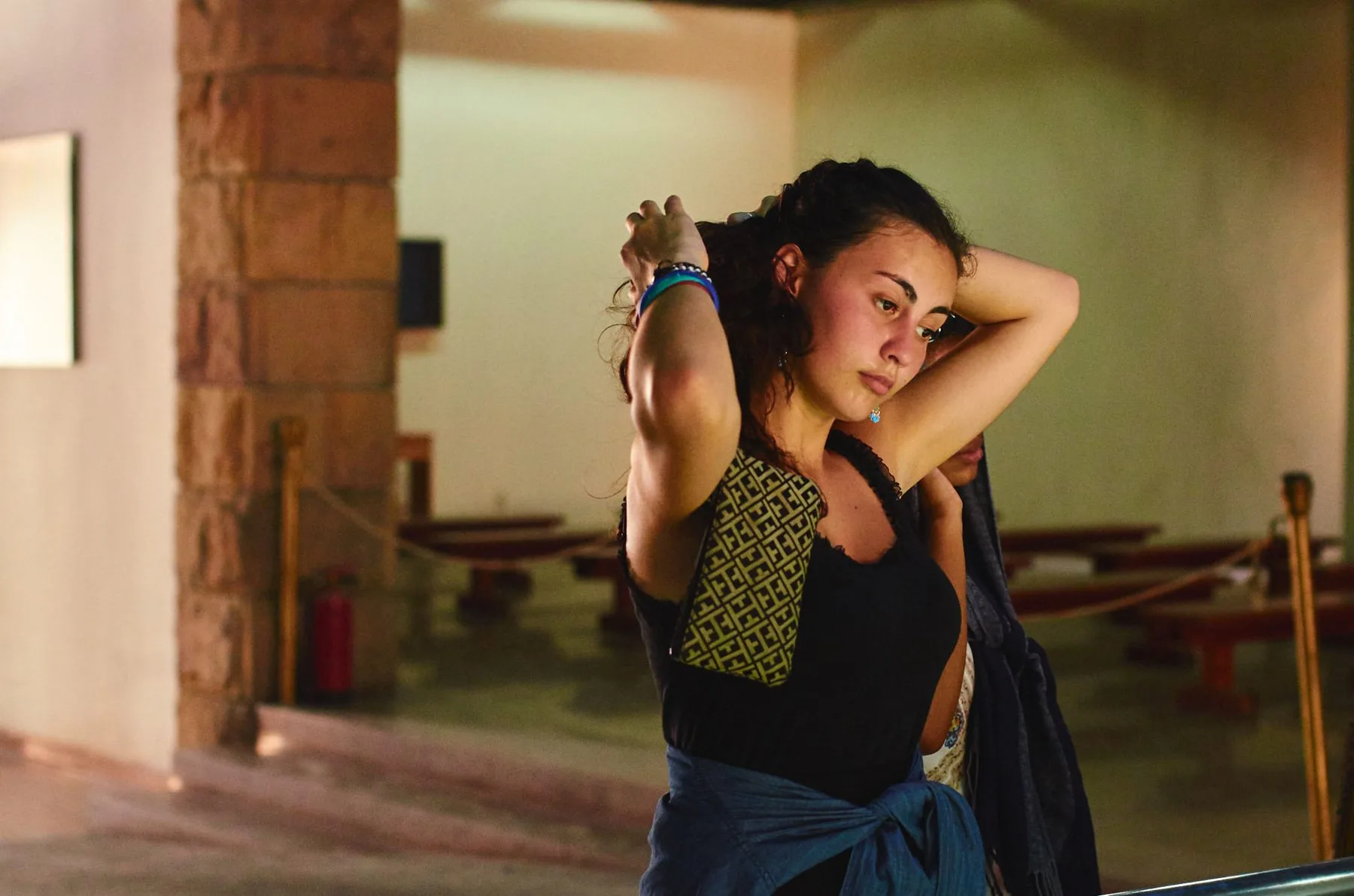
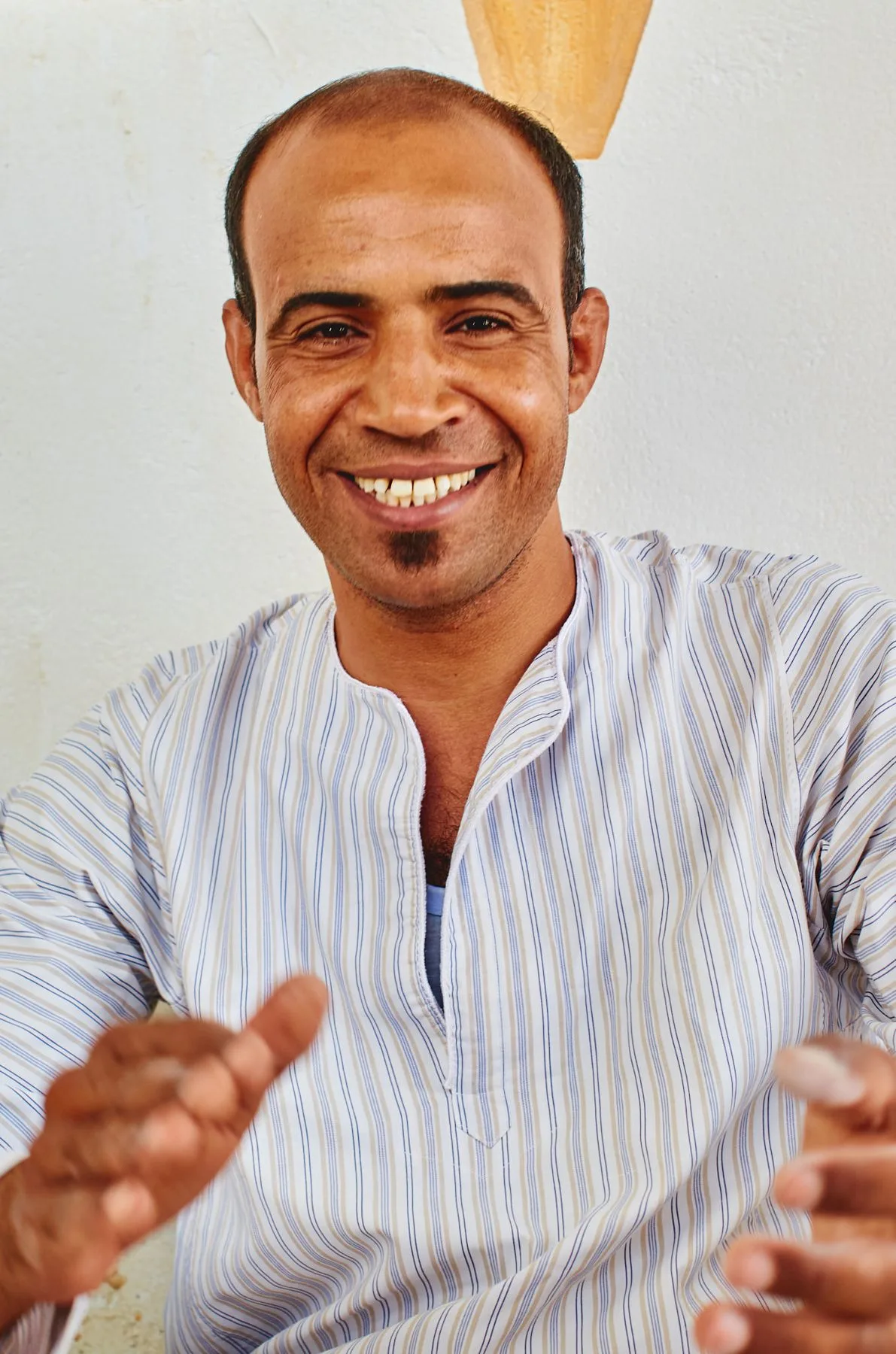
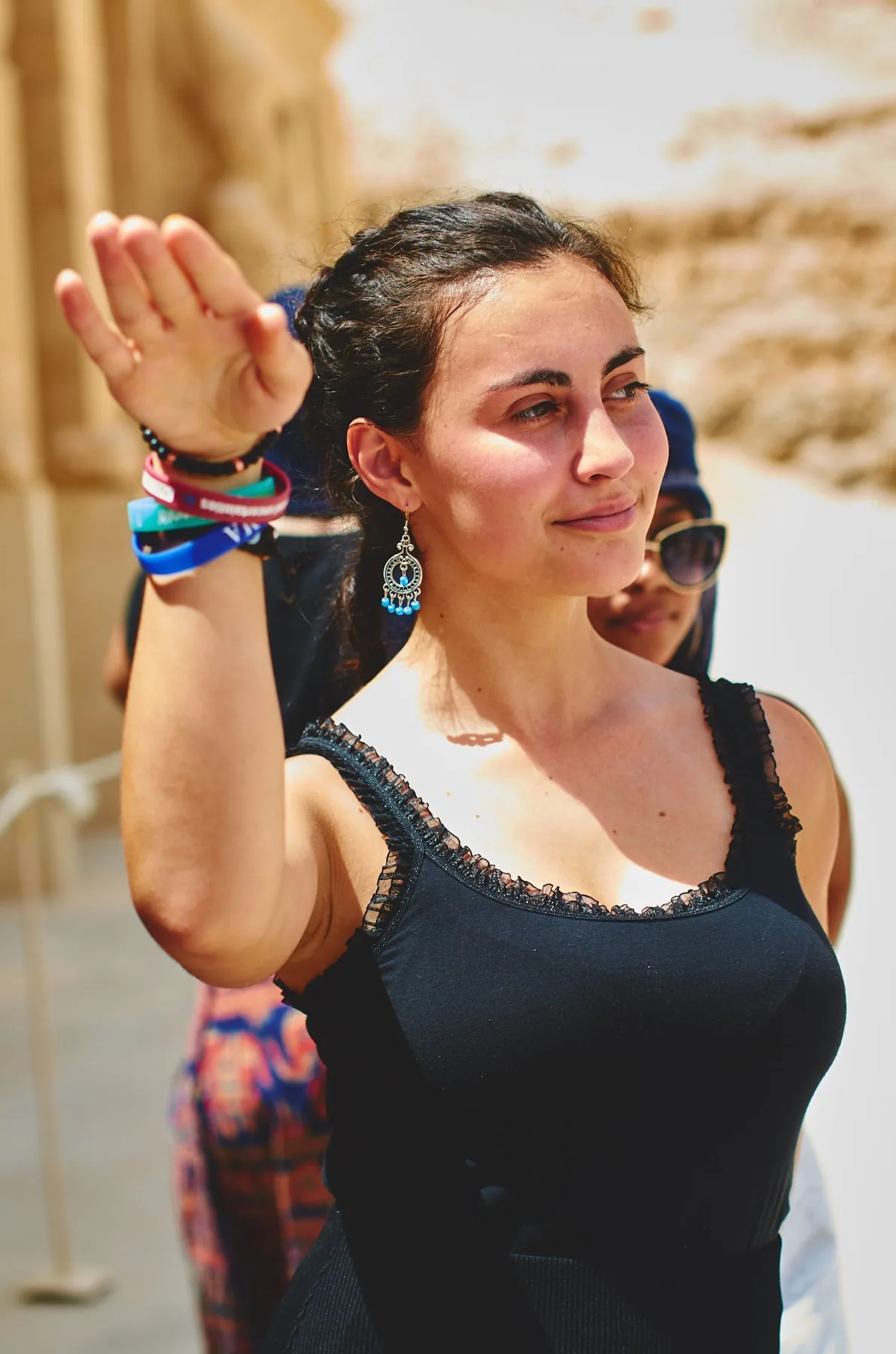
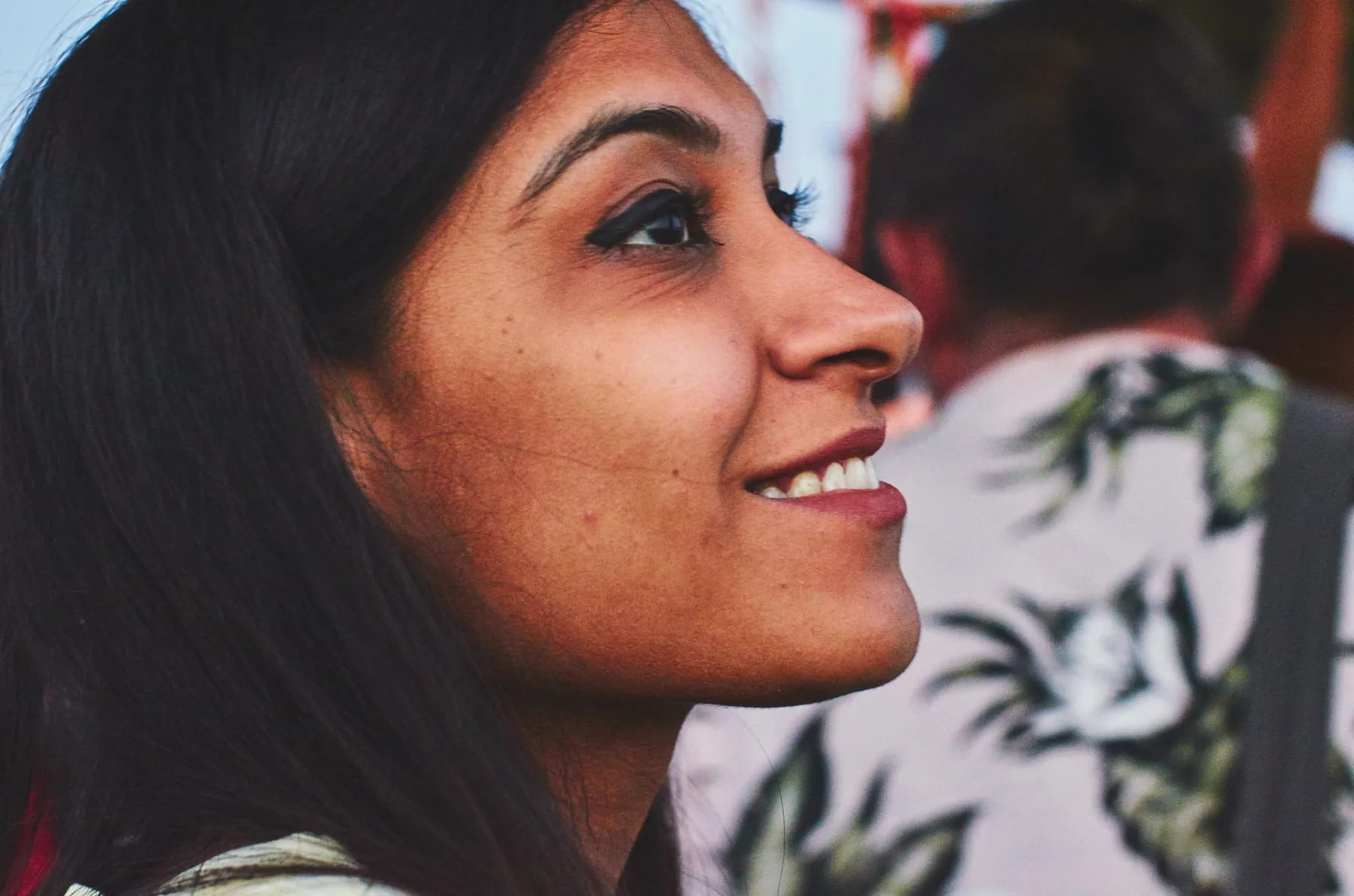
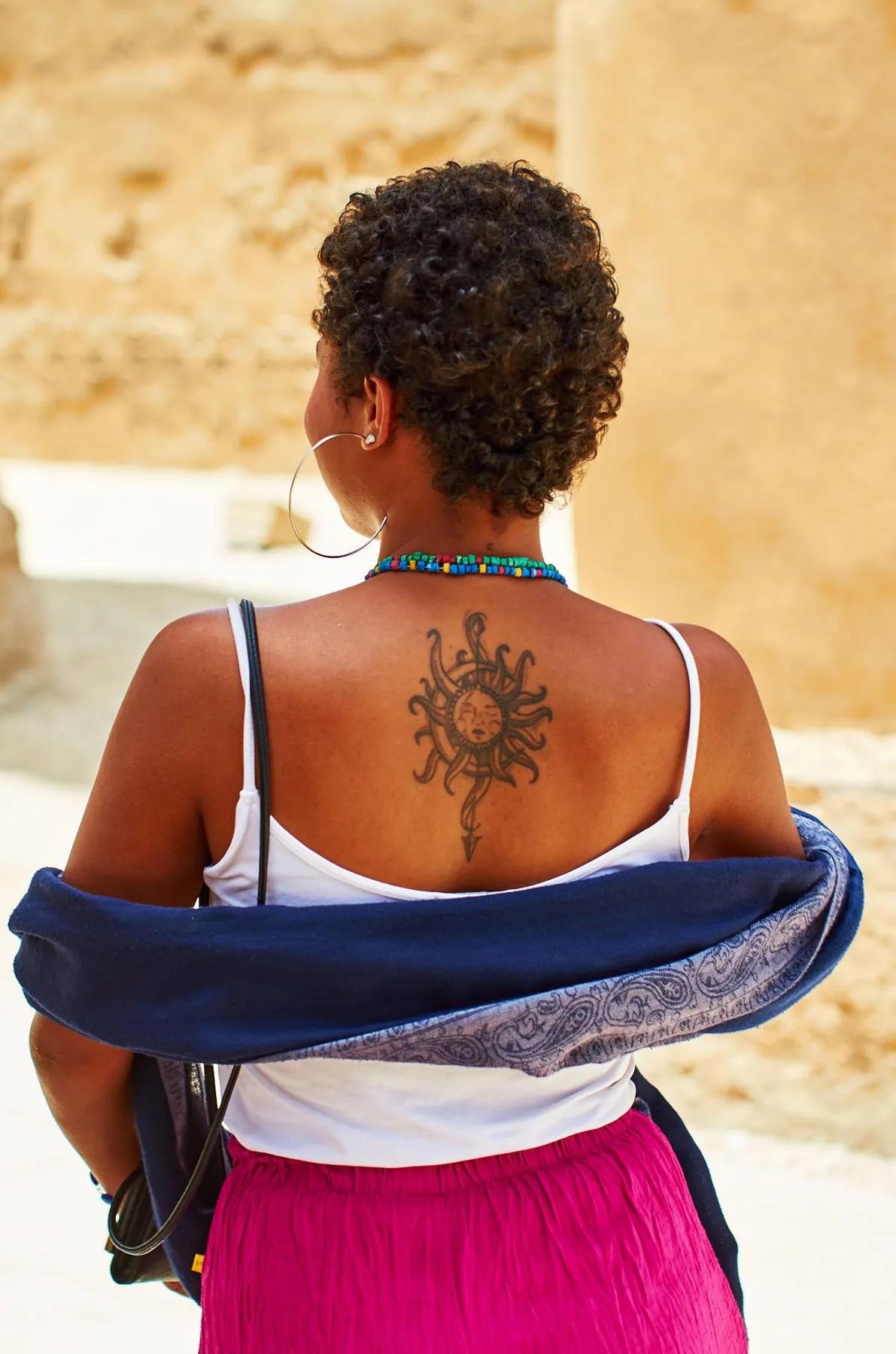
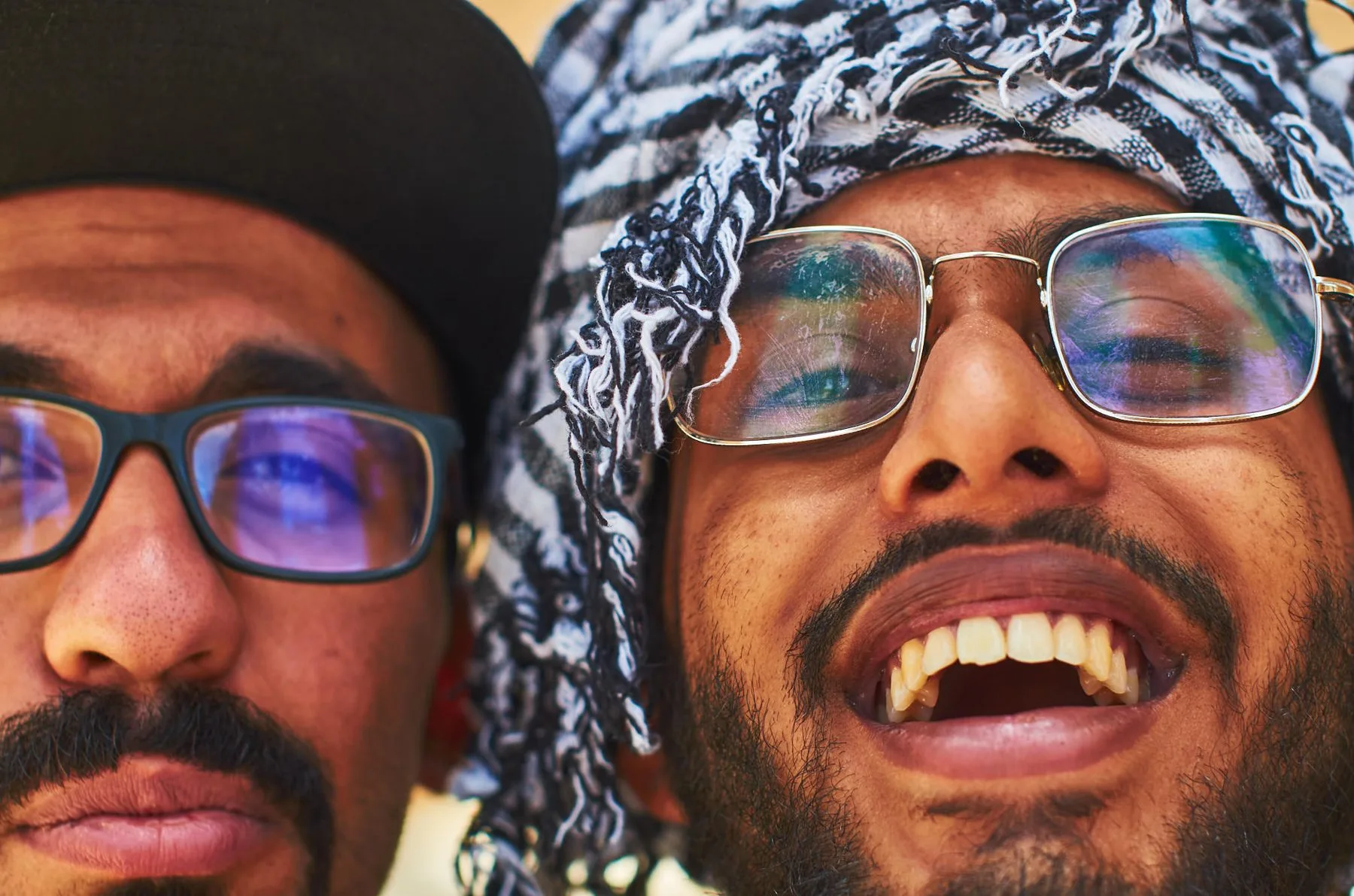
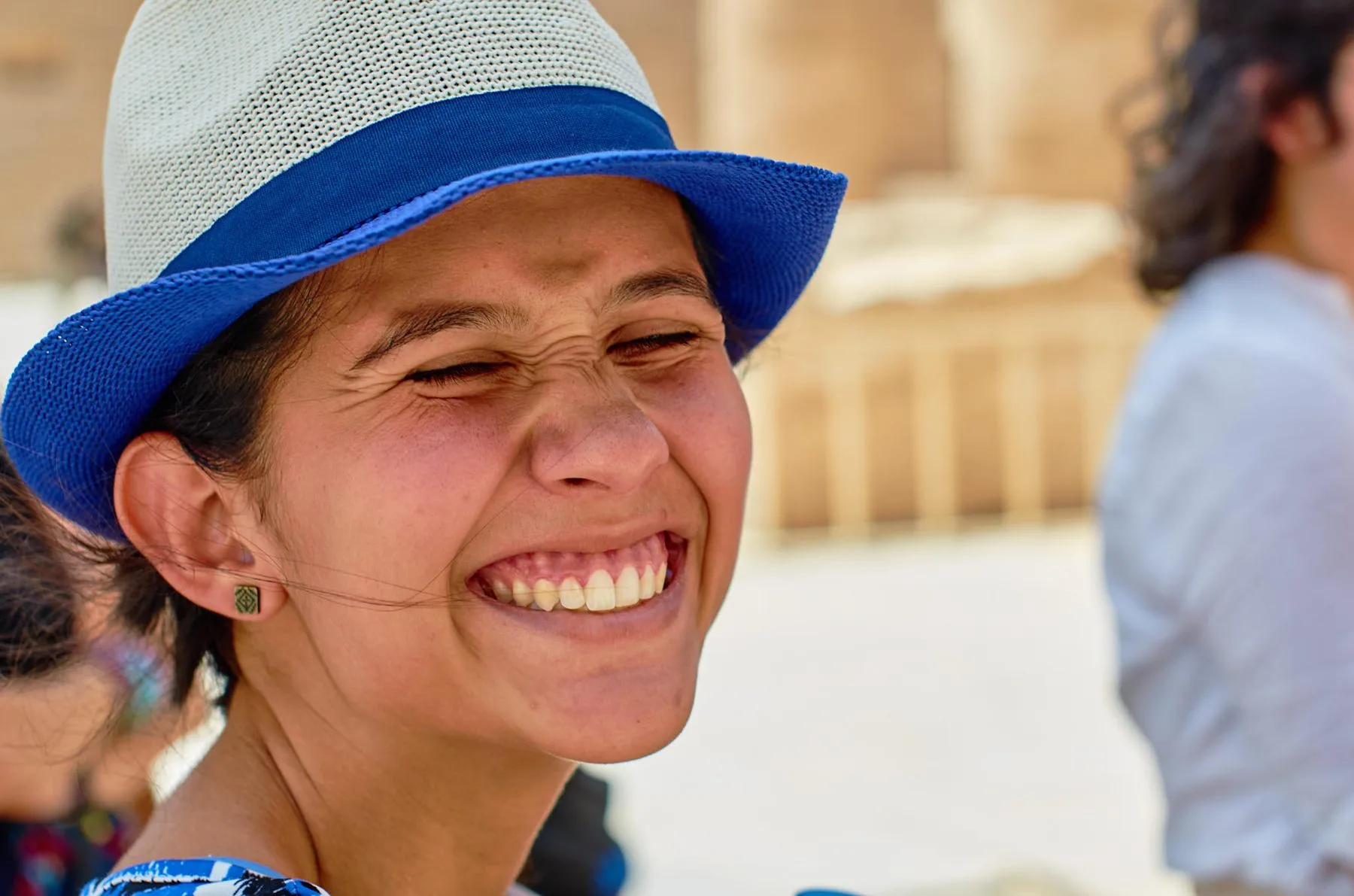
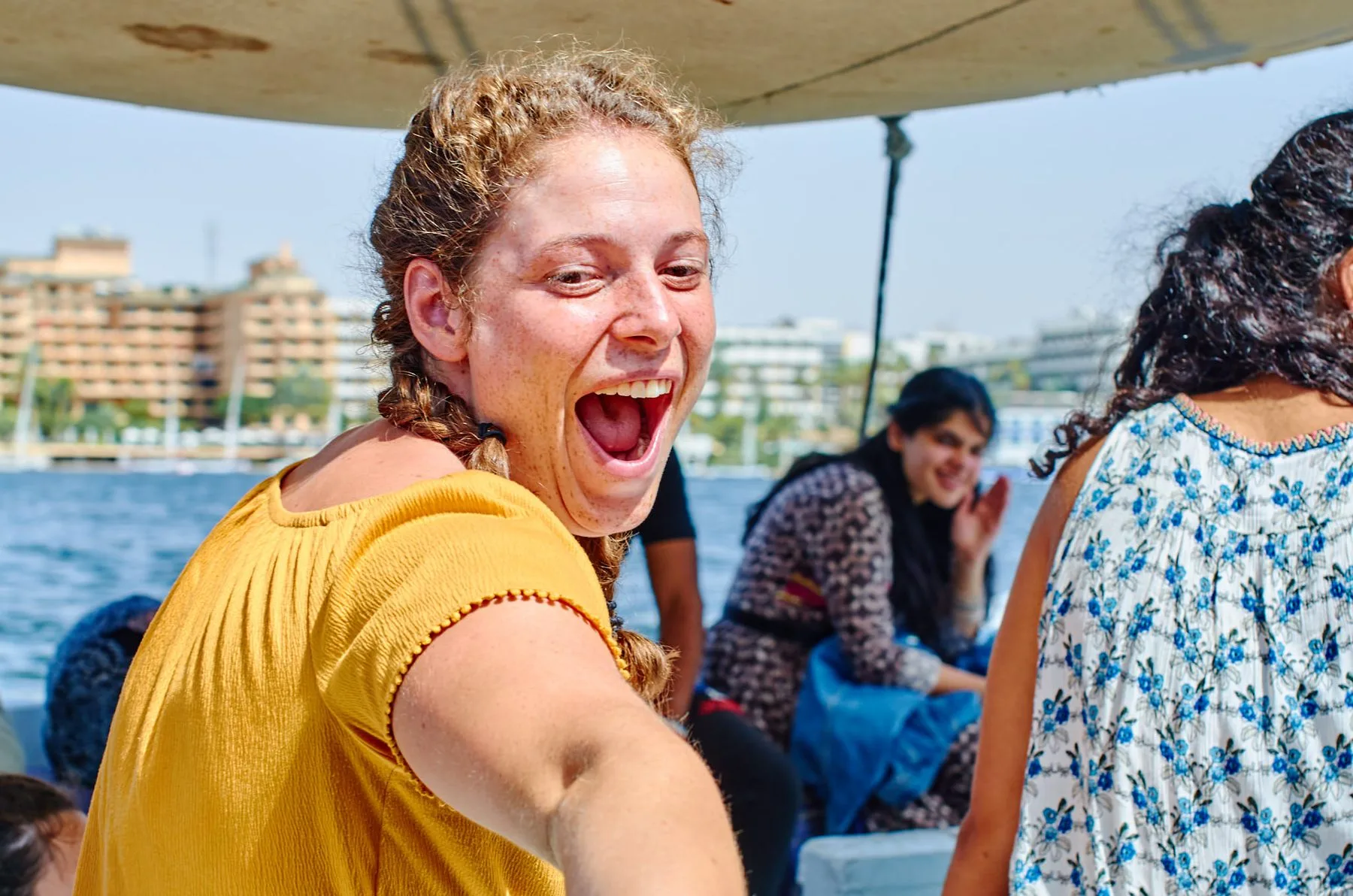
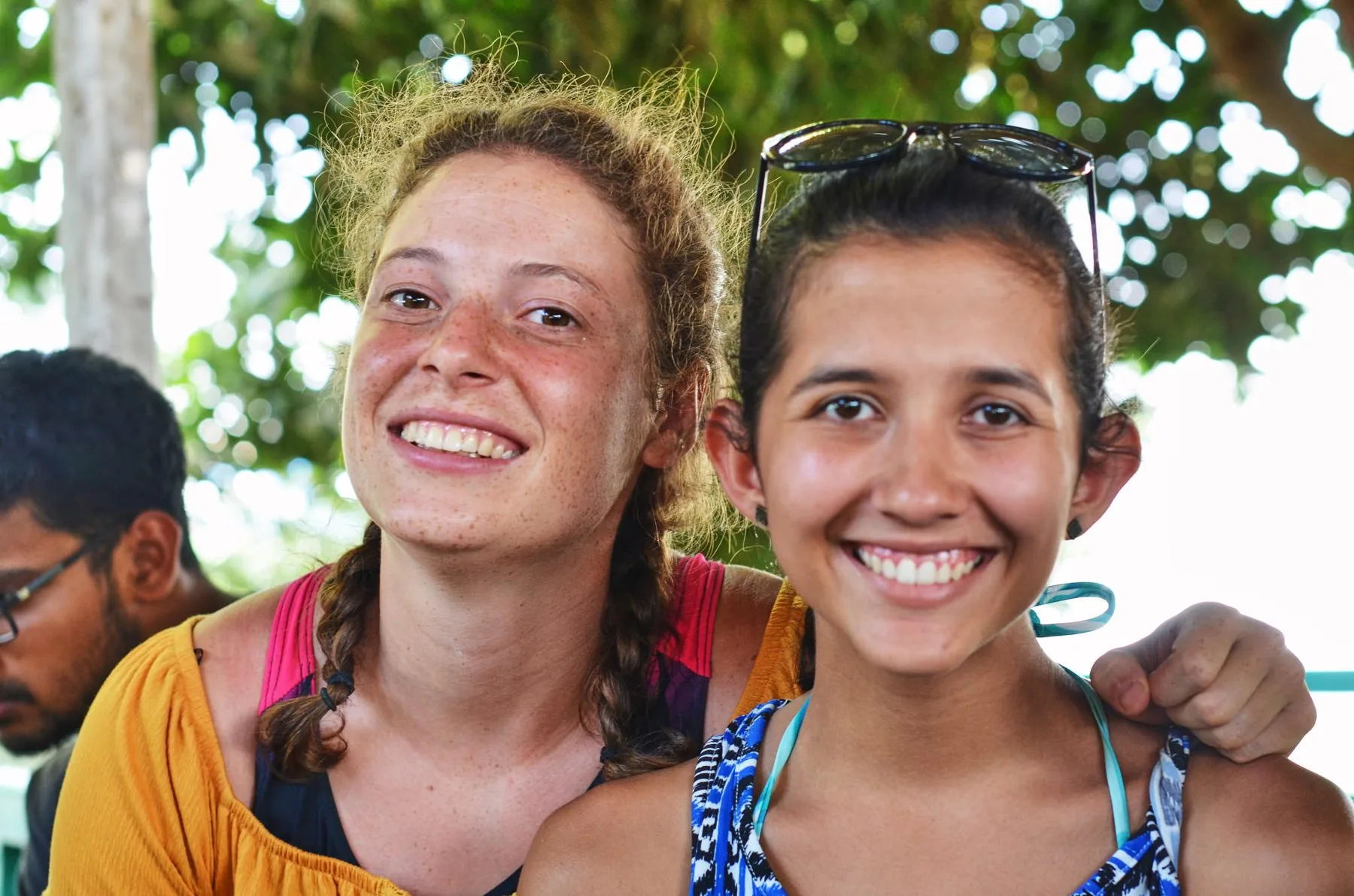
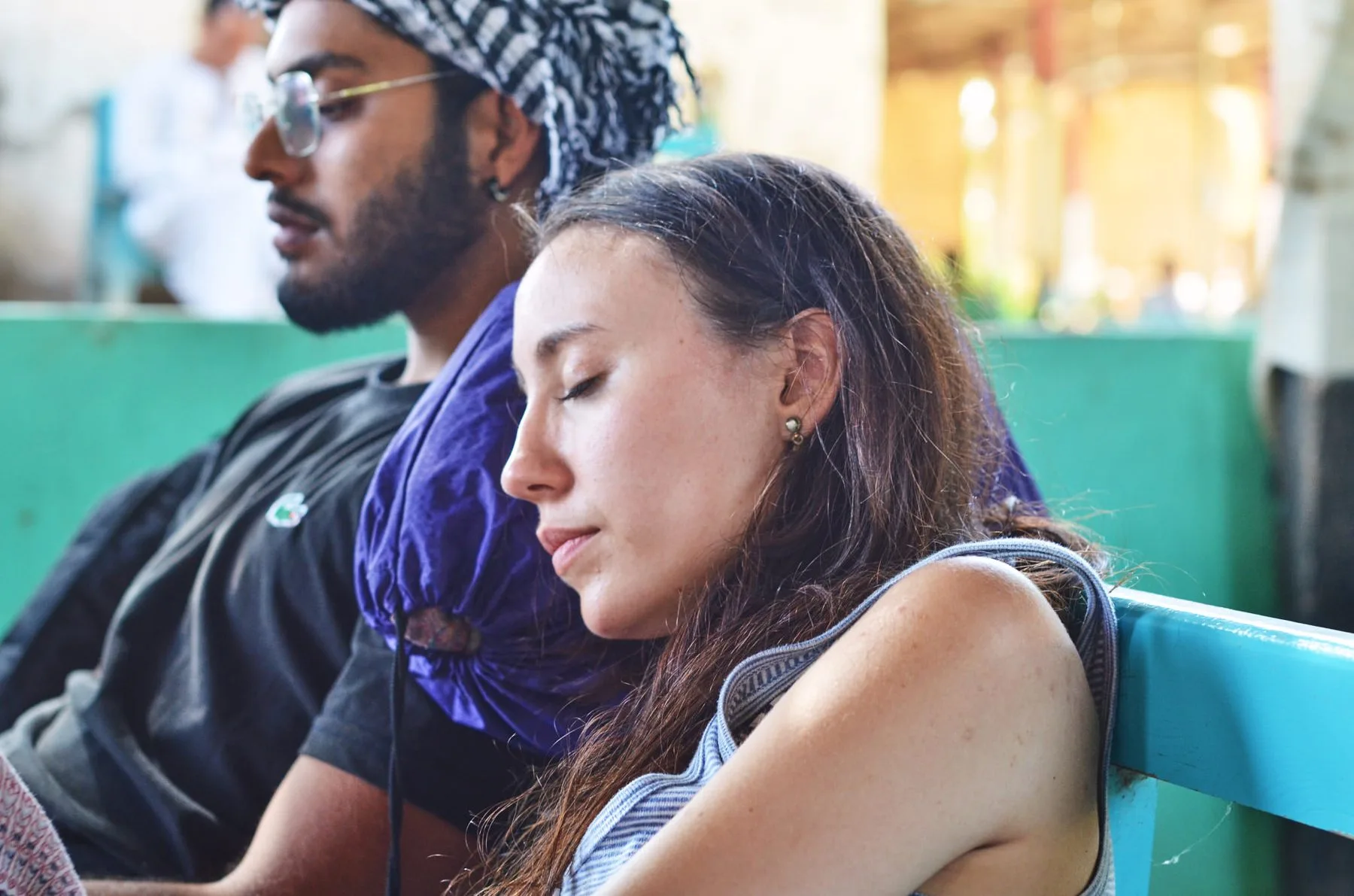
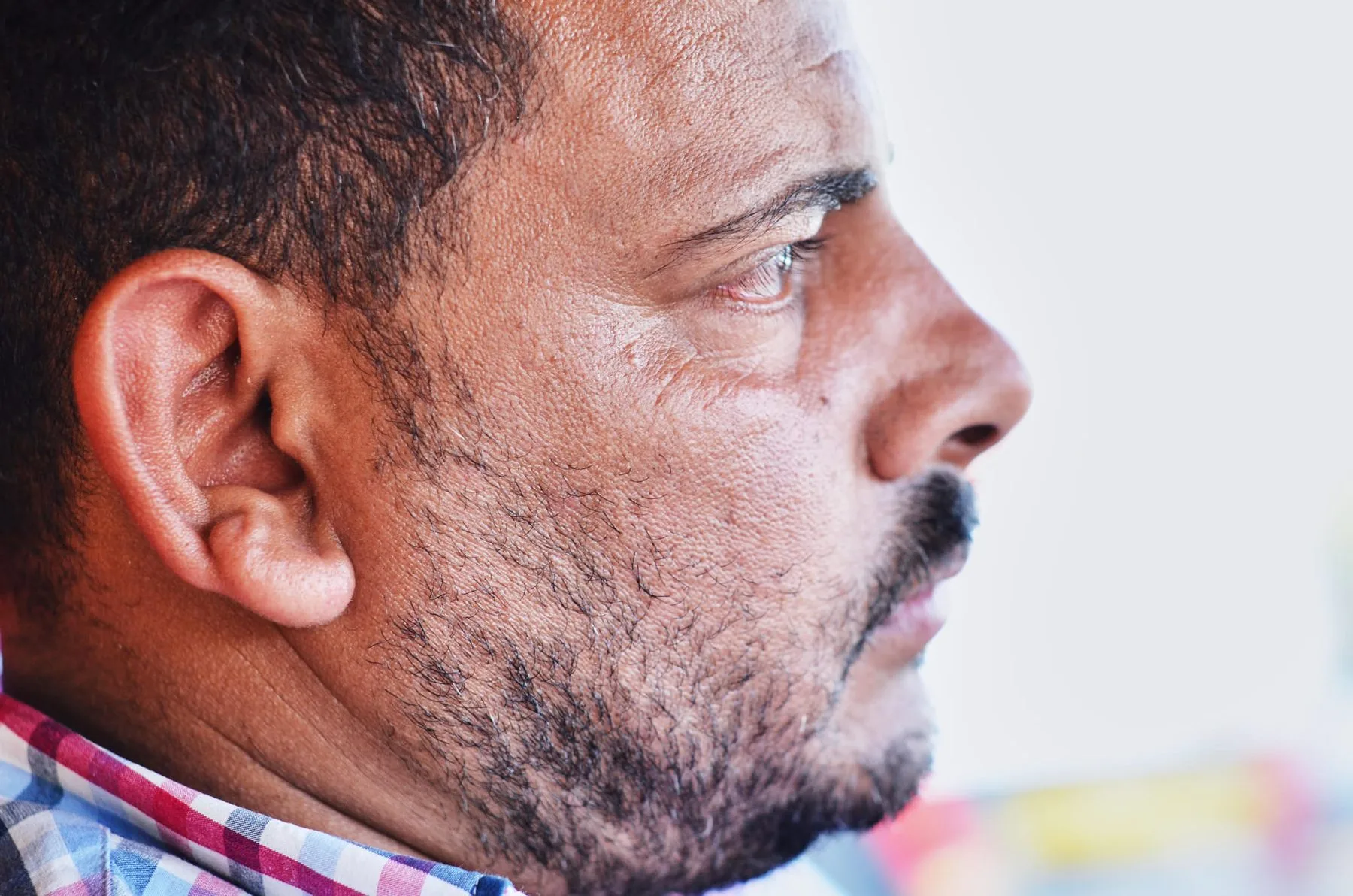
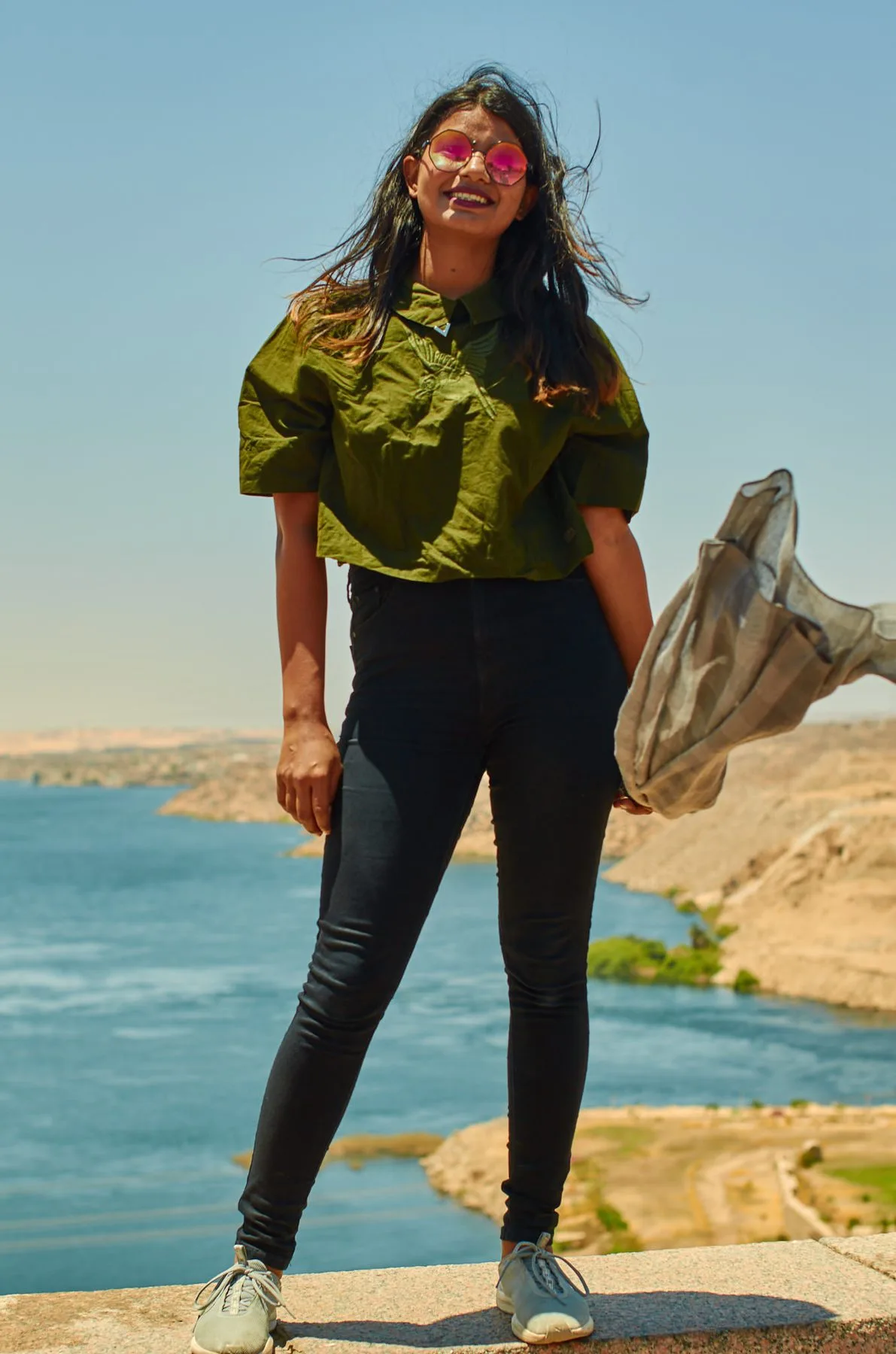
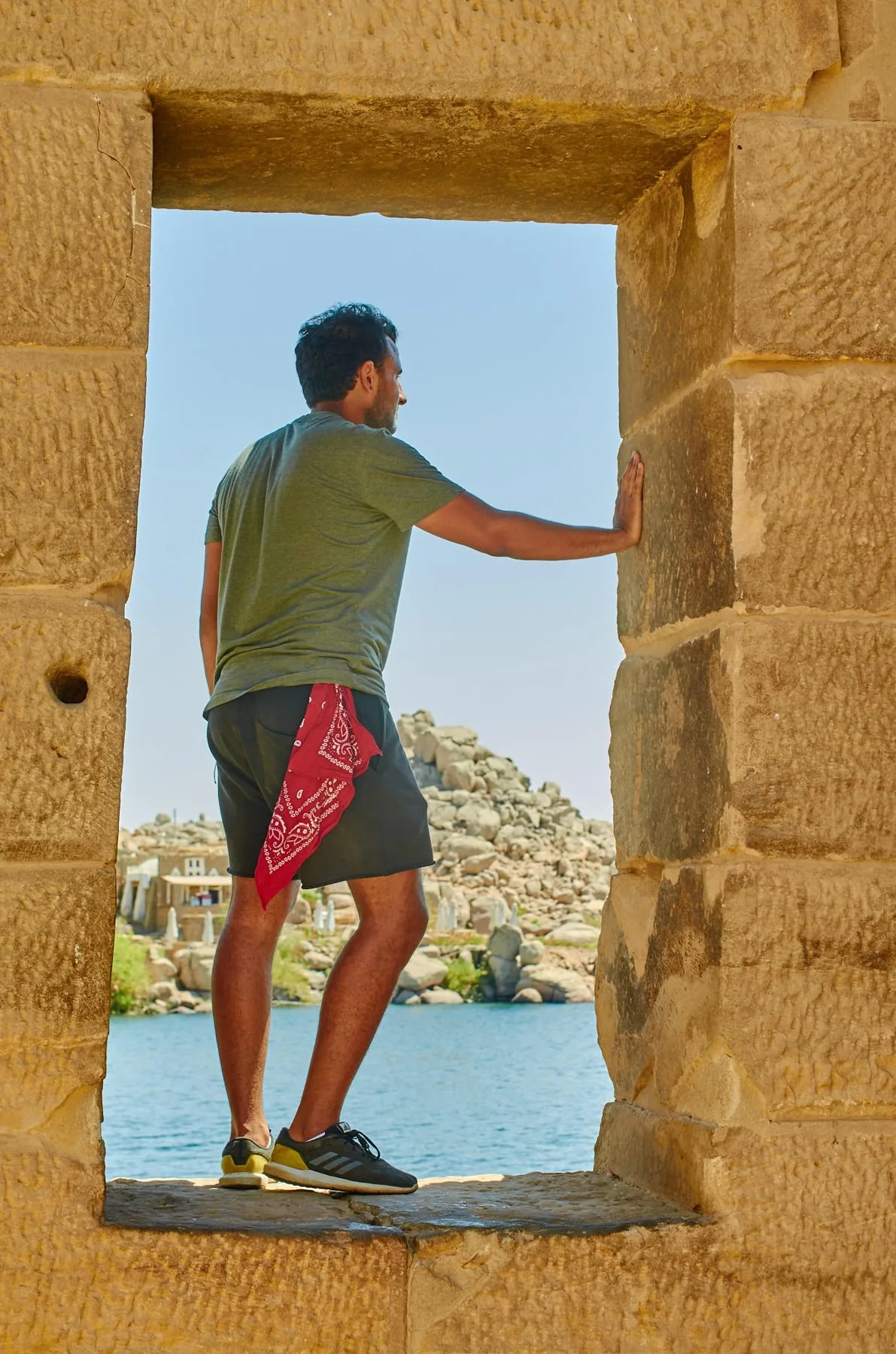
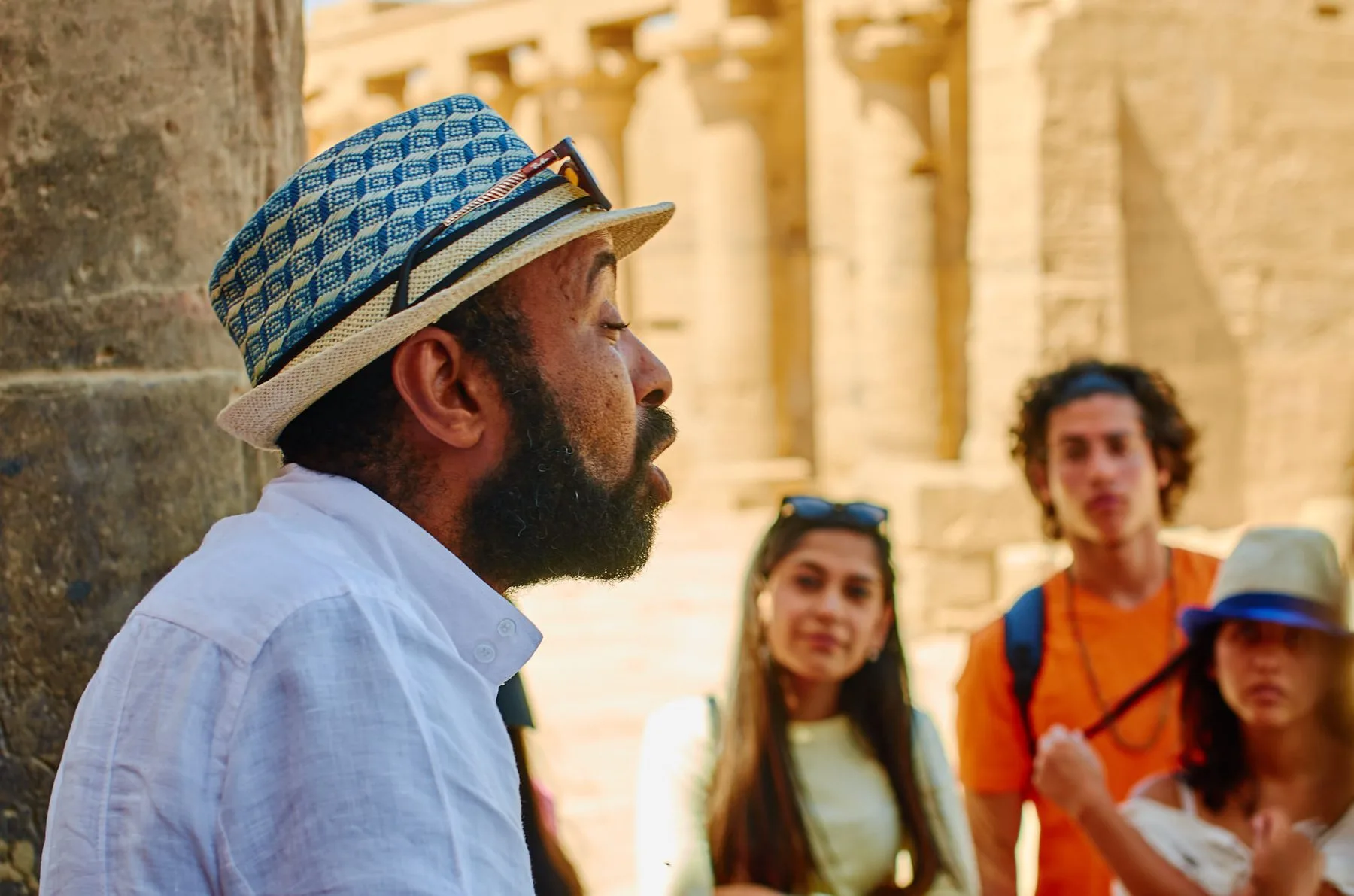
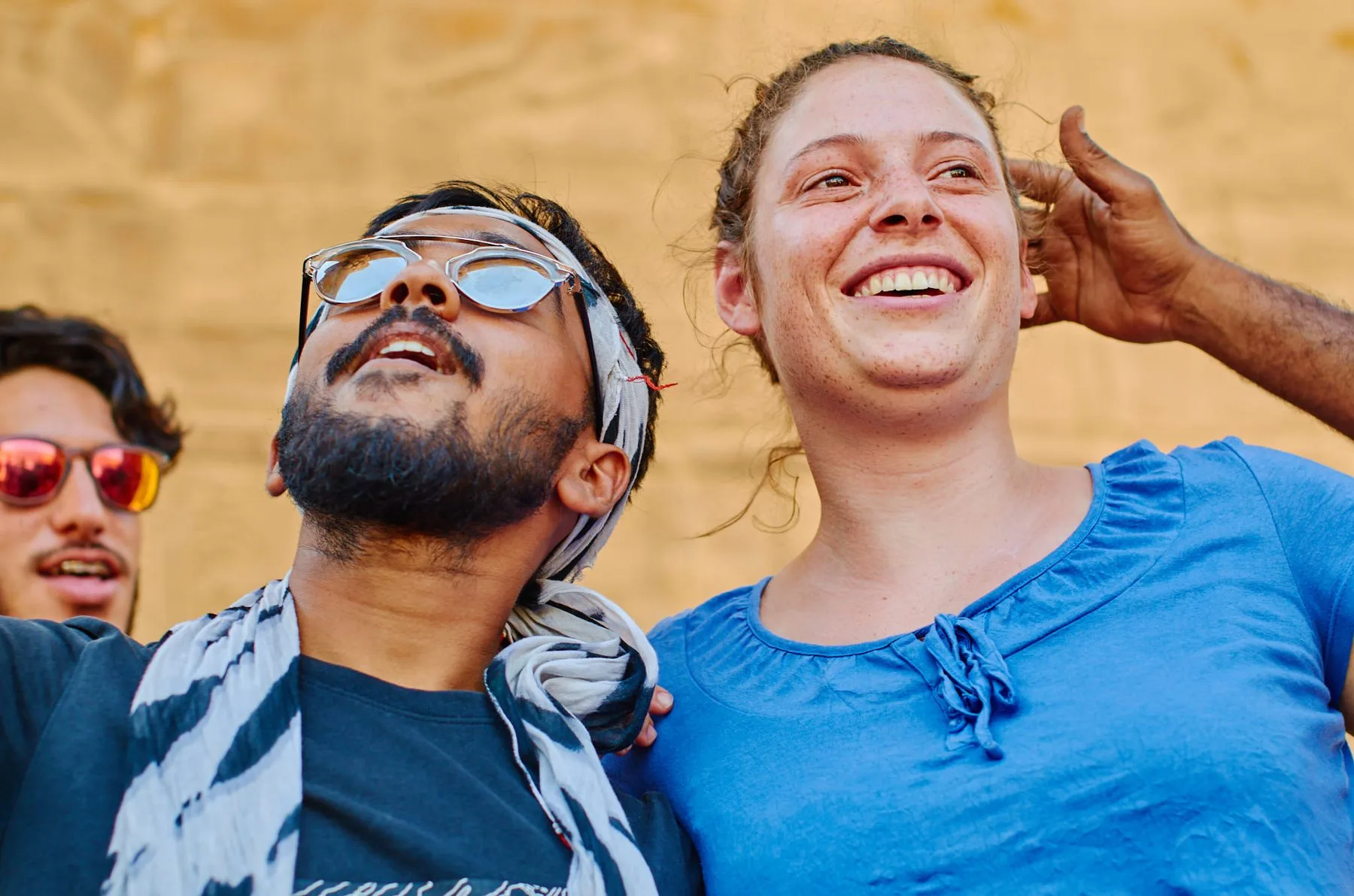
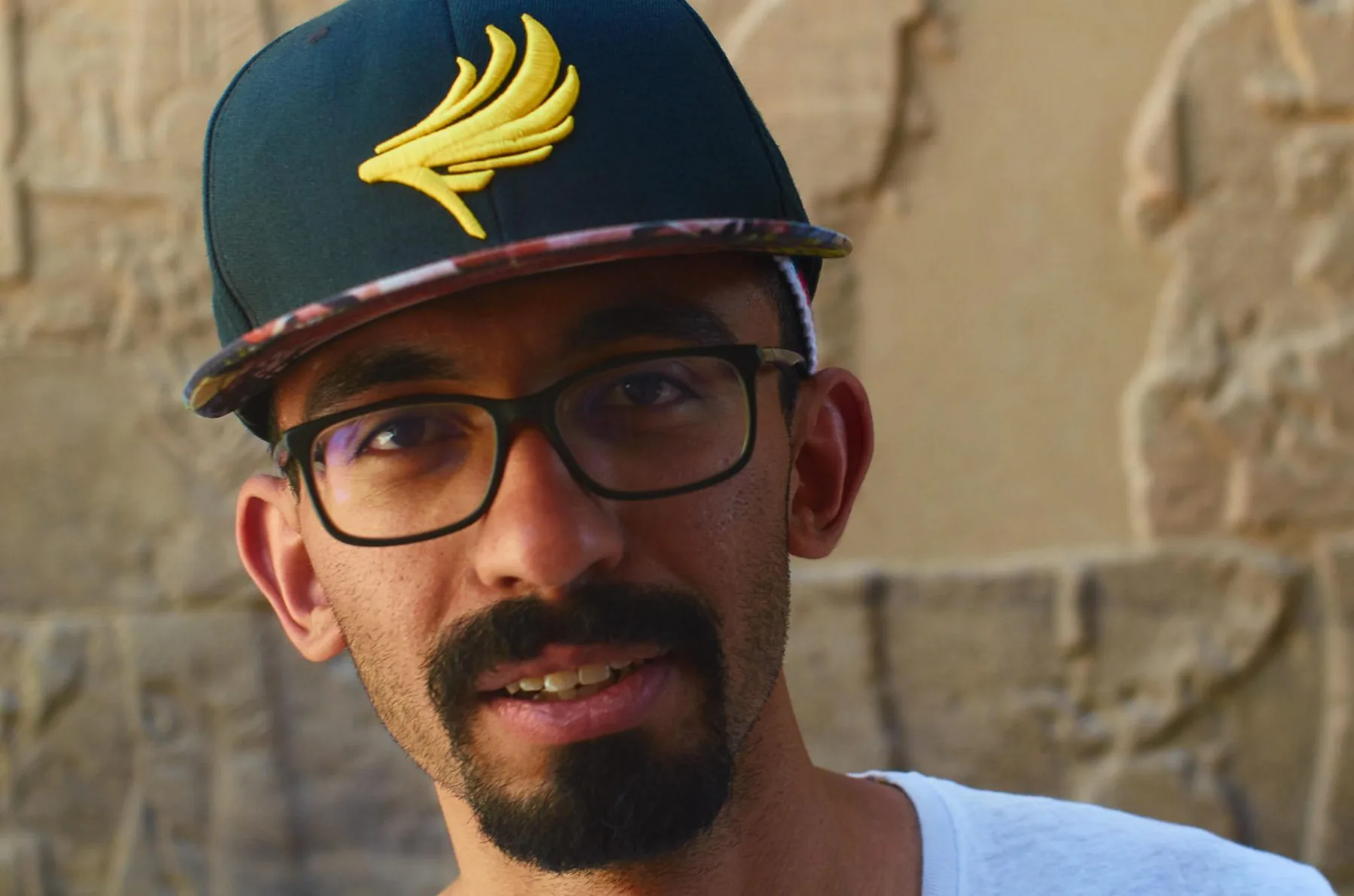
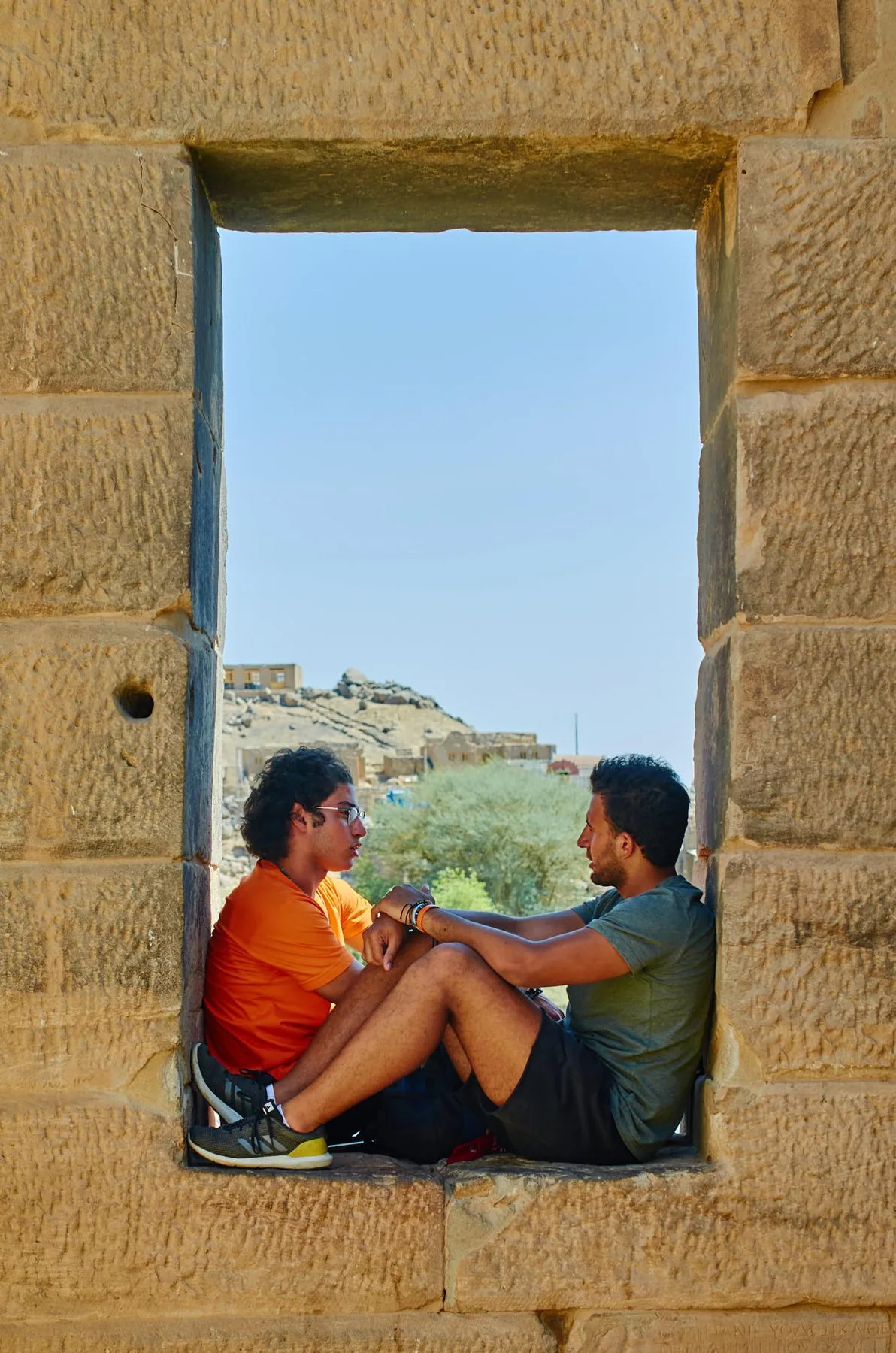
A trip is its temples for about a day. After that it is the people, the ones you came with, and the ones who poured the tea and let you photograph them.








Scent & Stone
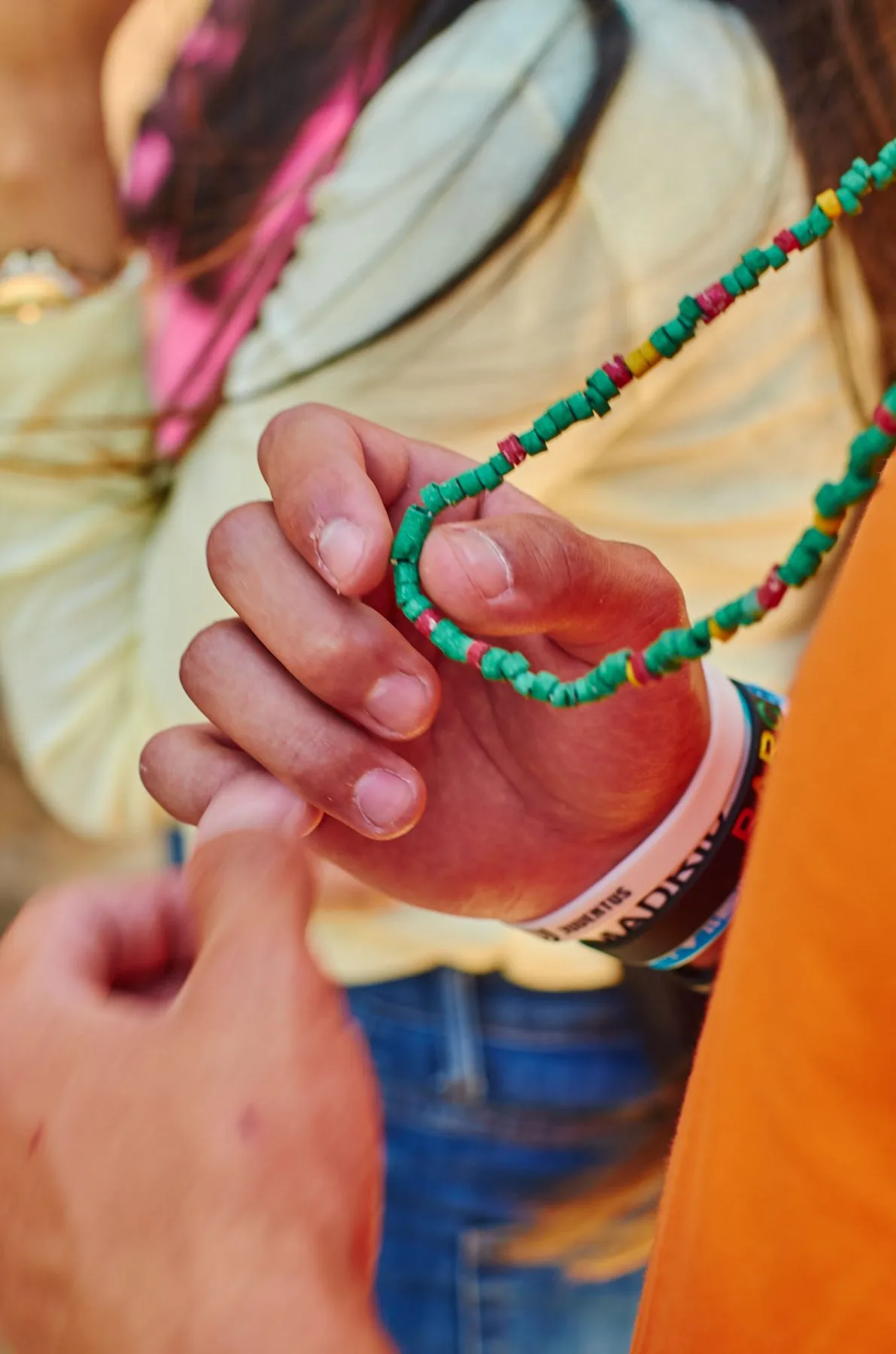
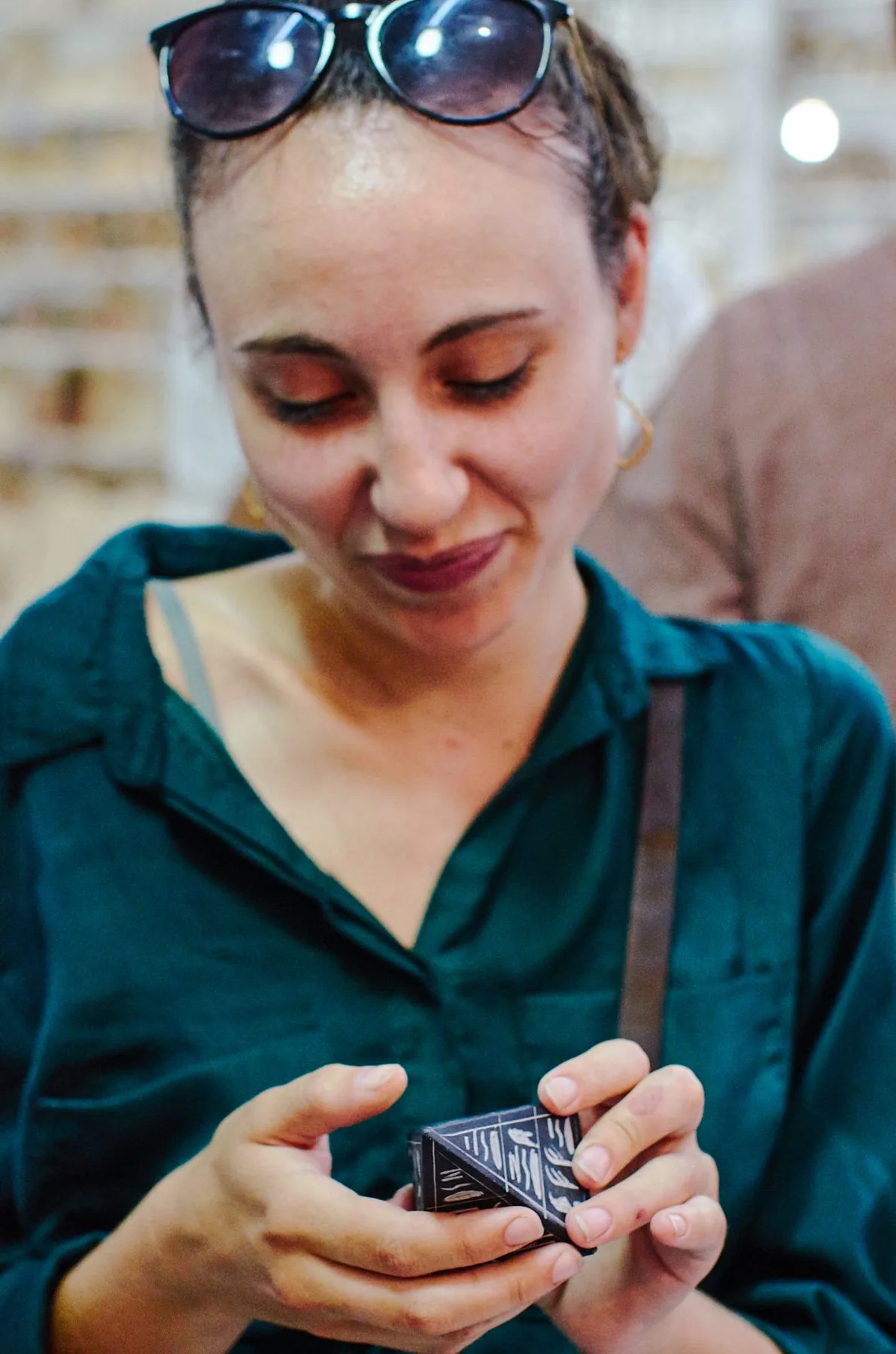
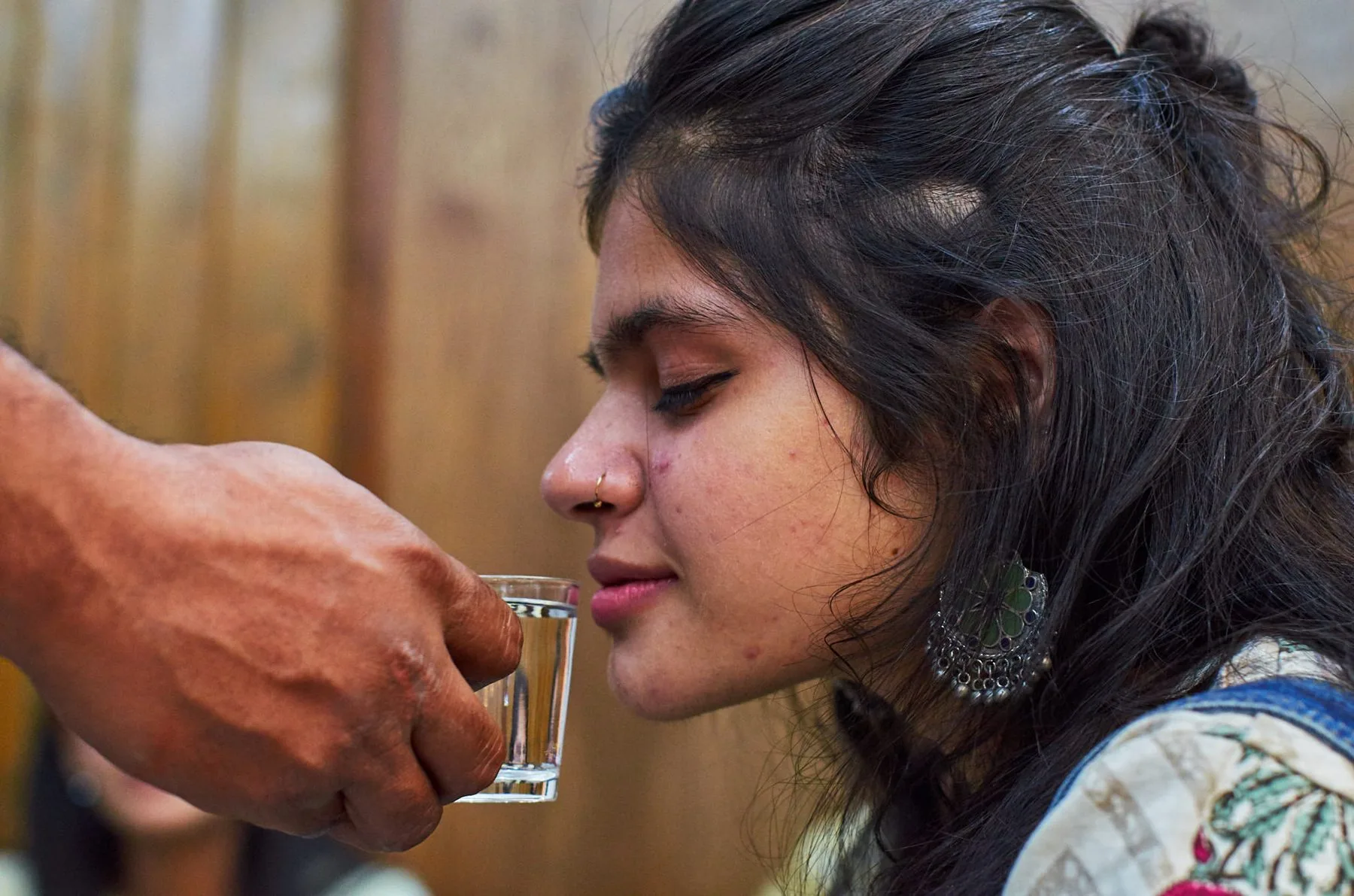
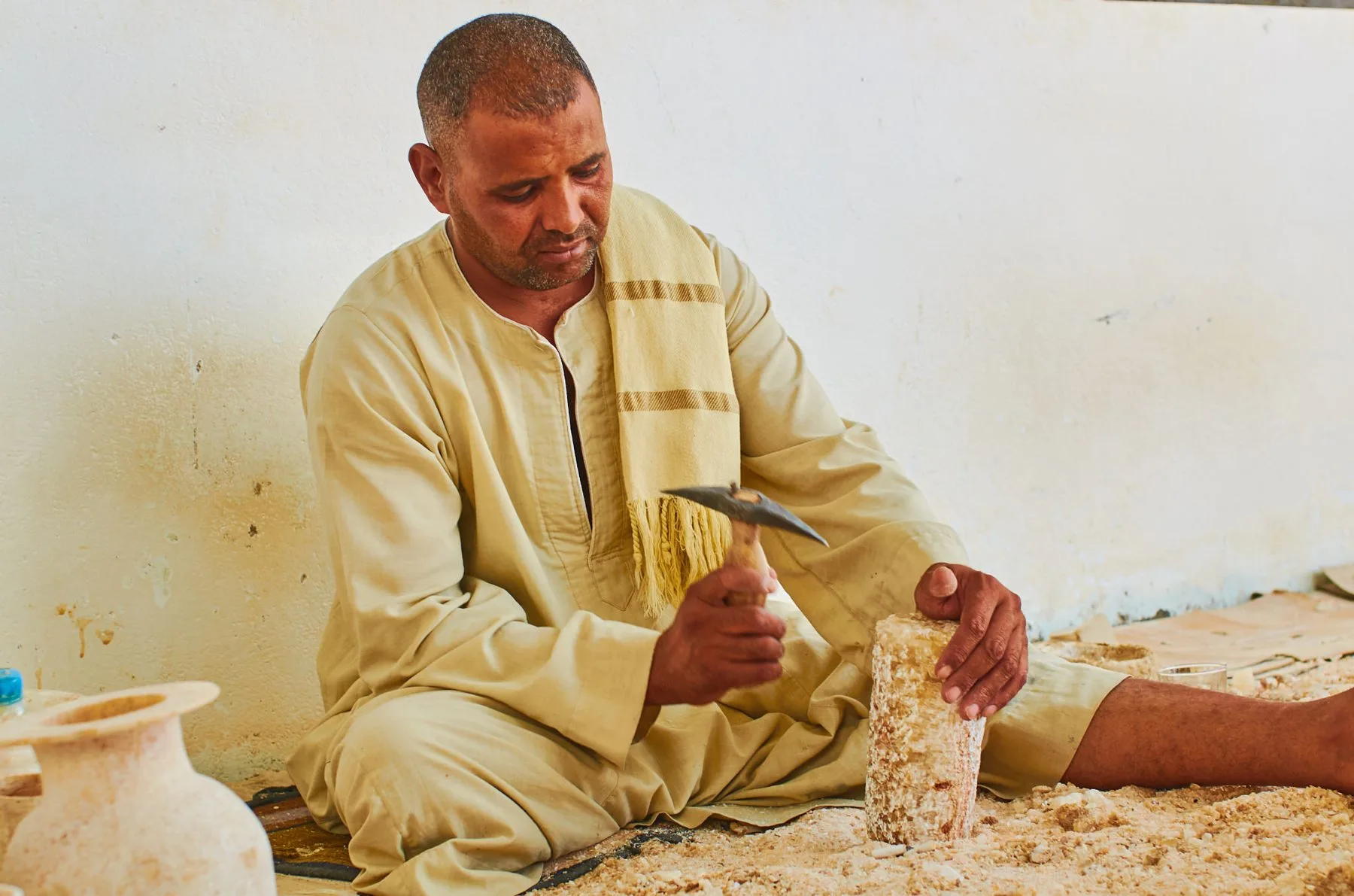
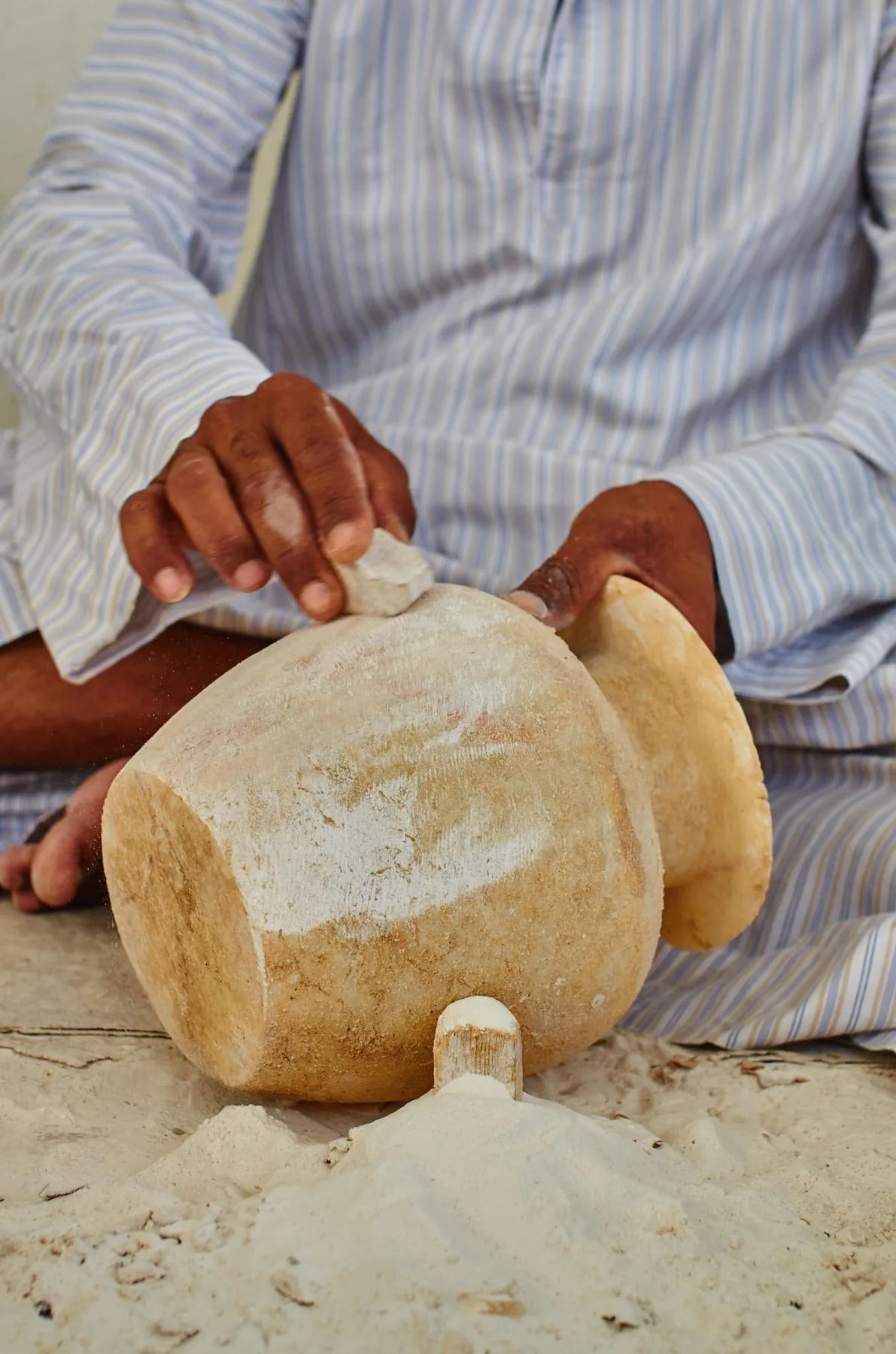
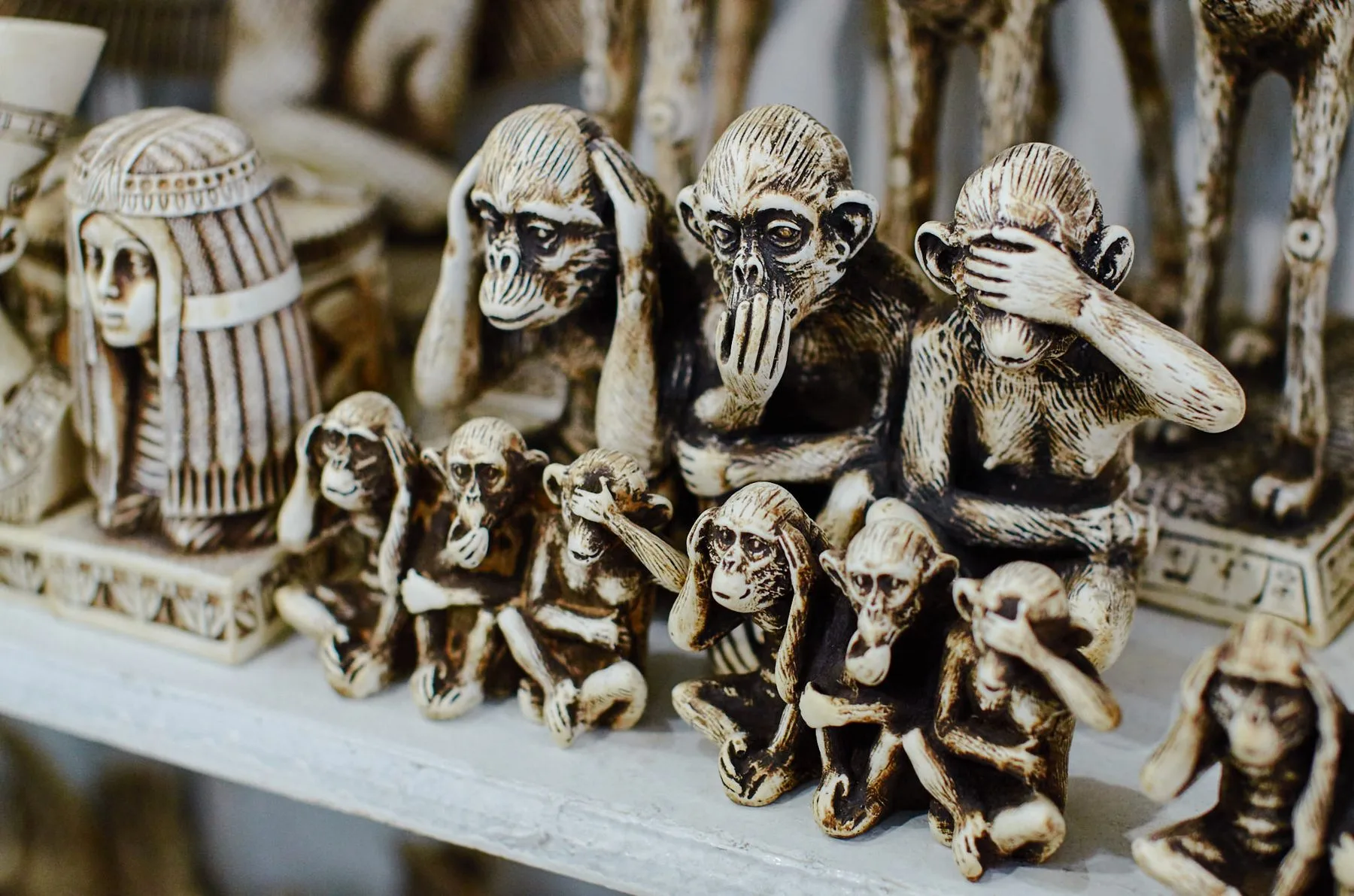
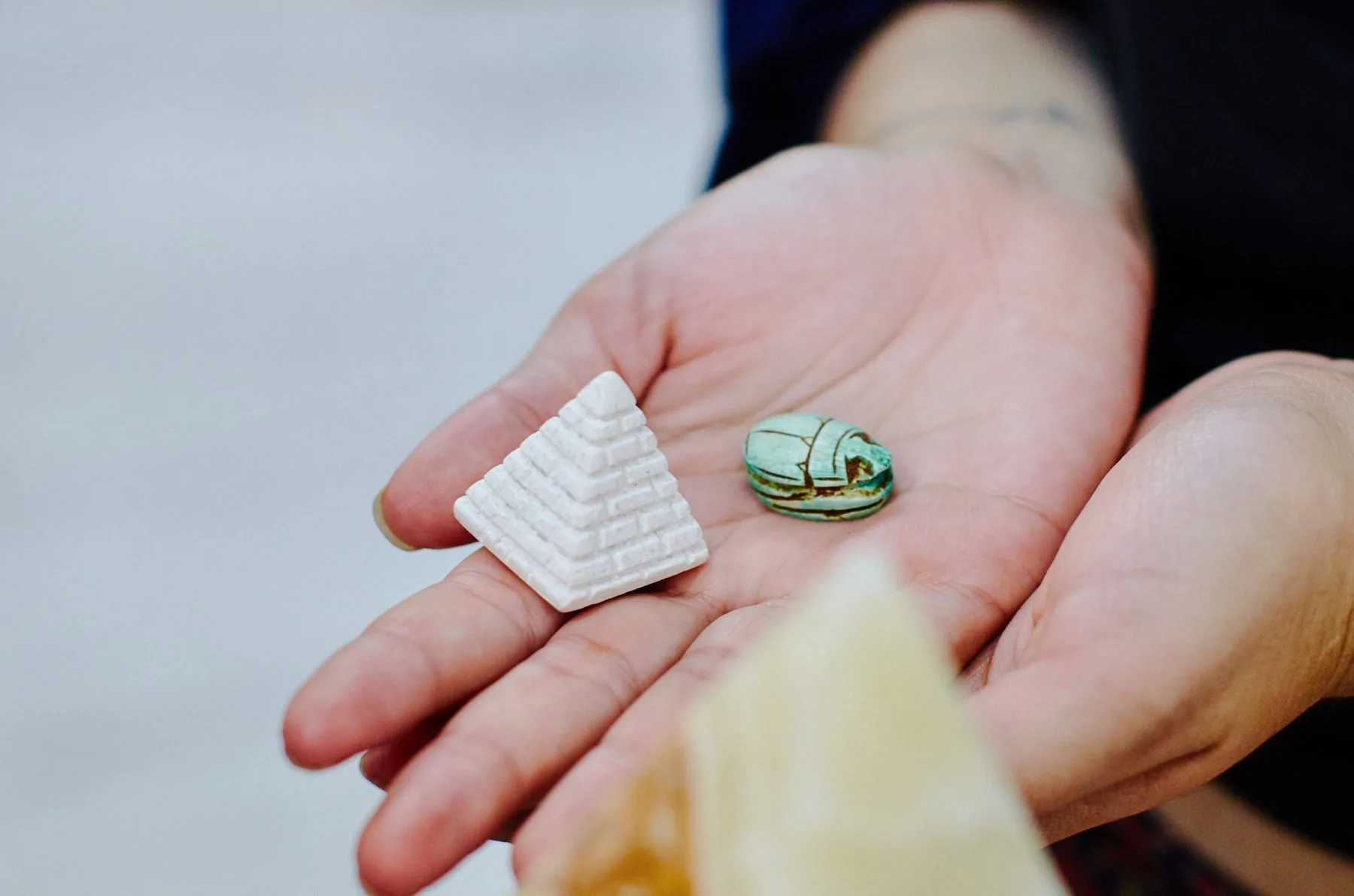
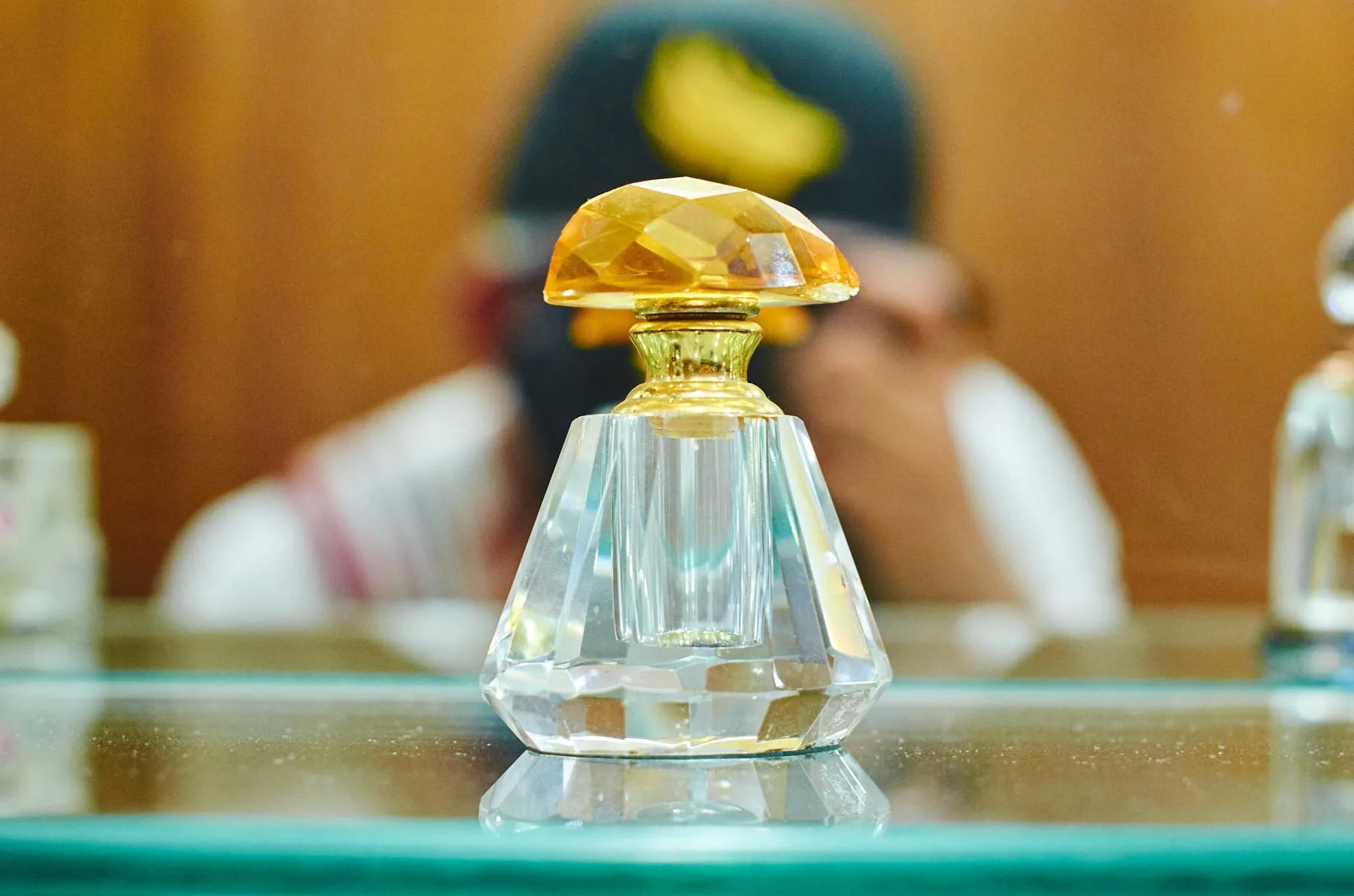
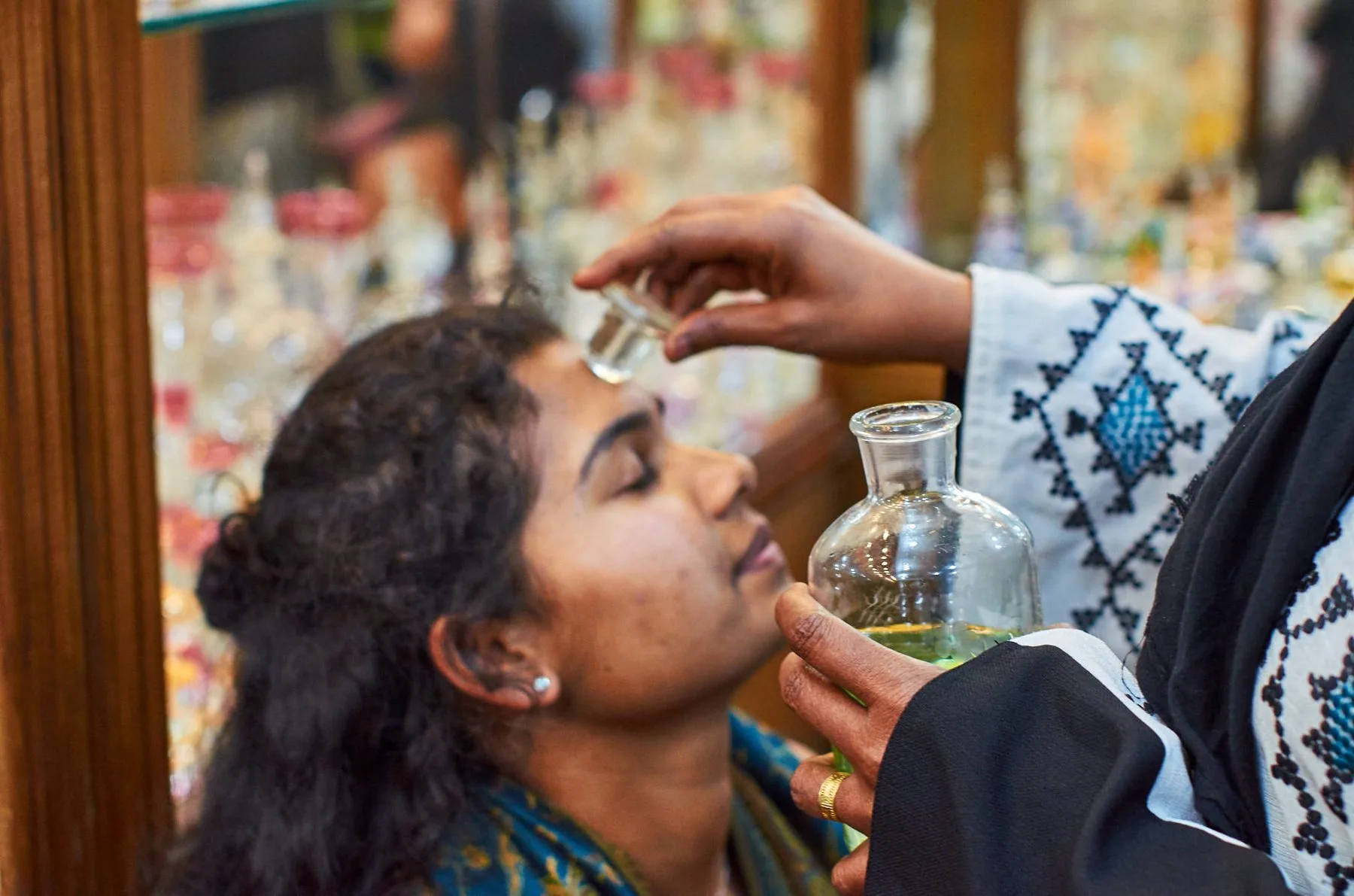
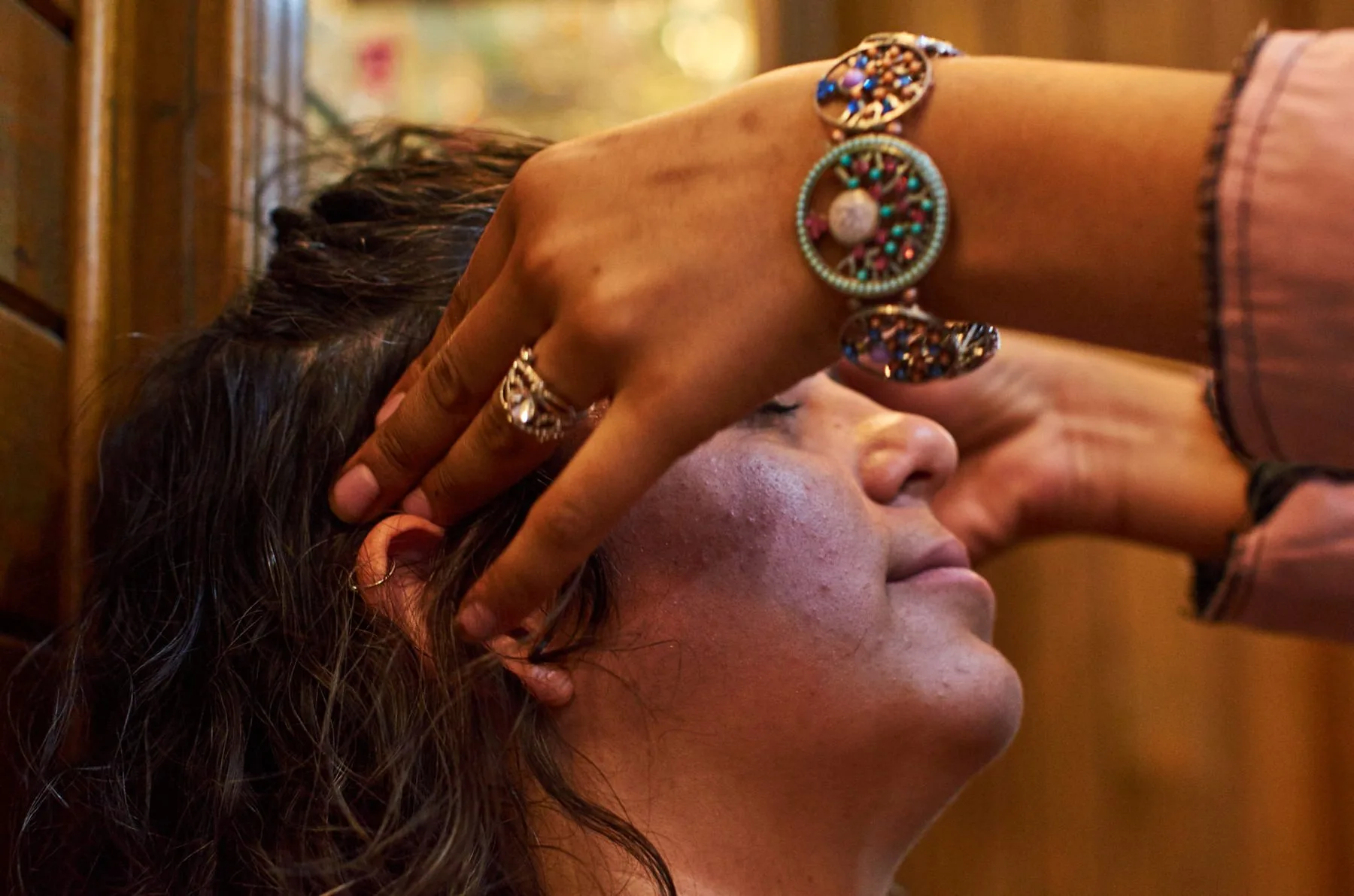
Alabaster turns to powder under a chisel; jasmine and lotus arrive in tiny glass bottles; kohl goes on with a closed eye. Egypt is a place you touch and smell before you understand it.
Where the River Rests
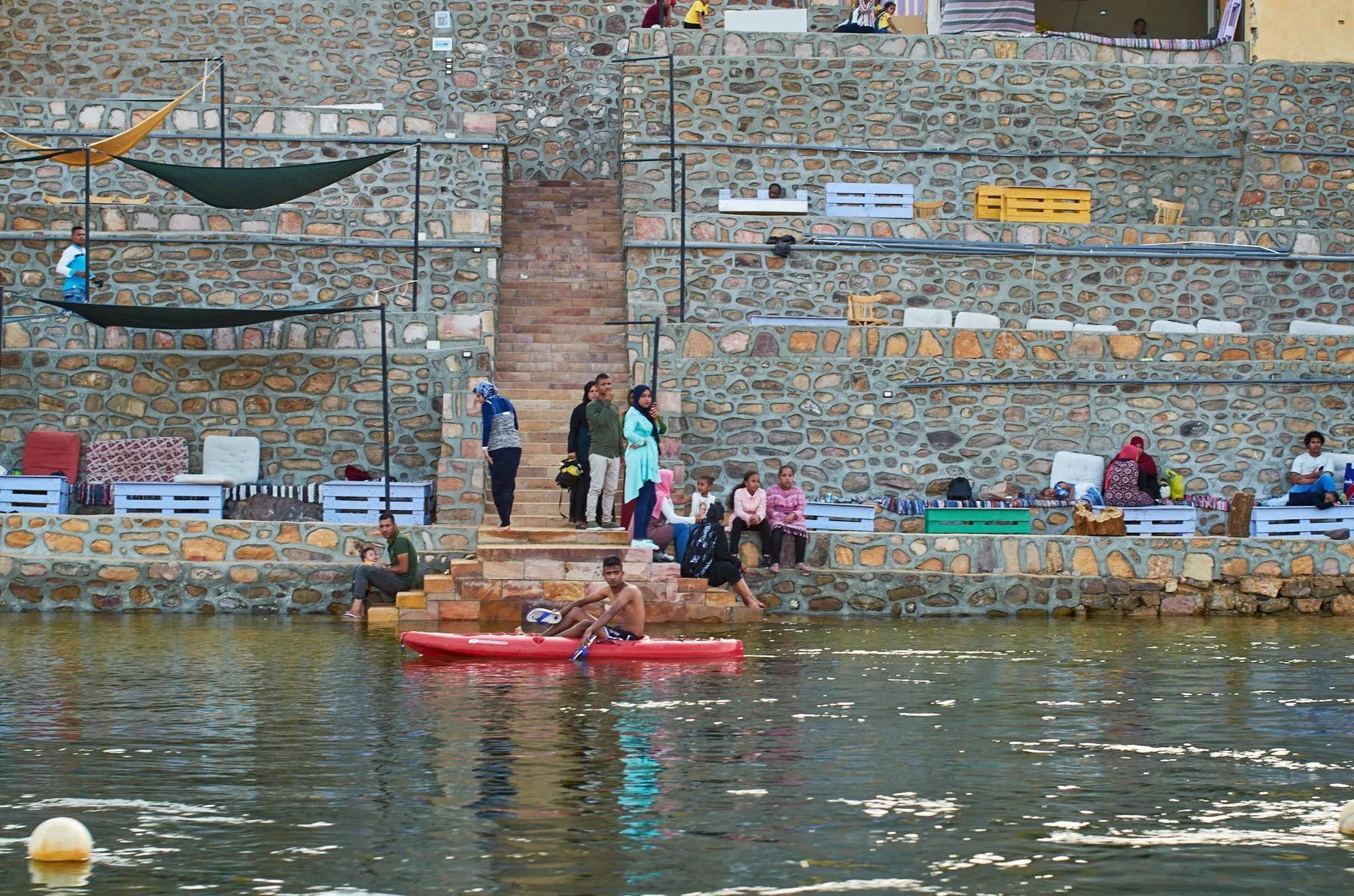
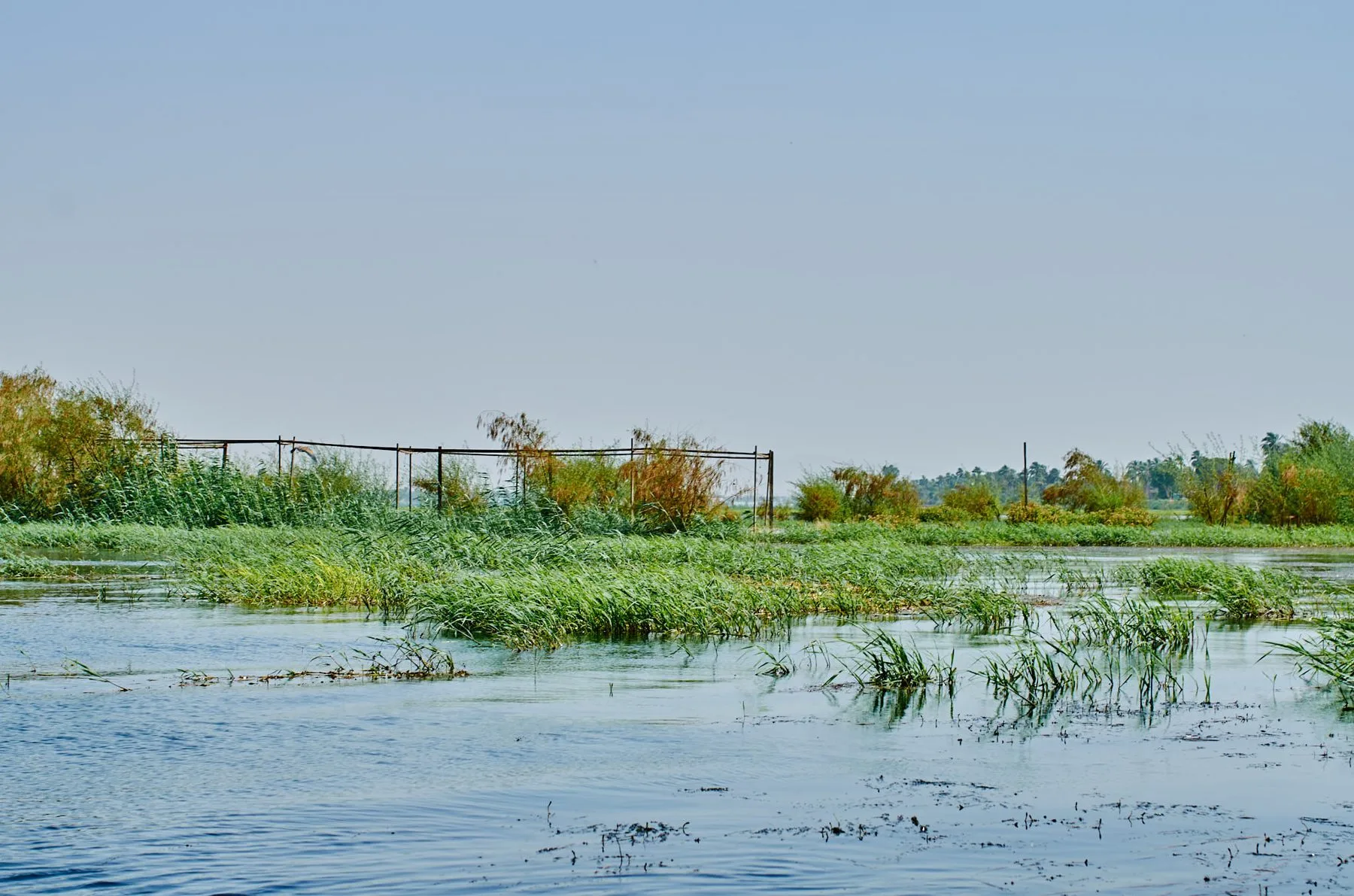
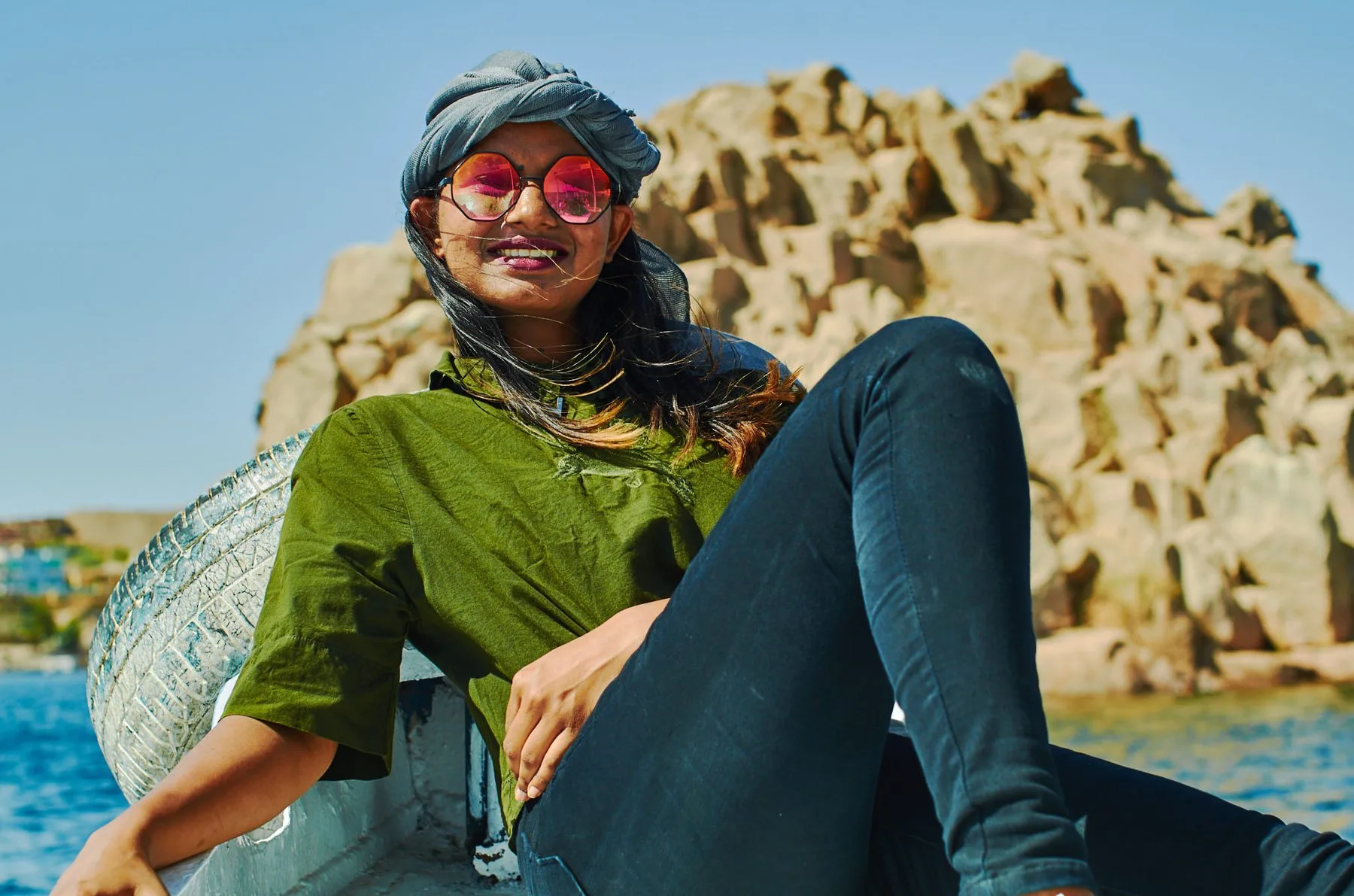
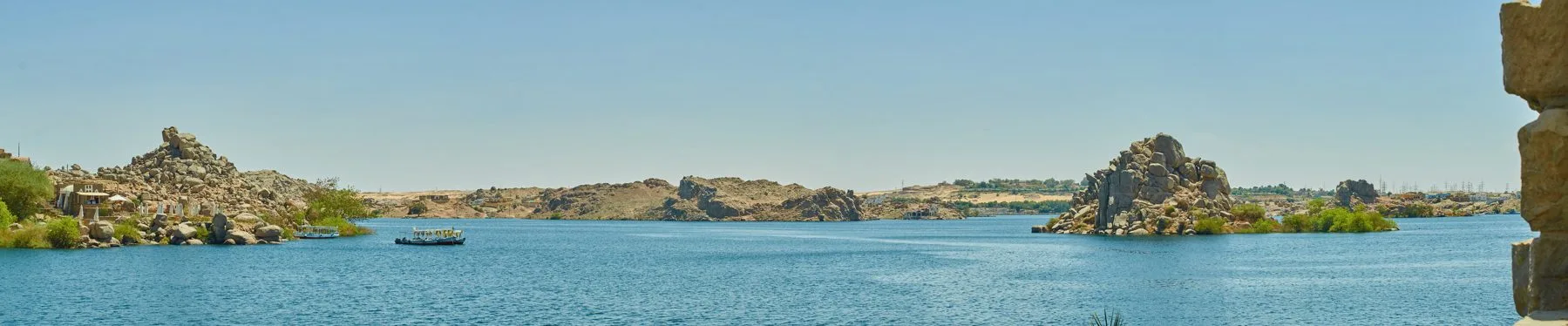
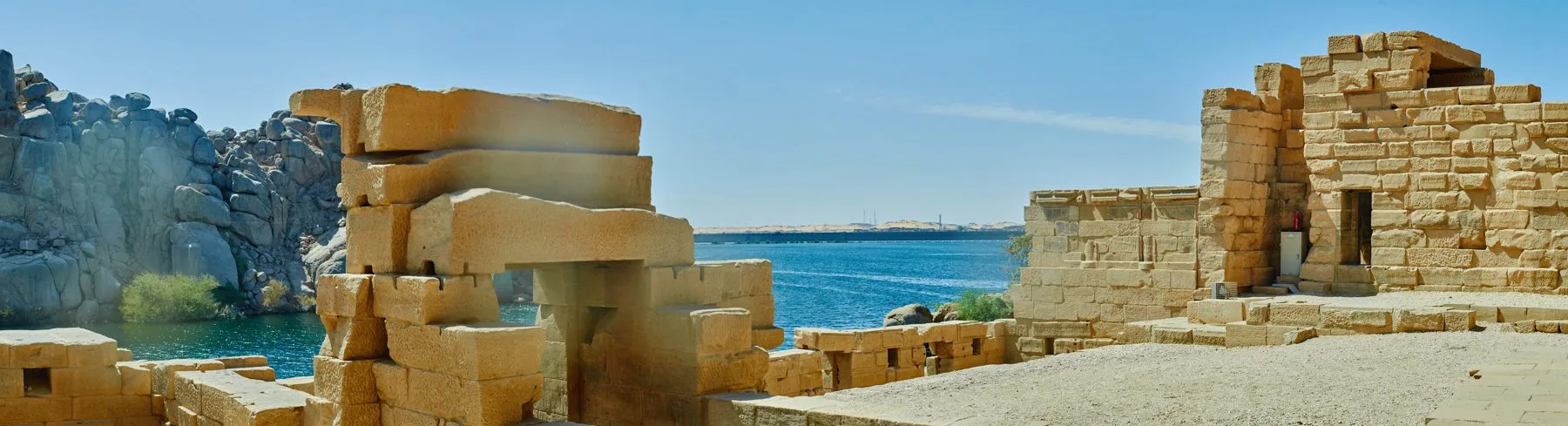
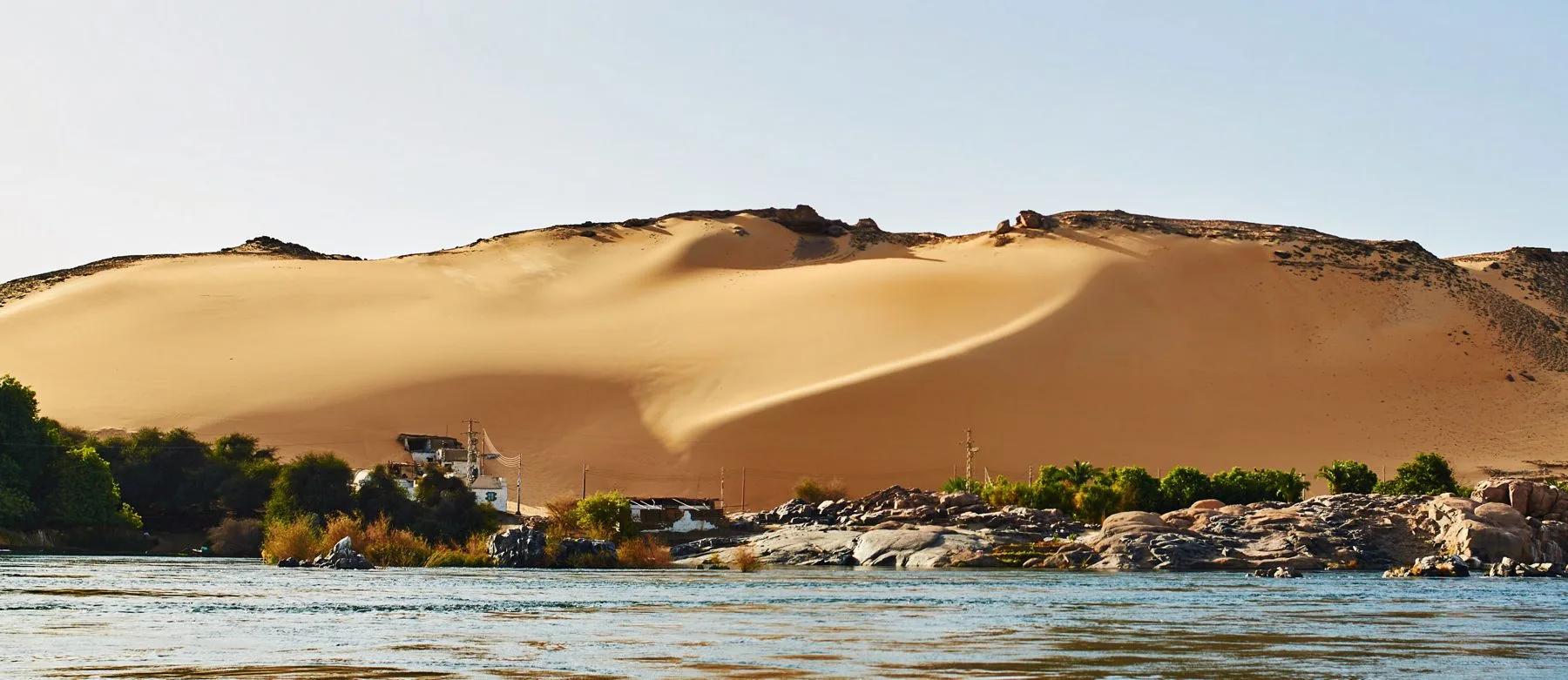
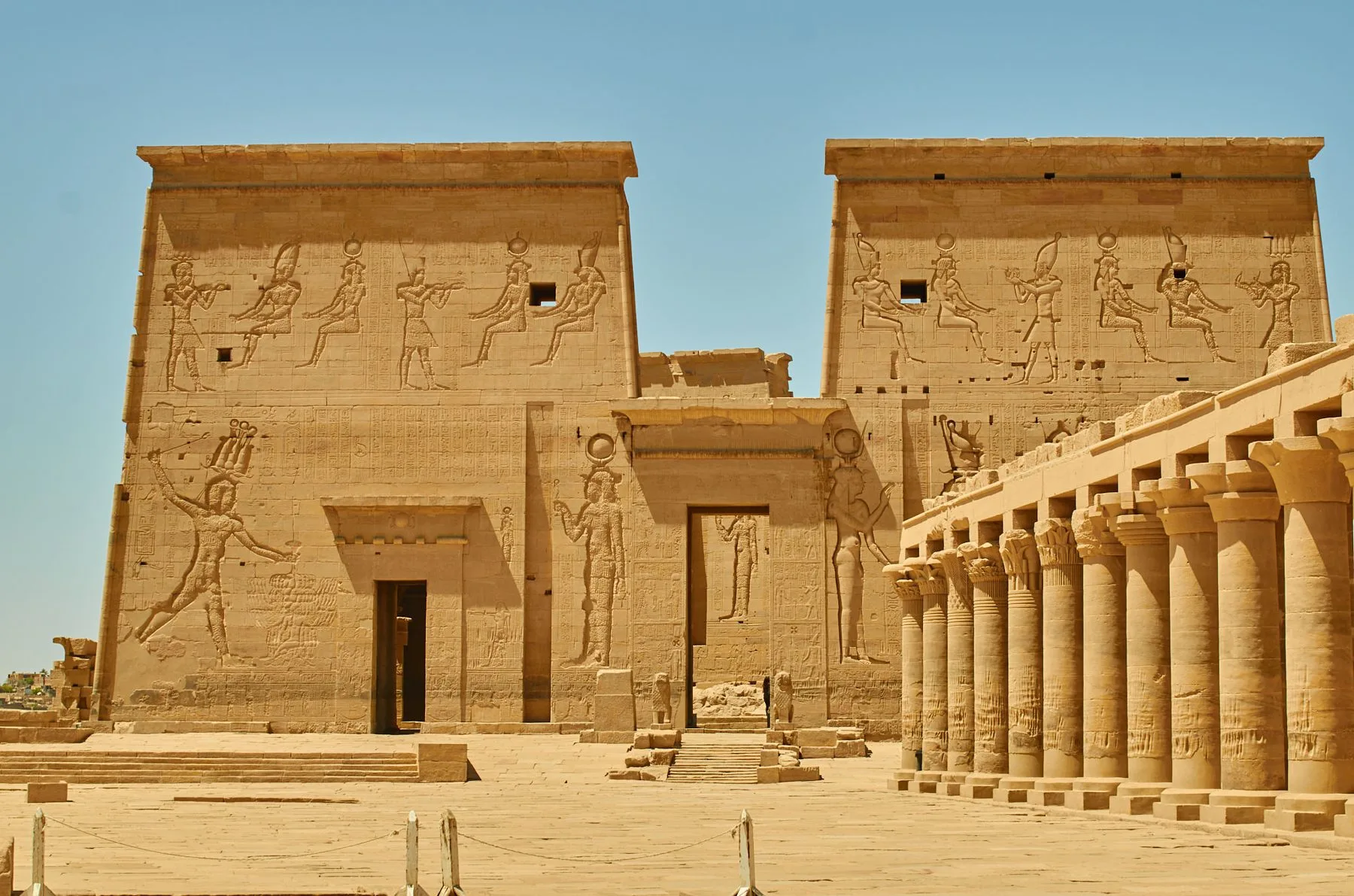
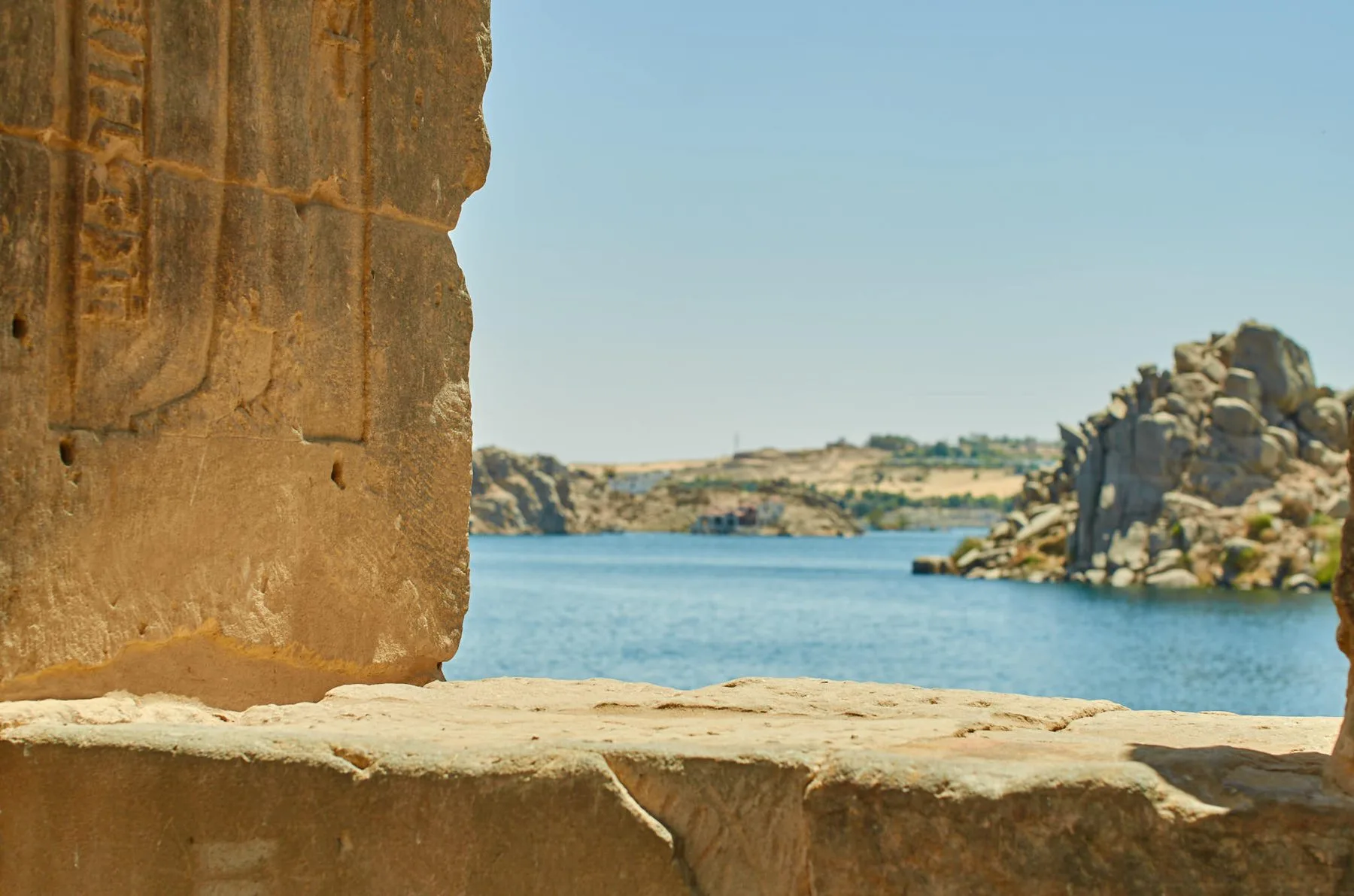
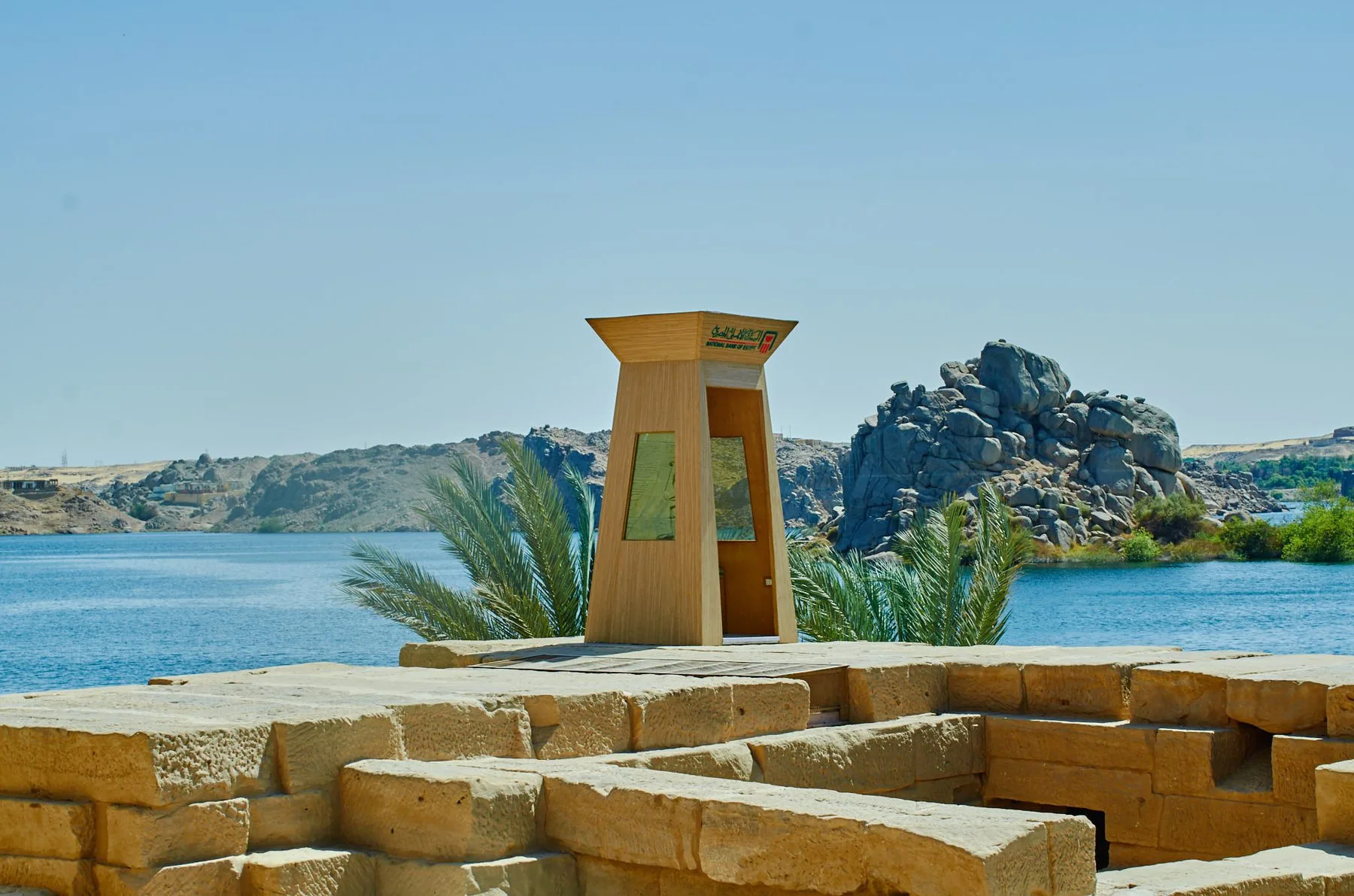
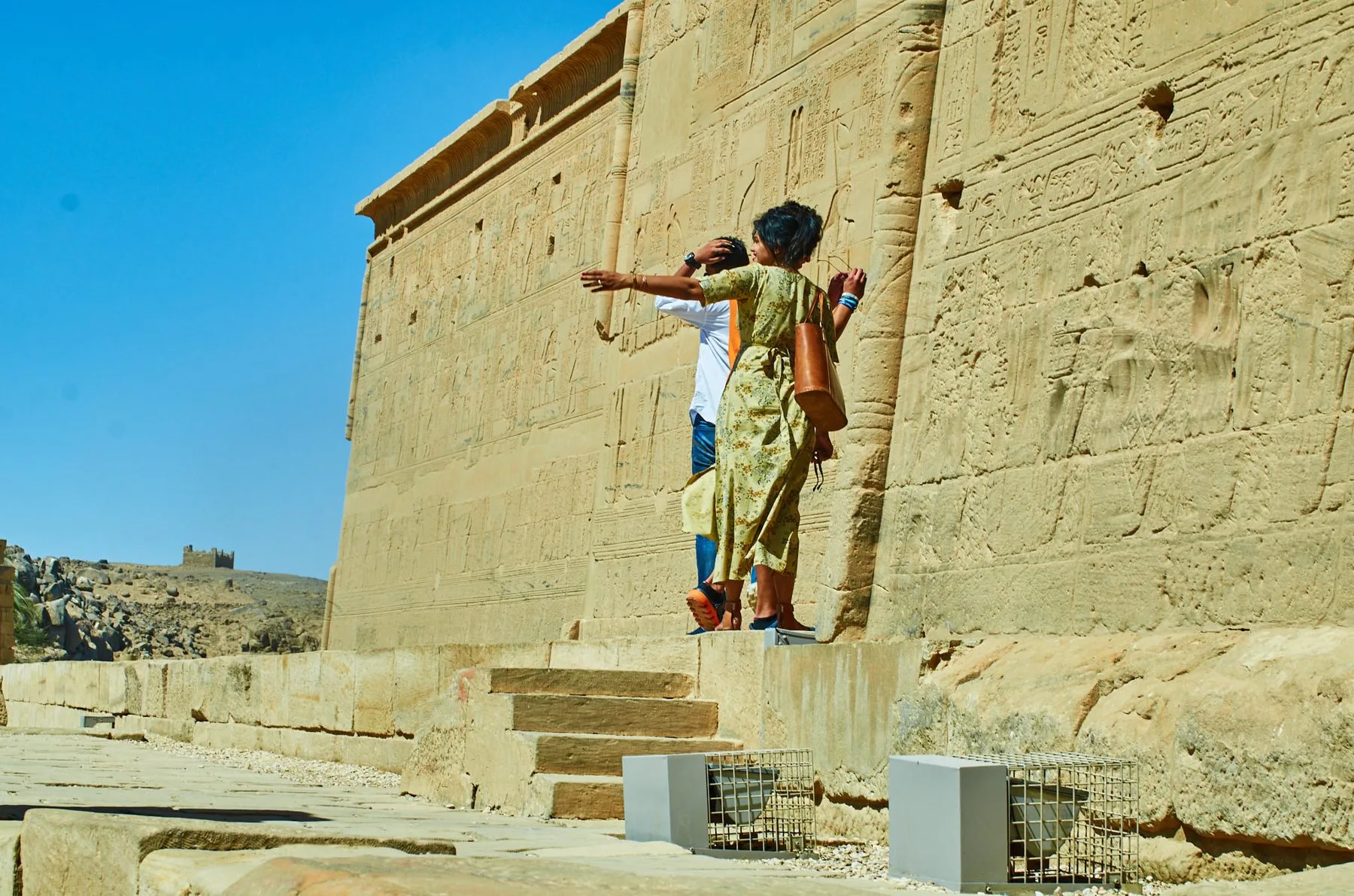
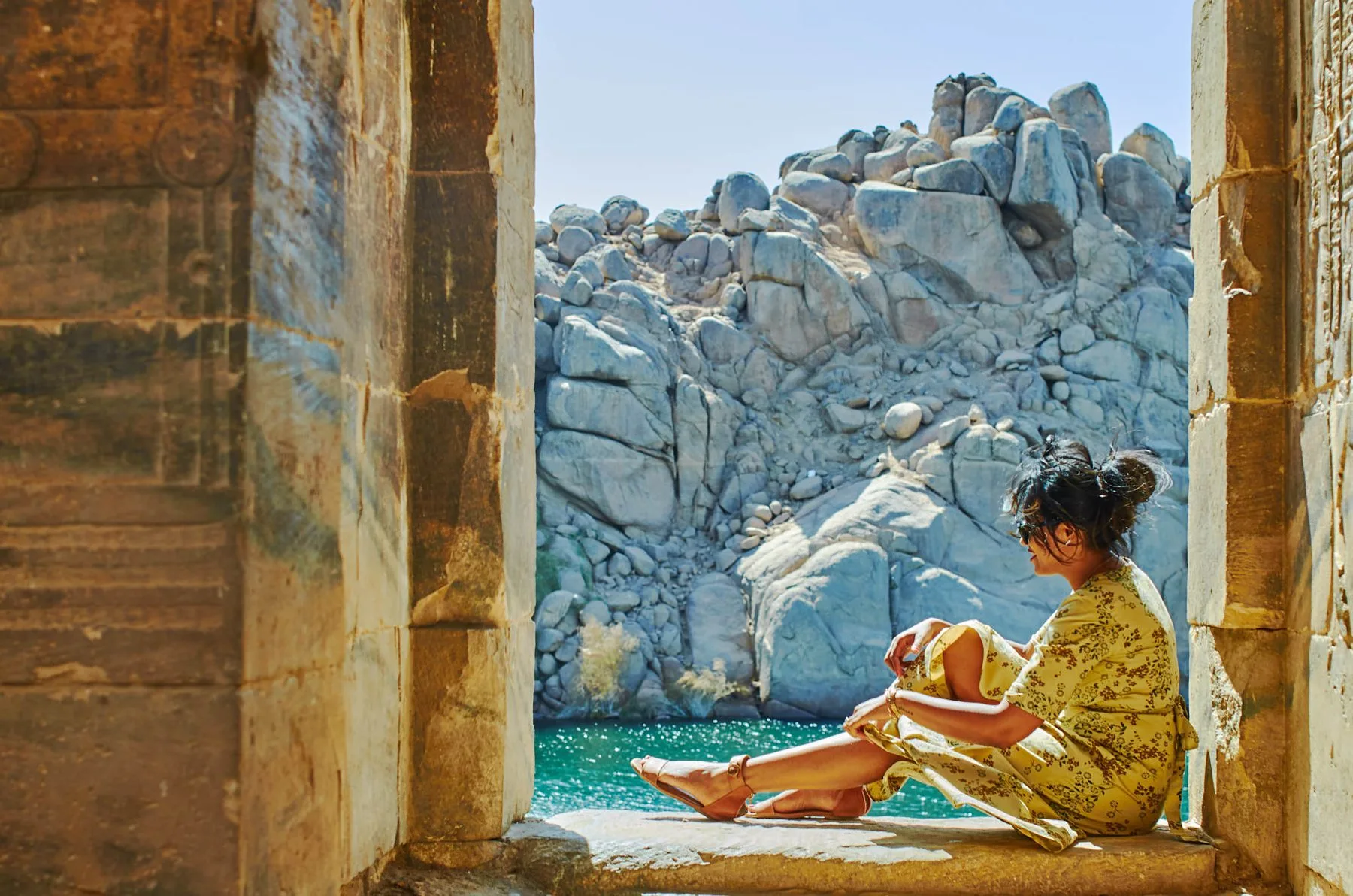
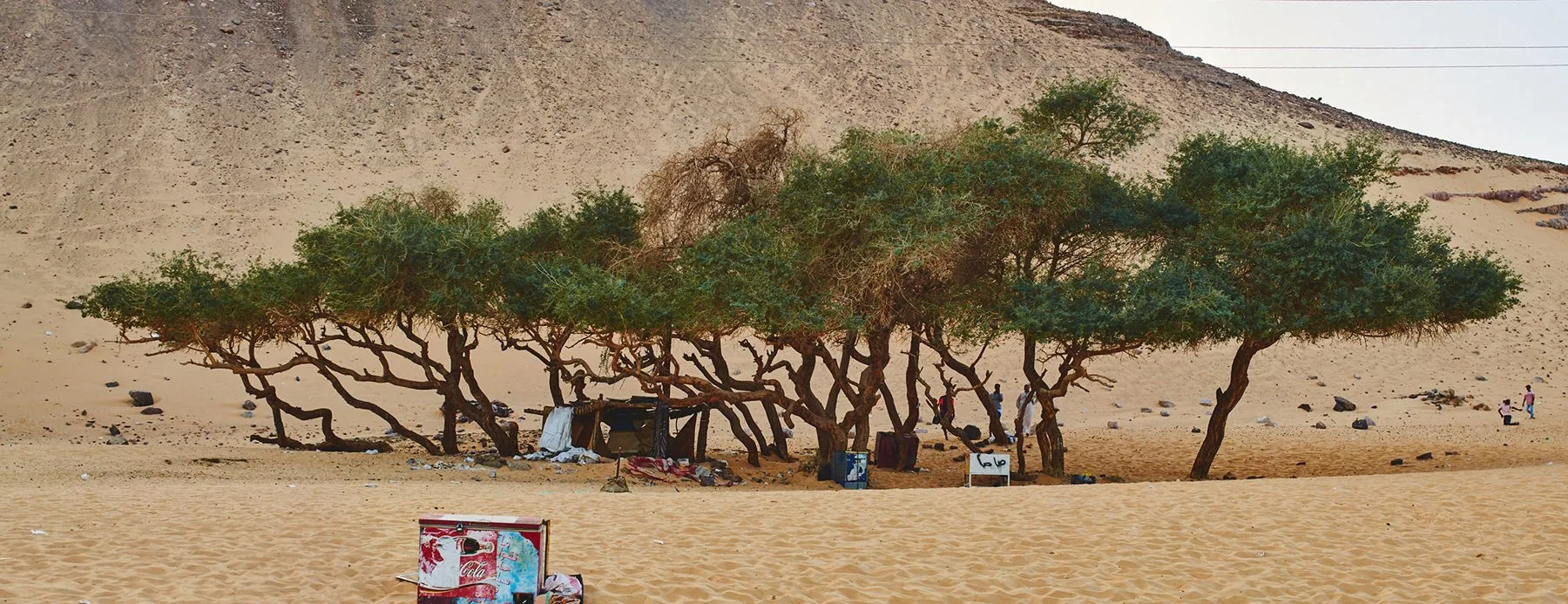
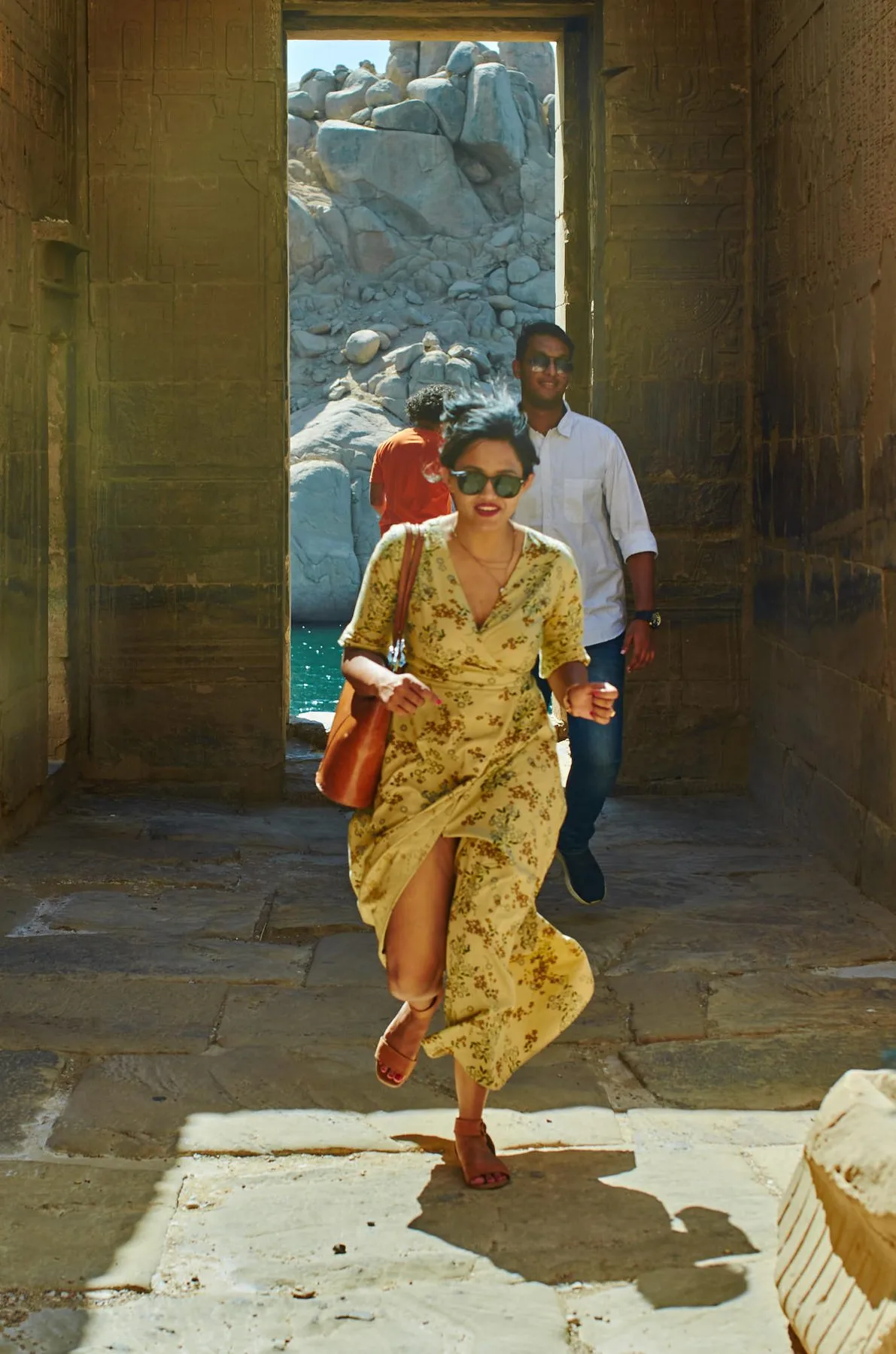
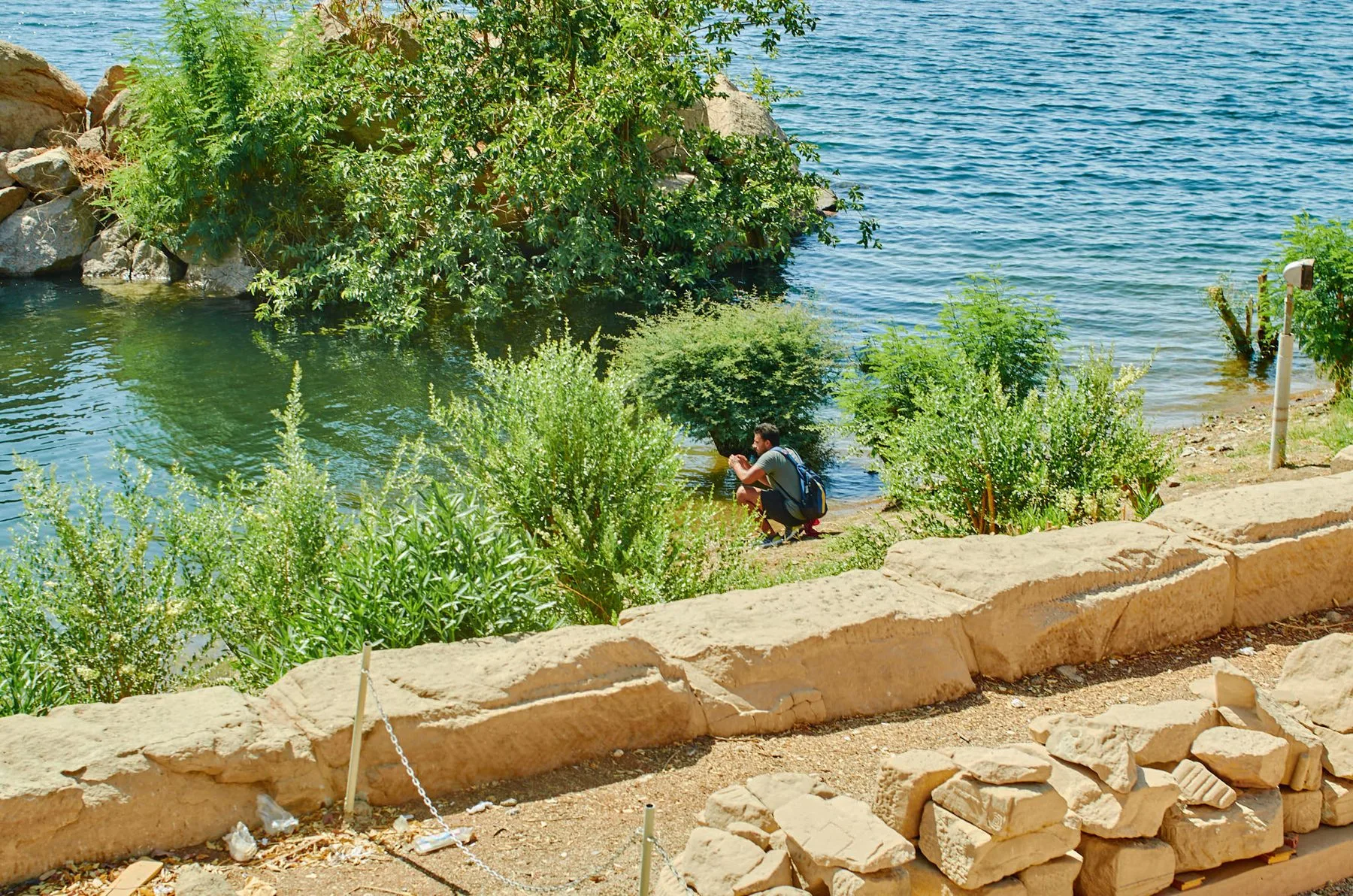
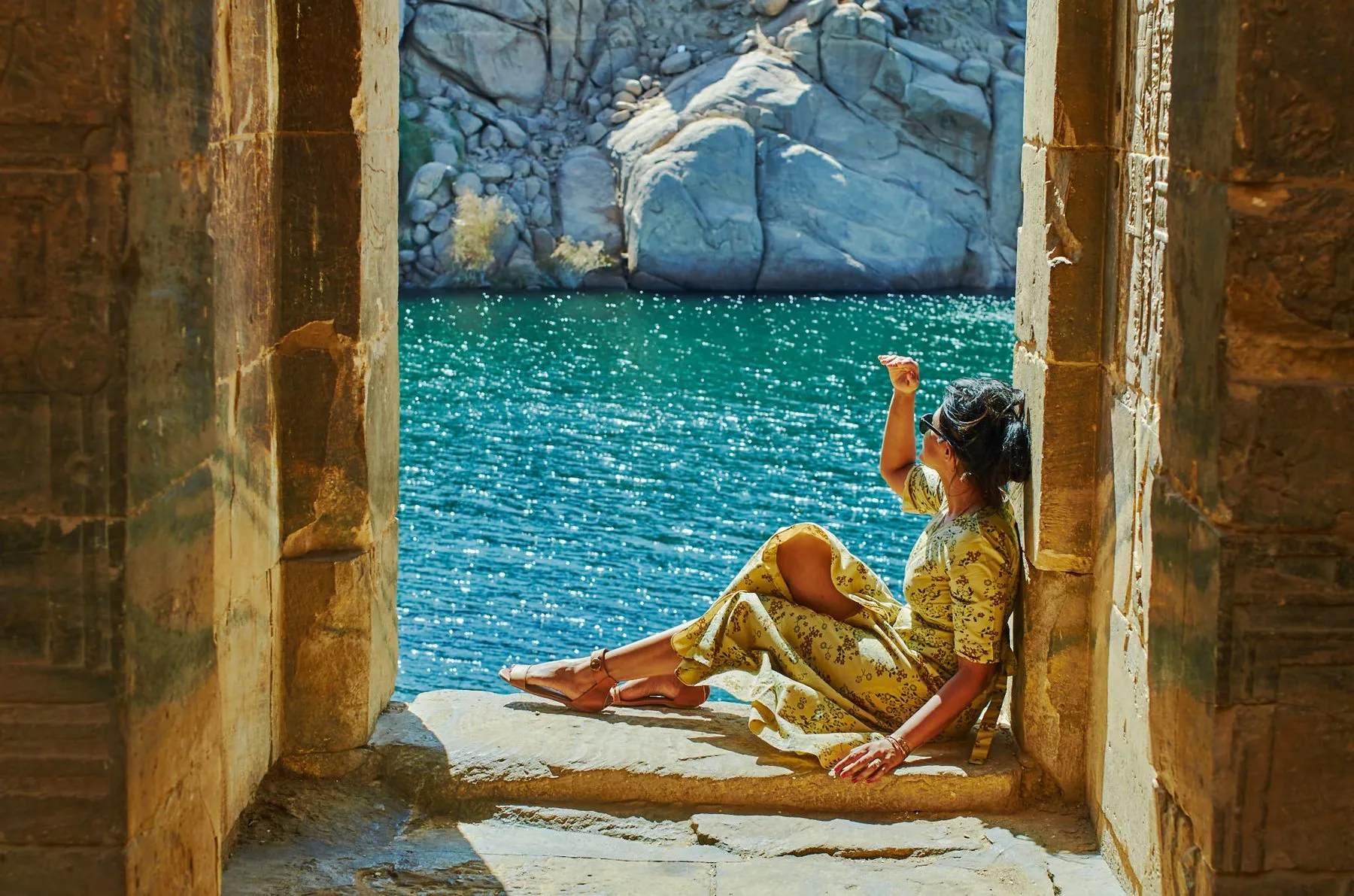
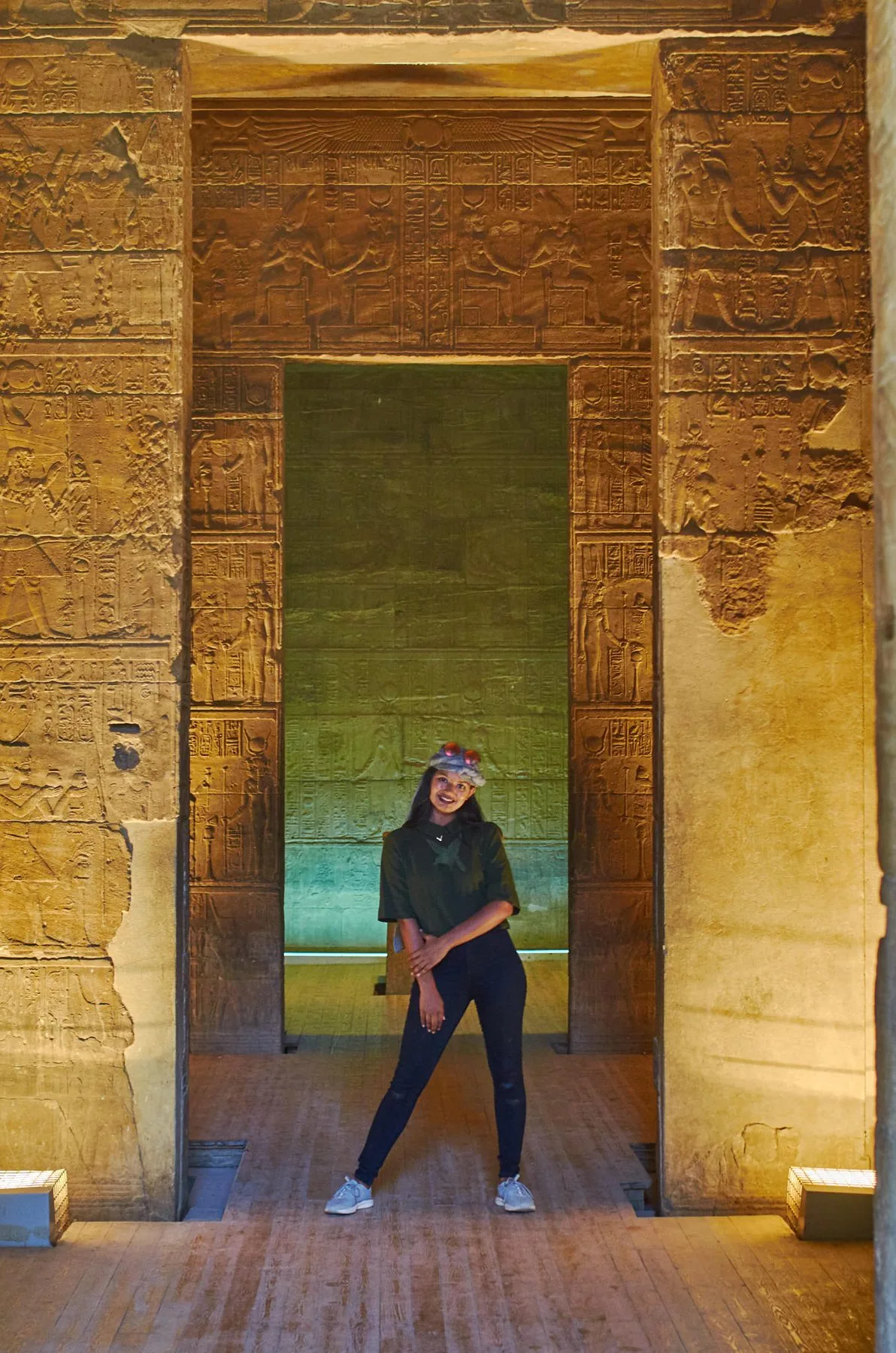
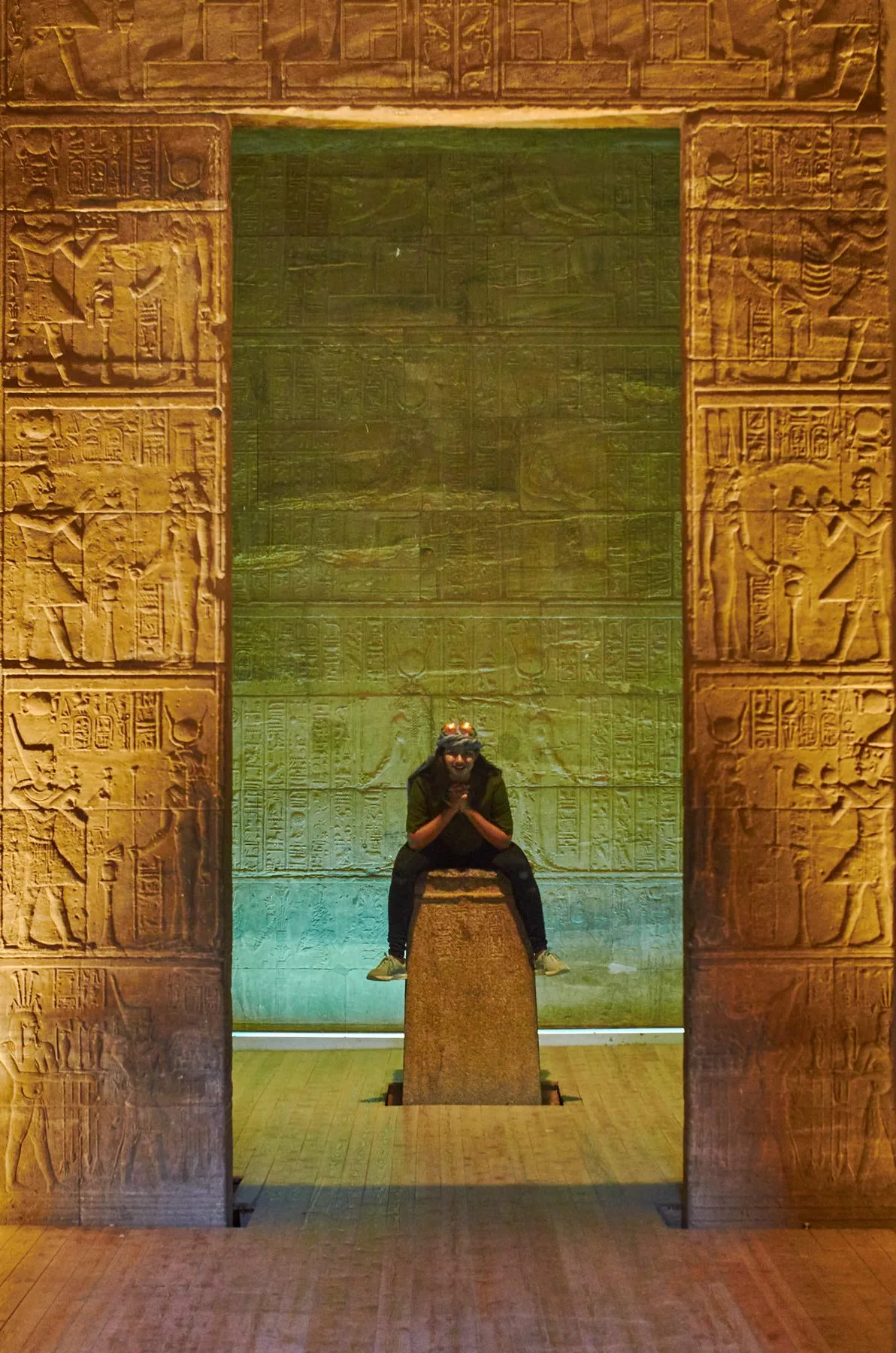
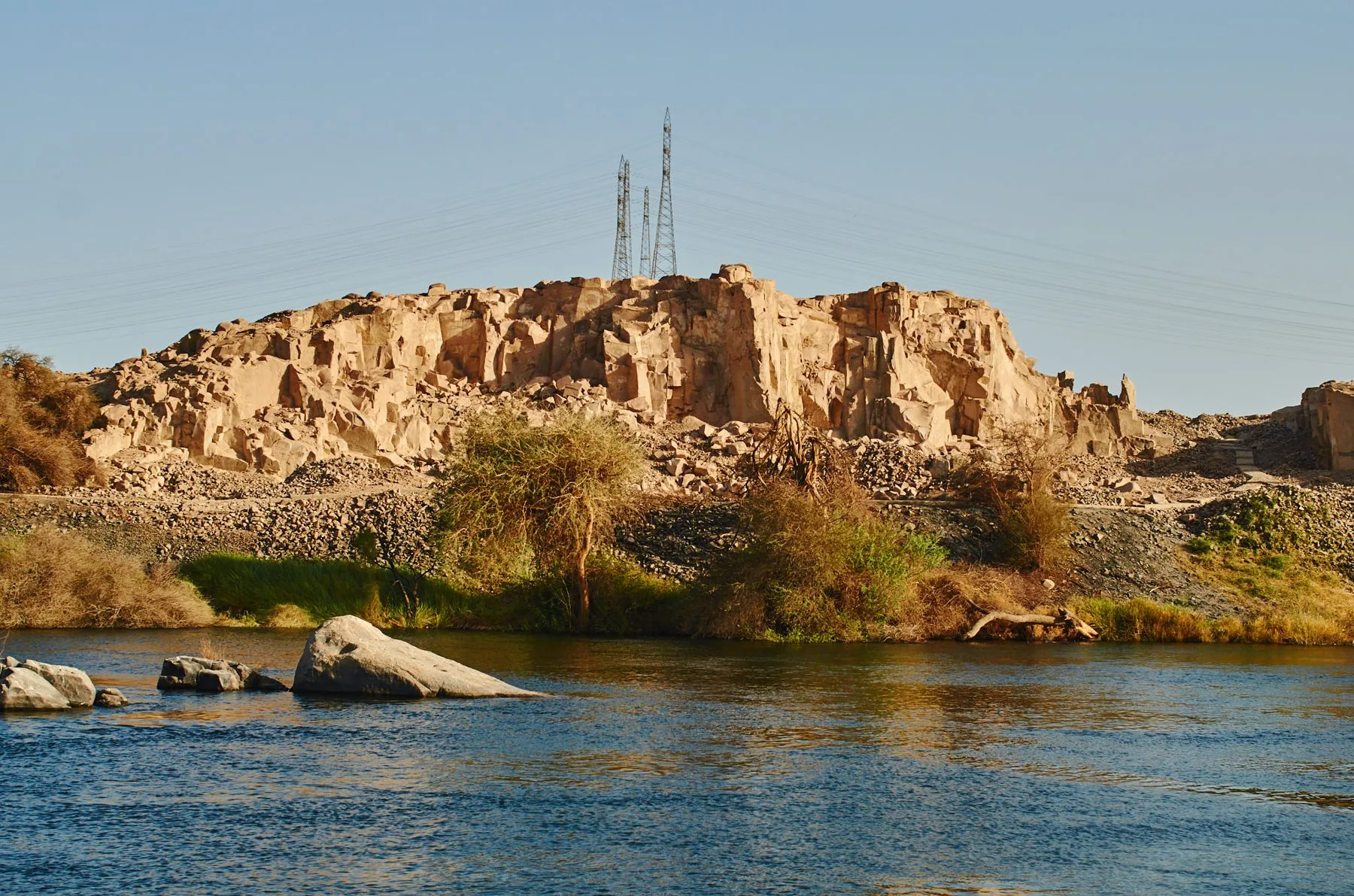
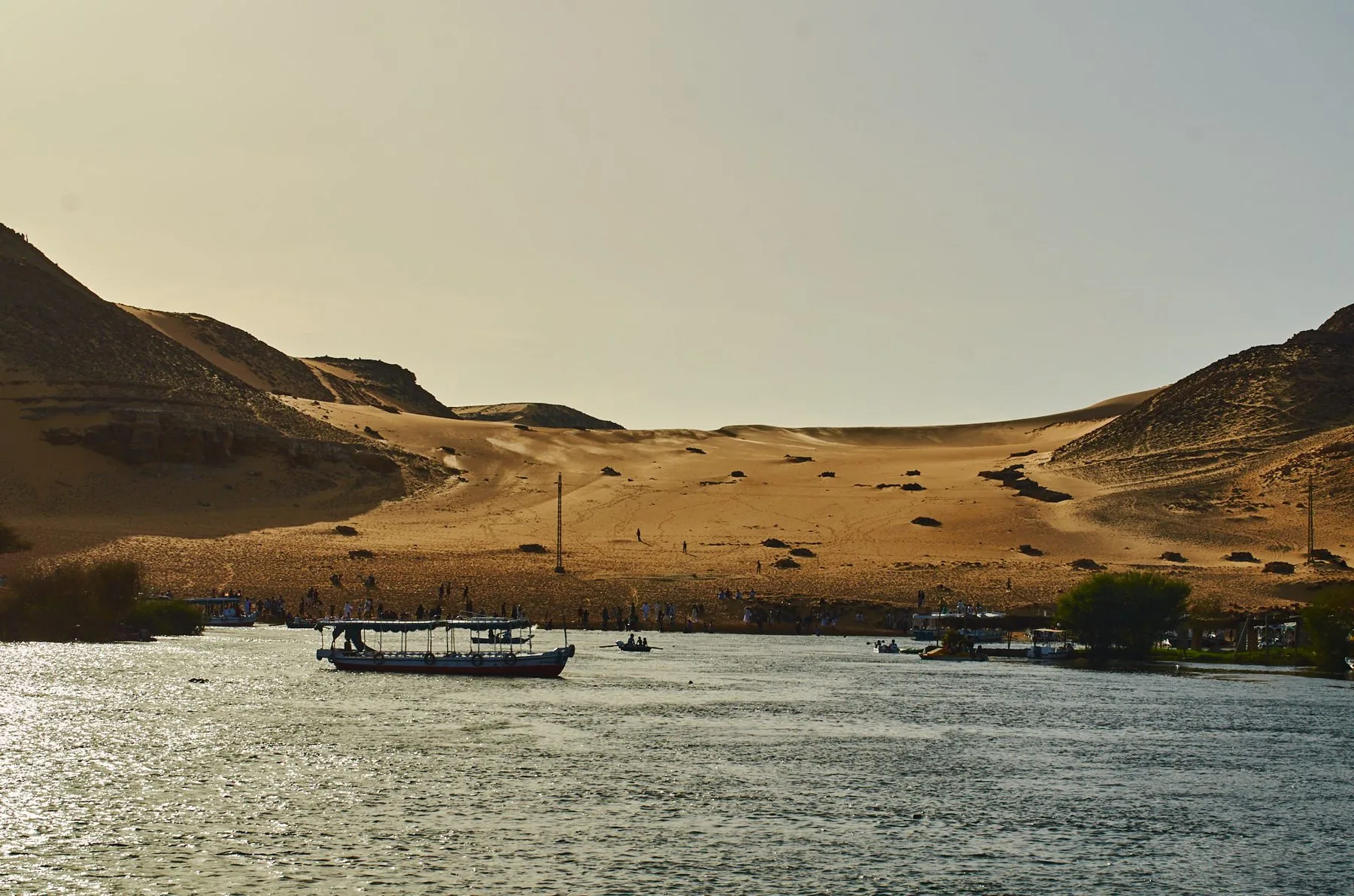
This far south the Nile slows, splits around black granite, and the desert comes right down to drink. Philae sits on its island; the dunes pour gold into blue.


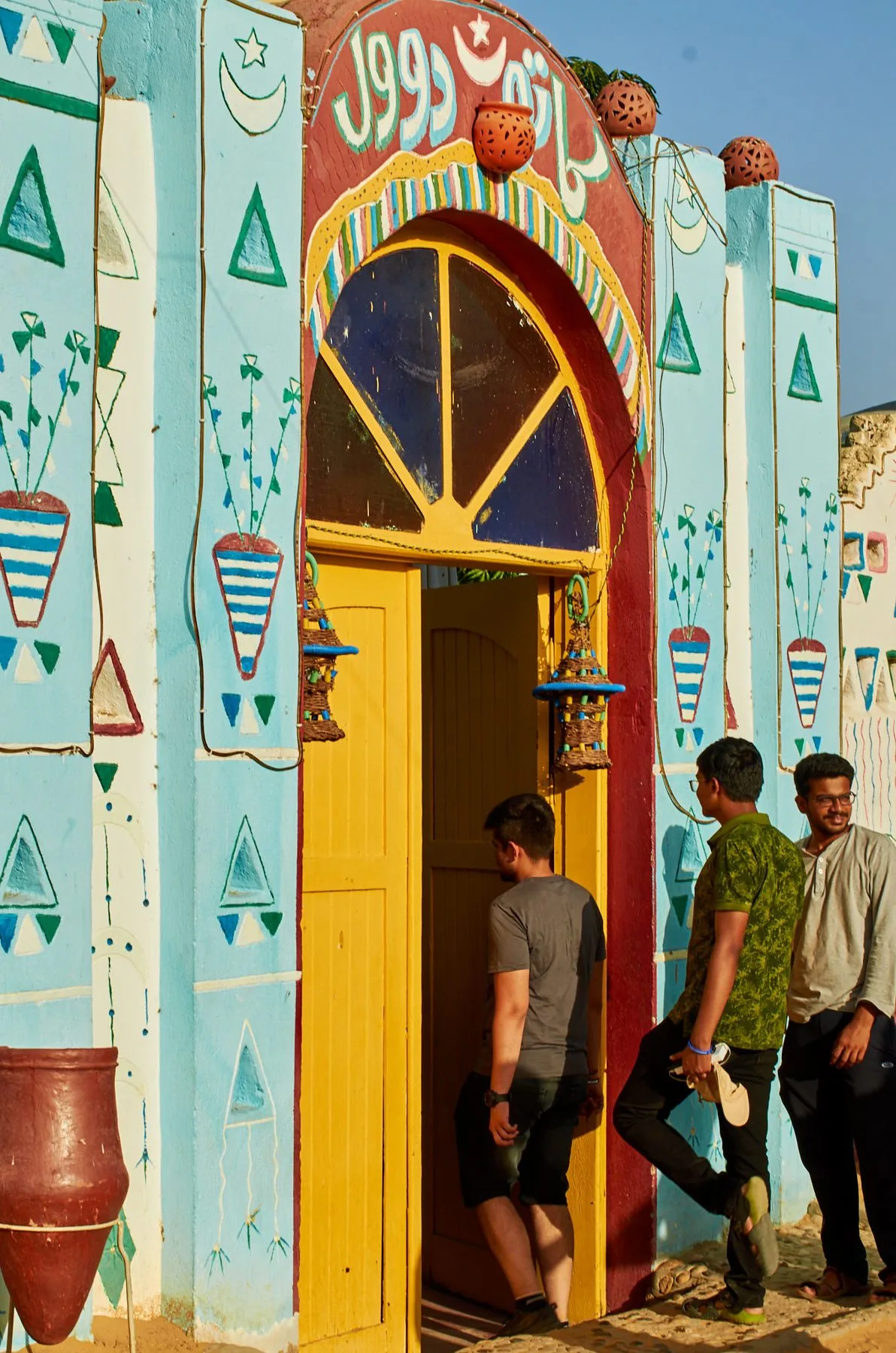
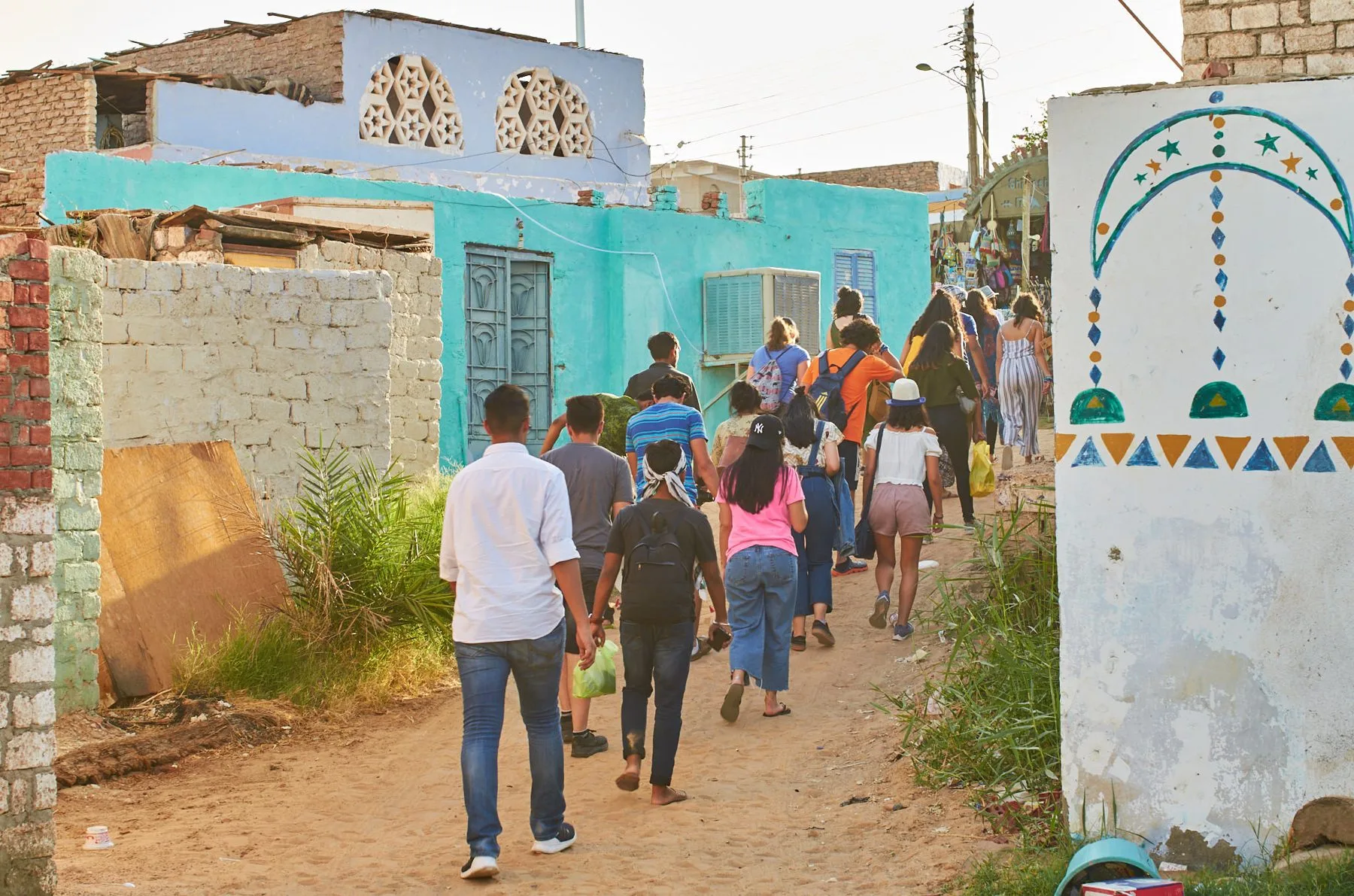
The Blue Village
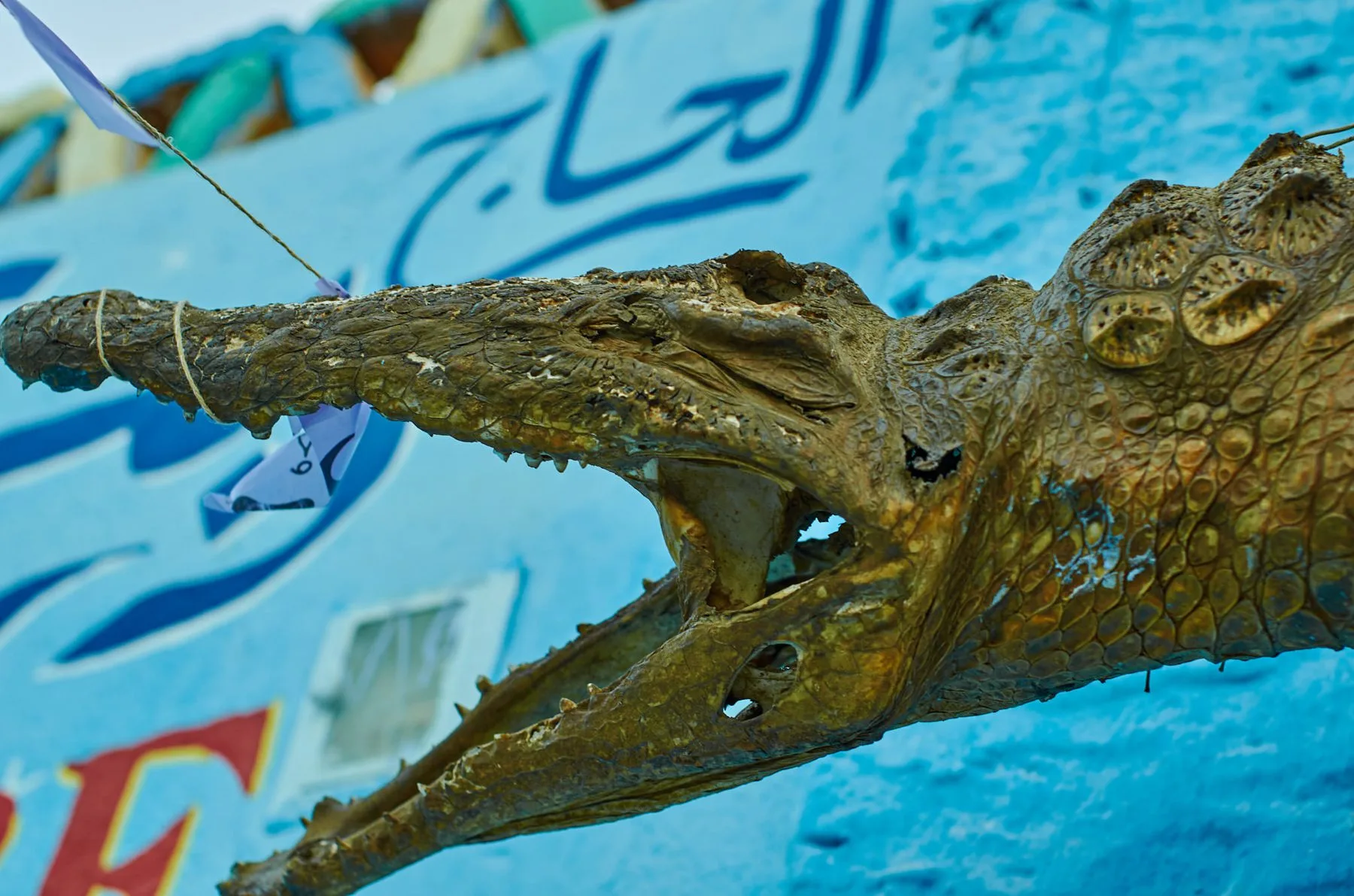
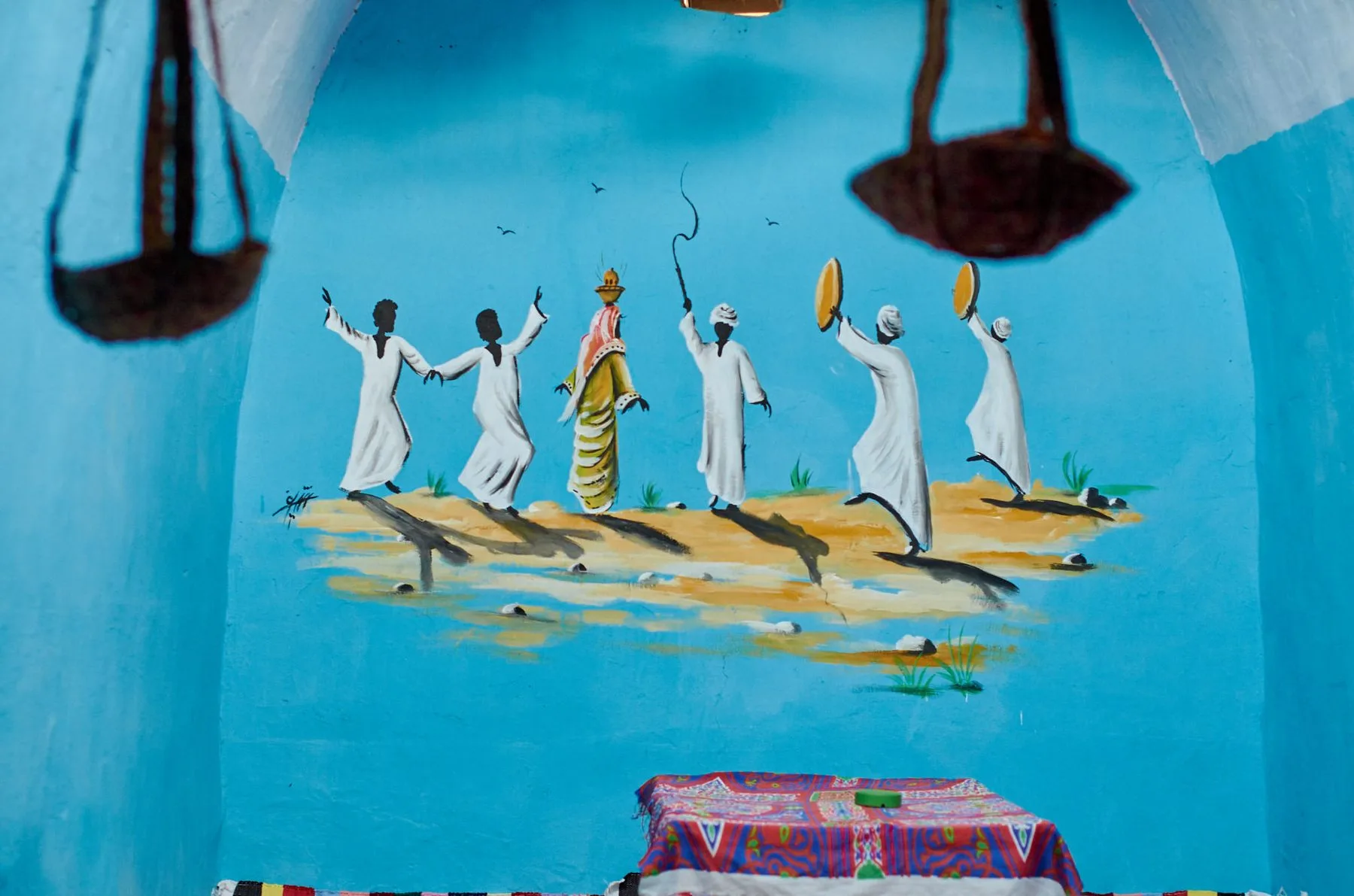
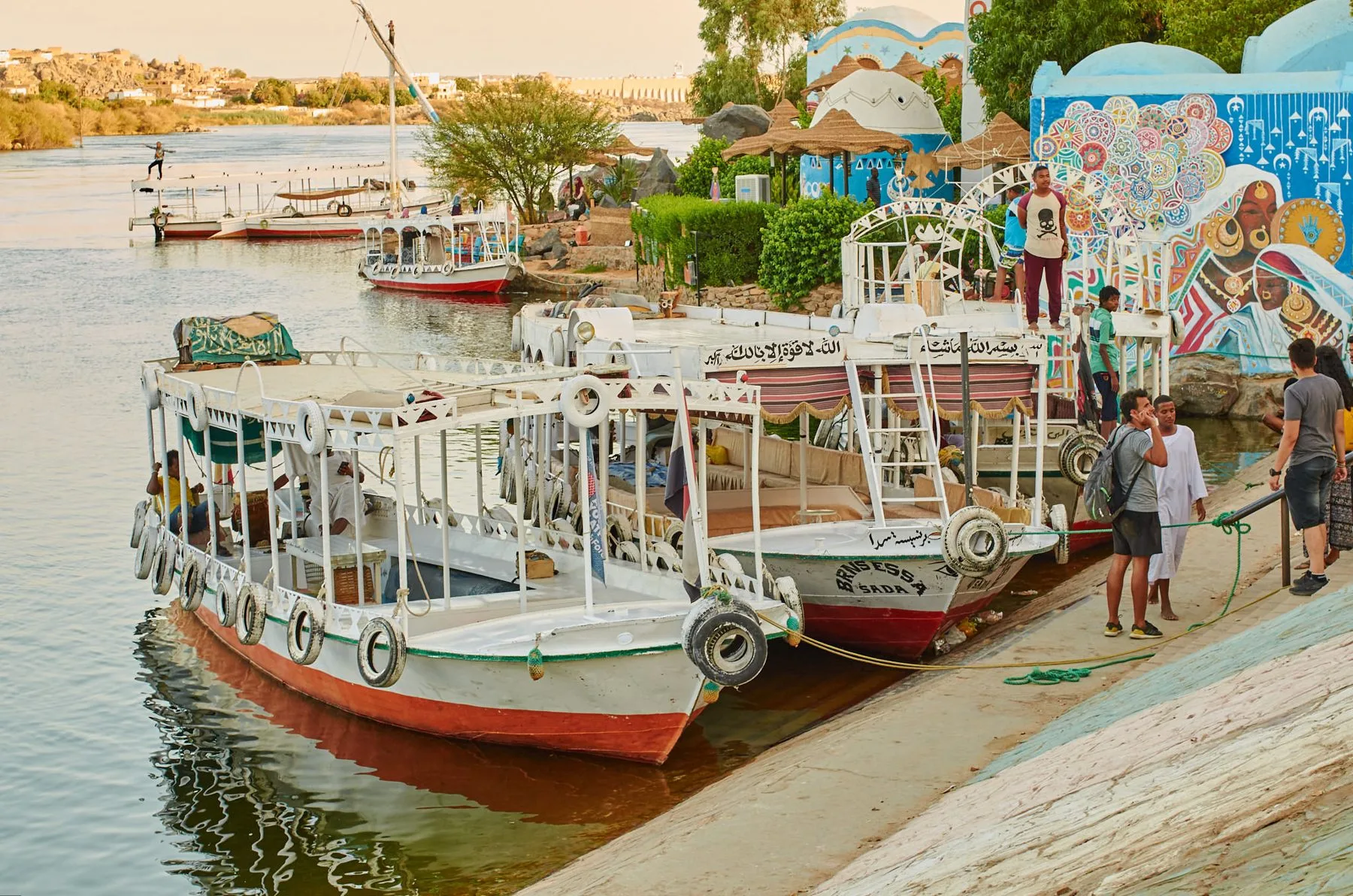
The last stop is the brightest, a village painted every colour the desert is not, hibiscus tea the colour of sunset, a crocodile on the wall, and a whole people who refused to be grey.